
Influencers call policy ‘futile’, say social media posts create ‘manufactured’ images of wealth
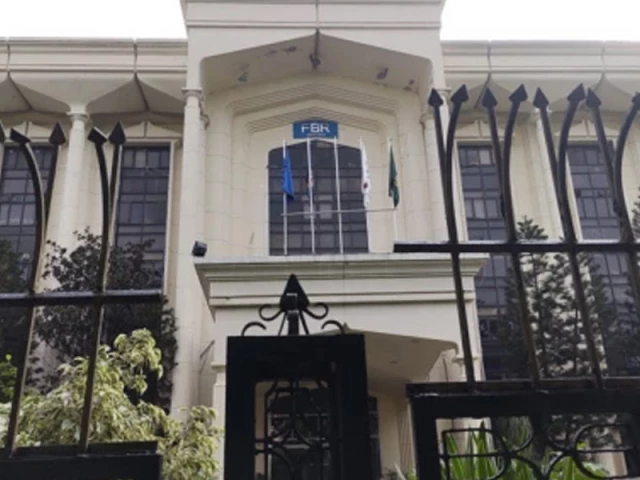
The decision of the Federal Board of Revenue (FBR) to track down potential tax evaders through social media has drawn widespread criticism from business and social circles. The tax authority has reportedly collected the data of thousands of users and issued notices to those flagged for “unexplained wealth”, sparking outrage from traders, financial experts and online influencers who call the move invasive and ill-advised.
FBR officials say the measure is part of an established “lifestyle-based” assessment method, in which visible assets and spending habits are examined to assess undeclared income. However, critics say surveillance blurs ethical boundaries, violates privacy and unfairly targets middle-income earners and small business owners.
Using the data collected, FBR surveyed private hospitals, gyms, clubs and real estate companies.
“The FBR is not doing its real job, which is to address the economic situation by reporting real cases of tax evasion and corruption,” said Ajmal Baloch, president of All Pakistan Trade Unions. He assured that the rights of jewelers will be protected.
Sardar Tahir, president of the Islamic Chamber of Commerce and Economy, responded with a call for peace. “If there are plans to increase the tax base, it will be done in coordination with jewelers and traders,” he said.
Baloch explained that FBR insists on disclosing all transactions carried out by jewelers, which upsets customers who prefer to keep their purchases private. People often don’t reveal their purchases to family members or have valuable family heirlooms that they don’t want included in official records. This makes jewelers unable to explain their income.
Haji Rasheed Ray, president of the Punjab Gem Dealers and Jewelers Association, warned that the FBR’s social media monitoring policy could harm jewelry sales. Customers may be hesitant to purchase items that they can no longer present online without risking a tax audit.
At Sarafa Bazaar in Rawalpindi, veteran gold trader Haji Asghar said a protest was held last month on Murree Road against FBR taxes.
Ray offered an alternative, suggesting the government register all gold and silver bullion manufacturers with the PSQCA and introduce a fixed tax system based on the weight of the bars, ranging from Rs 2,000 to Rs 10,000 per piece. It recommended QR coded bars linked to buyers’ CNICs for digital traceability.
“Collecting taxes through threats is ineffective, but unfortunately, this has always been the modus operandi of the FBR,” said Atiq Mir, president of the Karachi Tajir Ittehad. People are more willing to pay taxes when they are offered incentives. Pakistan relies heavily on indirect taxes, which burden the general population.
Mir criticized FBR for threatening taxpayers by closing down businesses or seizing bank accounts. He advocated for a redesigned tax policy that takes into account the realities on the ground and involves traders, businessmen and industrial associations.
Irshad Ahmed, financial auditor, said the FBR’s decision was unjustified. “In financial investigations, confidentiality issues only arise when allegations exist, but here people are being investigated without any charges. »
TikTok influencer Maha Shaikh called the policy futile, saying social media projects a fabricated image. Instagram influencer Saman Ali Khan agrees, pointing out that people often exaggerate their lifestyle or post outdated content that doesn’t reflect their actual income.
Supporting this view, Baloch said that most of the jewelry on display in stores is artificial, calling FBR’s assumptions “absurd” and condemning the move as targeting the working and middle classes. Tax expert Zeeshan Merchant has argued that social media cannot provide definitive proof of wealth. “The court requires accurate and verifiable information, not guesswork,” he said. He pointed to selective flaunting, in which some individuals may not share their wealth publicly, while others flaunt it.
Speaking to The Express PK Press Club, Dr Najeeb Ahmad, spokesperson of the FBR, explained that lifestyle-based taxation is an old concept. FBR assesses an individual’s lifestyle through social media or offline activities to determine tax liability.
Tax authorities confront individuals about their lifestyle, which may include luxury goods such as high-end cars or large mansions, asking them to explain how they can afford them based on their tax returns. If the explanation is satisfactory, the case is closed. Otherwise, they can impose taxes accordingly.


