
Hello, Asia. Here’s what’s making news on the markets:
Welcome to Asia Morning Briefing, a daily summary of the top news stories during U.S. business hours and insight into market movements and analysis. For a detailed overview of US markets, see Crypto Daybook Americas from CoinDesk.
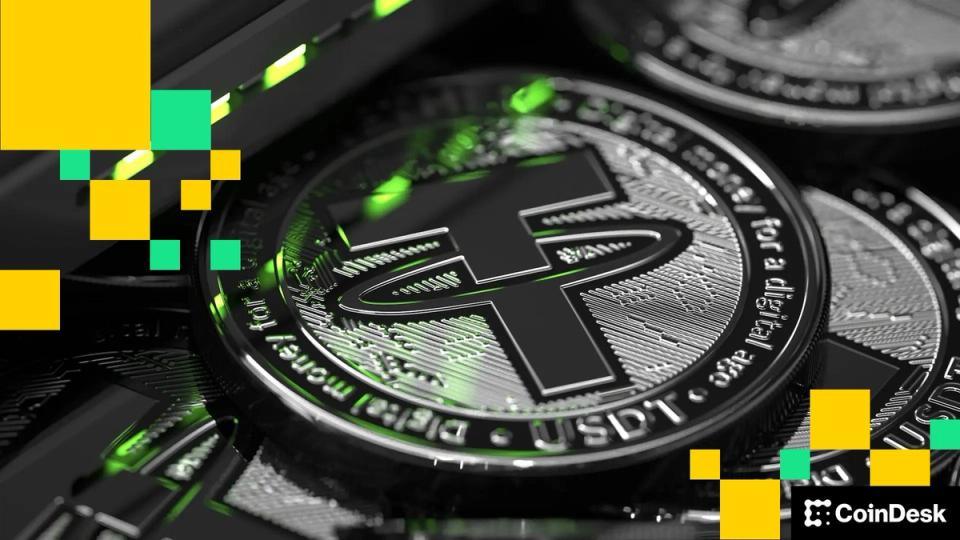
Tether is back in the spotlight as traders revisit a familiar question: Is the world’s largest stablecoin as strong as its balance sheet suggests?
This is not a new debate. Real Tether people, generally anti-crypto, were concocting conspiracy theories about the health of USDT and how it was being used to inflate the crypto market. Bitcoin, they would say, is about to go to zero while Tether is about to collapse.
However, the debate has resumed once again and is now more serious, coming from real market participants rather than hyperbolic critics.
This disagreement highlights a real divide on how to assess Tether’s strength.
Arthur Hayes, the founder of BitMEX, says Tether’s growing exposure to bitcoin and gold leaves it vulnerable if those assets decline, eroding its stated capital cushion.
Loading…
However, Joseph Ayoub, former head of cryptocurrency research at Citi, pushed back, saying Hayes was working from an incomplete picture because Tether’s disclosed reserves did not reflect the company’s entire balance sheet.
Loading…
Broadly speaking, Ayoub explained, Tether holds stocks, mining operations, corporate reserves and one of the largest cash-generating treasury portfolios in the world, giving it significant capacity to absorb losses.
Perhaps the most important concern is not solvency but immediacy.
Tether holds very little liquidity and relies on limited banking rails, raising potential questions about how quickly its largely non-cash reserves could be mobilized in an extreme buyback scenario.
Most of Tether’s reserves are in short-term treasuries, repos, money market funds, gold, and bitcoin. These are valuable assets, but they are not cash and cannot all be converted at the same rate, especially if multiple markets are under stress at the same time.
Everything works fine as long as redemptions remain small, which has always been the case with USDT as most users recycle it on crypto trading platforms rather than converting it back to fiat.
The open question is what will happen if this model breaks. A significant shock to Asian trading hubs or a regulatory event affecting offshore markets could trigger a wave of redemptions that would test Tether’s ability to unwind its positions and move dollars through its banking partners.
One of USDT’s record stress tests came in 2022, when it processed over two billion dollars in redemptions in a single day while continuing to honor verified customer requests at par.
Tether highlighted that, even during periods of high volatility, it has never failed to respond to redemptions from eligible users, presenting this as proof that its asset base can be mobilized quickly when needed.
This episode shows that Tether can handle significant outflows, but it does not determine how the system would perform in a longer, more chaotic buyback cycle.
Tether, for its part, rejects any criticism, saying negative assessments of its balance sheet don’t tell the whole picture.
What makes this year’s debate valuable is that it goes beyond the familiar noise. The arguments come from traders, analysts and builders who rely on USDT daily and evaluate its strengths and weaknesses with clear eyes.
It’s not about hidden conspiracies or impending collapse, just adult discussion about balance sheets, liquidity and market plumbing. As USDT becomes increasingly central to Asia’s trade flows, this may be exactly the kind of scrutiny the market needs.
Market movement
BTC: Bitcoin is trading around $86,436 after briefly falling as low as $84,000 during the US session as rate hike signals from the Bank of Japan put pressure on risk assets.
ETFs: Ether is hovering around $2,794 and remains under sustained selling pressure as Treasury-linked ETH plays slipped more than 10% during Monday’s crypto-stock selloff.
Gold: Gold opened at $4,218.50, briefly approached $4,300 and climbed as investors de-risked falling cryptocurrency and stock futures, while markets priced in an 87.6% chance of a Fed rate cut next week.
Nikkei 225: Japan’s Nikkei 225 index rose 0.54%, with the financials, energy and basic materials sectors leading gains and industrial names like Fanuc and NGK Insulators jumping despite JGB yields hitting multi-decade highs.
Elsewhere in crypto
- Vitalik Buterin: The “dark hand” of token voting could erode Zcash privacy (decrypt)
- JPMorgan and Strike CEO Jack Mallers Keep Silent and Leave “Debanking” Questions Unanswered (CoinDesk)
- Trump Media and Crypto.com’s $6 Billion Cronos Treasury Move Closer to Public Debut (Decrypt)


