
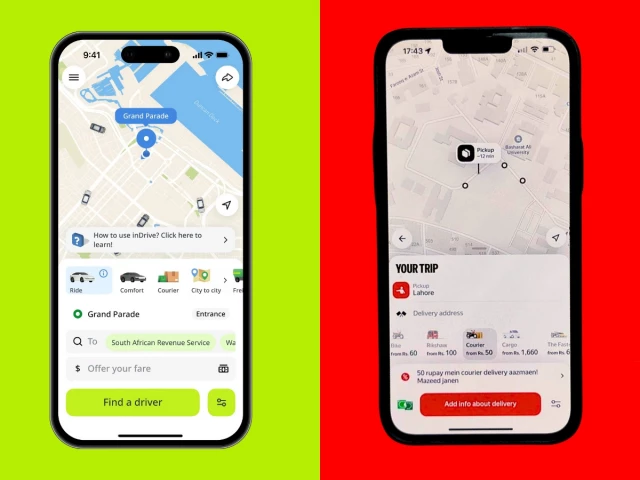
Federal Ombudsman demands proof of safety, anti-harassment protocols and compliance with workplace harassment law
Yango Pakistan and InDrive Pakistan, two of the largest ride-hailing service companies operating in the country, have been tasked with proving their compliance with the Workplace Act 2010 after several complaints of sexual harassment were filed against their drivers.
Complainants before the Federal Secretariat of the Ombudsman for Protection against Harassment detailed unwanted sexual advances, verbal harassment, inappropriate behavior and frequent diversions from designated routes.
The Ombudsman requested evidence from Yango Pakistan and InDrive of compliance with the Protection from Harassment of Women at the Workplace Act 2010, including:
- Evidence of a legally mandated commission of inquiry (section 3 of the law)
- Proof of display and dissemination of the official code of conduct (article 11)
- Detailed internal protocols for handling harassment complaints
- All passenger safety systems, such as driver verification, route monitoring, in-app safety tools and staff training mechanisms
- A complete file of all harassment-related complaints from the last three years.
Read: Ride-hailing companies consider exclusive SOPs
A spokesperson for FOSPAH declared The Express PK Press Club that rideshare companies “bear a high responsibility to ensure safe, dignified and respectful travel environments, especially for the women who rely on these services every day.”
In response to the notice, Yango’s spokesperson said The Express PK Press Club that the company maintains a “zero tolerance policy” when it comes to customer safety.
He insisted that the app offers 24/7 customer service and that internal security teams follow strict protocols to investigate such complaints. “[It] is generally [within] It’s only a matter of hours that we receive the first information.”
The company then “permanently” bans the driver and vehicle to prevent them from working on the platform again, the spokesperson said, adding that passengers are also guided on how they can take legal action.
Learn more: Carpool promises have ended
Additionally, Yango requires drivers to complete a verification process, which involves proof of driver’s license, vehicle documents and personal information. Regular “selfie verification” checks are also carried out, the spokesperson added.
InDrive representatives shared similar policies when contacted by The Express PK Press Club for comment. They claimed they were “suspending” the accused driver’s account while they investigated the matter. If found guilty, the driver is simply expelled from the platform.
InDrive further ensures that every journey is tracked via GPS and the app automatically detects unusual journey patterns or diversions from designated routes. Additionally, passengers can share their travel details live with up to five trusted contacts in the app, the spokesperson said.
Both rideshare companies claimed they provide immediate emergency assistance 24 hours a day.


