
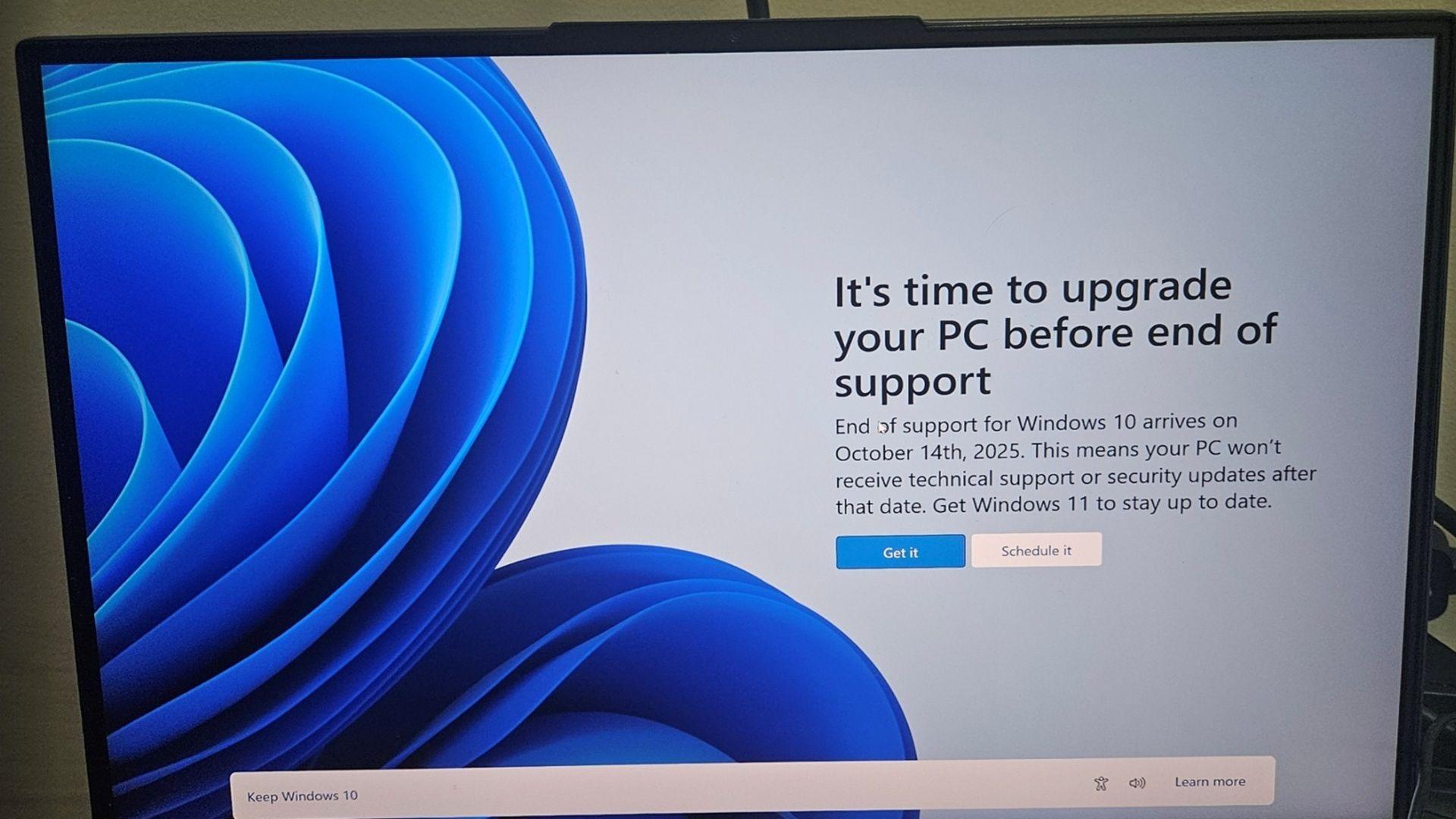
- Windows 10 still powers two out of five active desktops worldwide
- Businesses delay upgrades with paid security extensions for critical systems
- Consumers keep their old PCs active for light tasks and backups
Despite the end of free support for many versions of Windows 10, usage data still shows a slow transition to Windows 11.
Statcounter’s numbers for November 2025 put Windows 11 at 53.7% of active Windows desktops, while Windows 10 still holds 42.7%.
The data reflects both consumer and business devices and only samples a limited number of websites, which already limits the reliability of interpreting adoption trends.
Upgrades to Windows 11 seem very slow
Even with this limitation, Windows 10’s persistence seems hard to ignore, and the gap between the two systems is closing much more slowly than many hardware vendors hoped.
Enterprise environments continue to demonstrate a more cautious approach to large-scale operating system changes.
Many companies still running Windows 10 now rely on Extended Security Updates as a structured delay mechanism rather than a permanent safe haven.
Analysts describe this approach as strategic, covering critical systems related to legacy applications and specialized equipment without current Windows 11 driver support.
In many organizations, funding for large-scale computer replacement remains unallocated across large swaths of active device fleets.
The cost of migration goes beyond licensing and hardware and includes compatibility testing, deployment planning, retraining, and interrupted workflows associated with desktop software transitions.
One of the major hurdles for Windows 11 is the lack of features that force an immediate change in business purchasing behavior.
Aside from the expiration of free support, there have been few clear incentives to interrupt normal device replacement timelines.
Hardware vendors are reporting upgrade activity well behind previous operating system transitions.
Dell executives have publicly confirmed that Windows 11 adoption lags previous upgrade cycles by double-digit margins at similar points after prior support delays.
In an uncertain economic climate, businesses appear reluctant to absorb large, unplanned refresh programs closely tied to operating system deadlines.
Consumer usage data further complicates overall adoption metrics.
Many Windows 11 device buyers continue to use older Windows 10 machines as secondary computers for limited tasks.
These persistent systems continue to generate traffic that feeds public usage statistics.
In parts of Europe, consumers also continue to receive security updates without direct payment, further reducing the urgency of replacing working hardware.
Familiar workflows and attachment to existing productivity tools reinforce this lag among non-business users.
Available data suggests that Windows 11 growth reflects net additions rather than true replacements.
On paper, Windows 10 appears to be slowly declining, as data shows limited operational advantage in Windows 11.
Via The register
Follow TechRadar on Google News And add us as your favorite source to get our news, reviews and expert opinions in your feeds. Make sure to click the Follow button!
And of course you can too follow TechRadar on TikTok for news, reviews, unboxings in video form and receive regular updates from us on WhatsApp Also.


