
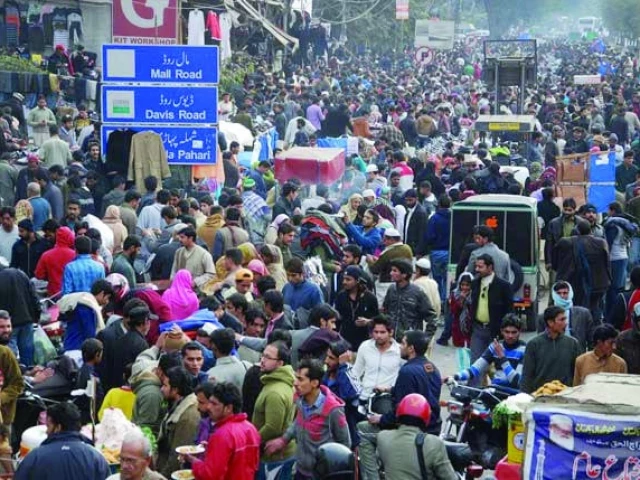
Pakistan’s demographic trajectory presents a formidable double bind: while key indicators such as fertility and growth rates are declining, the number of citizens continues to rise, placing immense and growing pressure on the country’s infrastructure.
Pakistan’s population has now surpassed 257 million, according to new figures released by the U.S. Census Bureau, cementing its status among the world’s most populous countries even as the country undergoes a difficult demographic transition.
The data highlights a critical phase. The annual population growth rate slowed to 1.82% and the fertility rate fell to 3.25 births per woman. Yet with fertility still well above the replacement level of 2.1, absolute growth is stalled for a generation.
Economists warn that the youth-heavy demographic structure will create increasing pressure on education, housing, transportation and, most importantly, employment during the 2030s and 2040s. Without accelerated job creation and sustained economic growth, they warn, this “youth bulge” could transform from a potential dividend into a source of long-term instability.
Beyond the figures, the report highlights persistent development deficits. A life expectancy of just 60.5 years and an under-five mortality rate of nearly 65 deaths per 1,000 live births reflect chronic weaknesses in maternal health, nutrition and primary health care.
With a population density of 333 people per square kilometer, the pressure on land and public services is acute. Urban centers, where informal settlements are growing and transport networks are congested, are showing visible difficulties as infrastructure development lags “dangerously behind” demographic realities.
A regional comparison clarifies the picture. Neighboring India and Bangladesh have reduced fertility to near or below replacement levels, combining slowing growth with advances in health and education.
On the other hand, Afghanistan, with fertility above four births, illustrates the extent to which the conflict blocks the demographic transition. Pakistan is halfway there: progress is evident, but the pace is insufficient to alleviate short-term pressures.
Globally, population growth is slowing to historic lows, but Pakistan’s path is different. Demographers emphasize that the margin for action is narrowing. Without urgent, targeted investments in girls’ education, reproductive health and job creation, the country risks entering the second half of the century with an aging population and underdeveloped human capital – a combination that could cement prolonged economic stagnation. The demographic clock is ticking and the cost of inaction, analysts conclude, will be measured in stability and lost growth.


