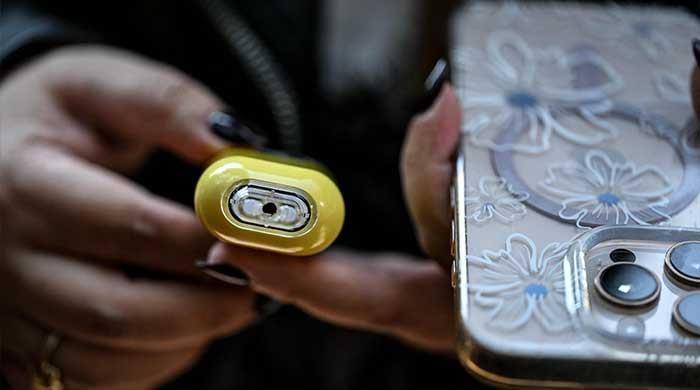
Mexico’s Senate has passed legal reforms that could impose up to eight years in prison and fines of up to 226,000 pesos ($12,500) for the production or sale of vapes and e-cigarettes, a massive intensification of coercive measures that critics say are too restrictive.
The changes to the general health law, ratified Wednesday evening by pro-government senators after obtaining authorization from the lower house on Tuesday, now await signing into law by President Claudia Sheinbaum, who supports the legislation.
“There’s this idea that not smoking tobacco or cigarettes can be replaced by vaping, and the truth is that vapes, in some cases, are even more harmful than cigarettes,” Sheinbaum said Friday. “You shouldn’t smoke cigarettes and you shouldn’t use vapes.”
Following the rise of anti-smoking measures around the world, Mexico banned smoking in most public spaces around two decades ago. In recent years, the government has focused on limiting the sale of vapes and e-cigarettes, which are also banned in Argentina and Brazil, amid growing concern about their health effects.
Mexico has not banned the actual use of vapes.
Sheinbaum said the government was working with state authorities to curb potential illegal markets for these products, highlighting concerns about the involvement of organized crime. She did not say when the new rules would take effect.
Opposition senator Luis Colosio criticized the reforms, calling them “prohibitionist.” During Thursday’s debate, he said the government was shirking its responsibility to regulate and monitor the industry by opting instead for an outright ban.
“Bans are nothing more than an easy way out of a problem they don’t want to or can’t control,” Colosio said.
Despite these measures, vapes and e-cigarettes remain readily available in Mexico City retail stores, and authorities have yet to outline plans to combat street sales.
“It would be good if they banned them because people like me keep buying them, and the truth is that they are very cheap everywhere,” a Mexico City resident identified as Valentina told the television station. Milénio TV.