
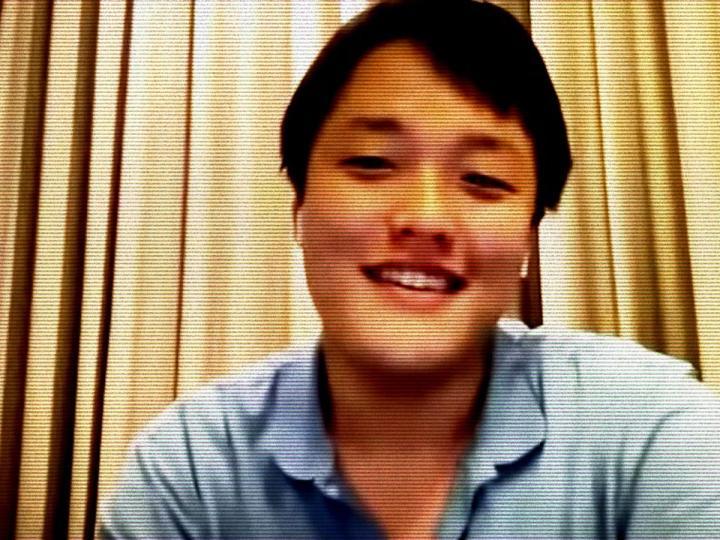
NEW YORK — Terraform Labs co-founder Do Kwon will wait a little longer than expected to find out how much time he will serve in prison for orchestrating a massive crypto fraud that wiped approximately $50 billion from the crypto ecosystem as of May 2022.
During the lengthy hearing, District Judge Paul Engelmeyer of the Southern District of New York (SDNY) spent about the first hour chastising prosecutors for dumping a mountain of victim impact statements — 315 letters — on both the court and the defense just 24 hours before the hearing began. About a half-dozen victims spoke at the sentencing hearing Thursday morning, including people speaking in person and those calling in, before the judge interrupted the hearing for a lunch break.
The judge offered Kwon and his legal team the option to delay sentencing for up to six weeks in light of new victim impact statements. Engelmeyer, whose presence in the courtroom is usually calm and measured, was visibly exasperated by the prosecution’s late-night dumping of victim impact statements, reiterating to both sides that it was a “big deal” that such hard-hitting material was presented at the eleventh hour.
Kwon and his lawyers declined the opportunity to postpone the sentencing, telling the court that people had traveled from all over the world to attend and waiving their right to appeal the court’s sentence due to the late disclosure of victim impact statements.
Once Engelmeyer agreed to proceed with the proceedings, he took the time to chastise the government for procrastinating in collecting victim impact statements:
“I have to state the obvious: You have to do better,” Engelmeyer said. “In future cases, you will have to notify the victims much earlier… it is simply not acceptable to file 315 letters in court… it is simply disrespectful to the defense and, more importantly, it is not completely respectful to the victims.”
Excerpts from these victims’ statements featured heavily in the prosecution’s speech in court, as they detailed the financial and personal hardships caused by the implosion of the Terra/LUNA ecosystem in 2022.
The victims also had the opportunity to speak for themselves during the hearing. One victim, Chauncey St. John, took the stand in person, detailing how the company’s implosion devastated his charity, Angel Protocol, and the nonprofits it served. He also told the court that his in-laws, including his wife’s parents and brother, had invested all their savings in Terra/LUNA and were now facing deferred pensions and debt.
“I have to live every day with the guilt of their losses,” St. John said. “I forgive [Do Kwon] personally, and I pray that God will have mercy on his soul.
Other victims were less forgiving.
One man, calling into court by telephone, told the judge how he had lost a friend – implied suicide – following the massive financial losses resulting from Terra’s collapse. Another details losses so great that he was forced to move back in with his parents, lost his wife to divorce and saw his sons work as auto mechanics rather than go to college to study engineering as they had initially hoped before the family’s finances were devastated by Kwon’s fraud.
“I never imagined that someone I have never met, who I have never spoken to, could destroy my life to this extent,” said the man, Ukrainian national Stanislav Trofinchuk.
A 58-year-old Russian woman told the court (through a translator in the courtroom) that she was now homeless and “wandering the streets” of Tbilsi, Georgia, after losing all her belongings in the collapse.
“The $81,000 [invested in Terra/LUNA] turned into 13 dollars that I could hold in the palm of my hand,” the woman said. “Do you understand the moral damage that has been caused to me and the state in which I find myself?”
Throughout the testimony, Kwon, who appeared gaunt, sat blank-faced and seemingly impassive.


