
Marriyum Aurangzeb meets transporter representatives as Punjab CM forms committee to resolve issues
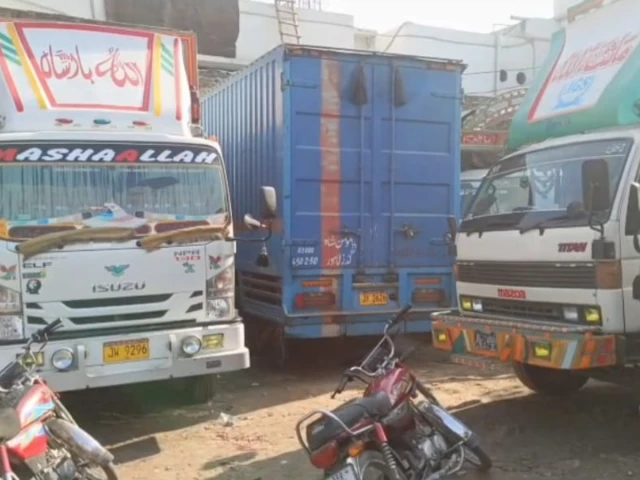
Punjab goods transporters on Friday announced the end of their five-day strike following successful negotiations with the provincial government, agreeing to resolve all outstanding issues through dialogue.
The strike, which began on December 8, was called in protest against the Punjab Traffic Ordinance, 2025, allegations of corruption by the Regional Transport Authority (RTA), unwarranted challenges, prosecutions and vehicle seizures by the traffic and highways police. The shutdown has severely disrupted the province’s supply chain, affecting the availability of goods in markets.
The transporters’ representatives met Punjab Chief Minister Marriyum Aurangzeb, who chaired the talks following the directives of Chief Minister Maryam Nawaz. The discussions concluded with a reconciliation agreement signed by Haji Sher Ali Chaudhry, central chairman of the Pakistan Goods Transport Alliance, along with other officials.
A committee, led by Marriyum and including representatives from the transport sector, was formed to address the concerns of transporters. Its first meeting is scheduled for Saturday, where discussions between the minister and the carriers will continue.
Welcoming the move, Aurangzeb said all issues would be resolved through “mutual understanding”, stressing that the government’s objective was to protect human life and improve the conditions of all citizens.
Haji Sher Ali Chaudhry expressed hope that the newly formed committee, established under the orders of the CM, would effectively resolve the problems of the transporters. “Promises made to carriers have not been kept so far, but we hope the committee will help us resolve our problems,” he said.
Other transporter representatives present included Muhammad Riaz Khan Tajik, Chaudhry Maqbool Hussain, Rana Tariq Mushtaq, Malik Ijaz, Malik Maroof, Saif Shah Deen Gujar, Faisal Basheer Bhatti, Malik Javed and Haji Pervez Awan.
Business community warns of supply chain crisis
Earlier Friday, business groups expressed concern about the economic consequences of the strike. Sheikh Umair Saeed, president of the Multan Chamber of Small Traders and Industries (MCSTSI), has urged the Punjab government to immediately intervene to restore the province’s supply chain.
He warned that small and medium traders, traders and factory owners were suffering losses due to severe stock shortages, with several industrial units remaining closed for three days, impacting production and employment.
Similarly, the Pakistan Bed Sheet and Furnishing Fabric Manufacturers Association (APBUMA) has called for urgent action from the government. In a joint statement, President Imran Mehmood Sheikh, Senior Vice President Syed Muhammad Ahsan Shah and Chief Patron Syed Muhammad Asim Shah noted that hundreds of vehicles carrying export goods and raw materials were stranded.
They warned that factories were unable to continue production, while demurrage and detention costs were rising, increasing the risk of export orders being canceled. “The disruption to the supply chain is very detrimental, and if immediate corrective action is not taken, the losses could become unbearable,” the statement said.
APBUMA added that the situation threatened the textile sector, national economy and foreign exchange earnings, urging the chief minister to ensure uninterrupted movement of raw materials and finished products to support industrial activity and meet export commitments. They expressed optimism that the government would recognize the severity of the crisis and act quickly to restore the movement of export containers.


