
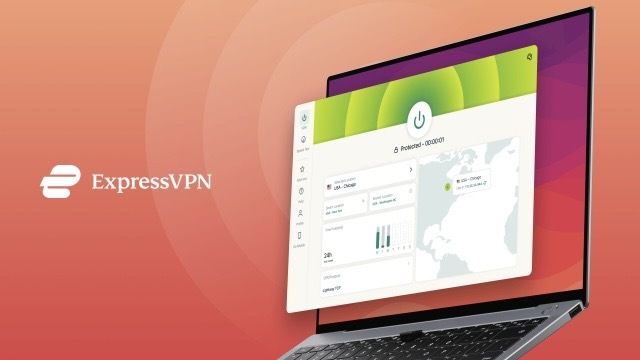
- ExpressVPN moves to Qt framework for unified cross-platform development
- Linux app benefits from a full GUI, dual-mode speed test and dedicated IP support
- macOS beta restores split tunneling and adds WireGuard protocol options
If you’re using ExpressVPN on desktop, your experience is about to get a lot more consistent and potentially a lot faster. The top-rated vendor announced a major architectural change, moving its Linux, macOS and Windows applications to a shared base built on the Qt framework.
To the uninitiated, this may sound like dry tech jargon, but for subscribers to one of the best VPN services on the market, it’s a significant quality of life improvement. By adopting Qt (pronounced “cute”), ExpressVPN can now build features once and deploy them to all operating systems simultaneously.
This marks the end of the “platform creep” that often plagues software, where the Windows app gets a shiny new feature while Mac and Linux users wait months for the same tool.
A game changer for Linux and Mac
The immediate benefits of this deployment are most visible to Linux and Mac VPN users.
For the Linux community, often the most overlooked in the VPN world, this update is huge. The new Qt-based application introduces a comprehensive graphical user interface (GUI), meaning you no longer need to rely solely on the command line to change servers or adjust settings. Although the CLI remains reserved for experienced users, the new dashboard makes the service much more accessible.
Linux users also have access to a built-in speed test that measures your internet performance with and without a VPN in a single session, as well as the ability to manage dedicated IP add-ons directly within the app.
On the Mac side, the news is just as good. The new Qt-based beta app brings back split tunneling for modern versions of macOS, a feature that was notoriously difficult to implement on recent Apple Silicon updates. This allows users to route specific applications through the VPN while keeping others on their standard connection.
Additionally, the Mac beta adds WireGuard to ExpressVPN’s proprietary Lightway and OpenVPN protocols, giving users more choices when it comes to speed and stability.
Why switching to Qt is important
In a blog post detailing the changes, ExpressVPN explained that the change is about predictability and speed.
“Qt is not something users will notice directly, but it is reshaping the way these applications will develop over the coming years,” the company said. “Features can be built once instead of multiple times, design choices can extend across platforms without drift, and updates that used to move unevenly between operating systems can finally align.”
Essentially, this streamlines the engineering process. Instead of three separate teams creating the same feature for three different operating system environments, one team creates it and it spreads everywhere. This should result in faster bug fixes, more frequent feature drops, and a unified look and feel whether you’re on an Ubuntu desktop, MacBook Air, or Windows gaming rig.
How to get the update
The new experience takes place in stages:
- Linux: The new Qt-based application (v3.0+) is now available for distributions based on Debian 11+, Ubuntu 24.04+, Fedora 35+ and others.
- macOS: The Qt version is currently available exclusively through the beta channel on the ExpressVPN website. Users should note that the Qt macOS app will not be available on the App Store due to Apple’s restrictions.
- Windows: A beta version for Windows 10 and 11 should arrive in the coming weeks.
For those who want to test the latest features, you can download the installers directly from your account dashboard on the ExpressVPN website. As always, keeping your VPN app up to date is essential to maintaining optimal security and performance.
Follow TechRadar on Google News And add us as your favorite source to get our news, reviews and expert opinions in your feeds. Make sure to click the Follow button!


