
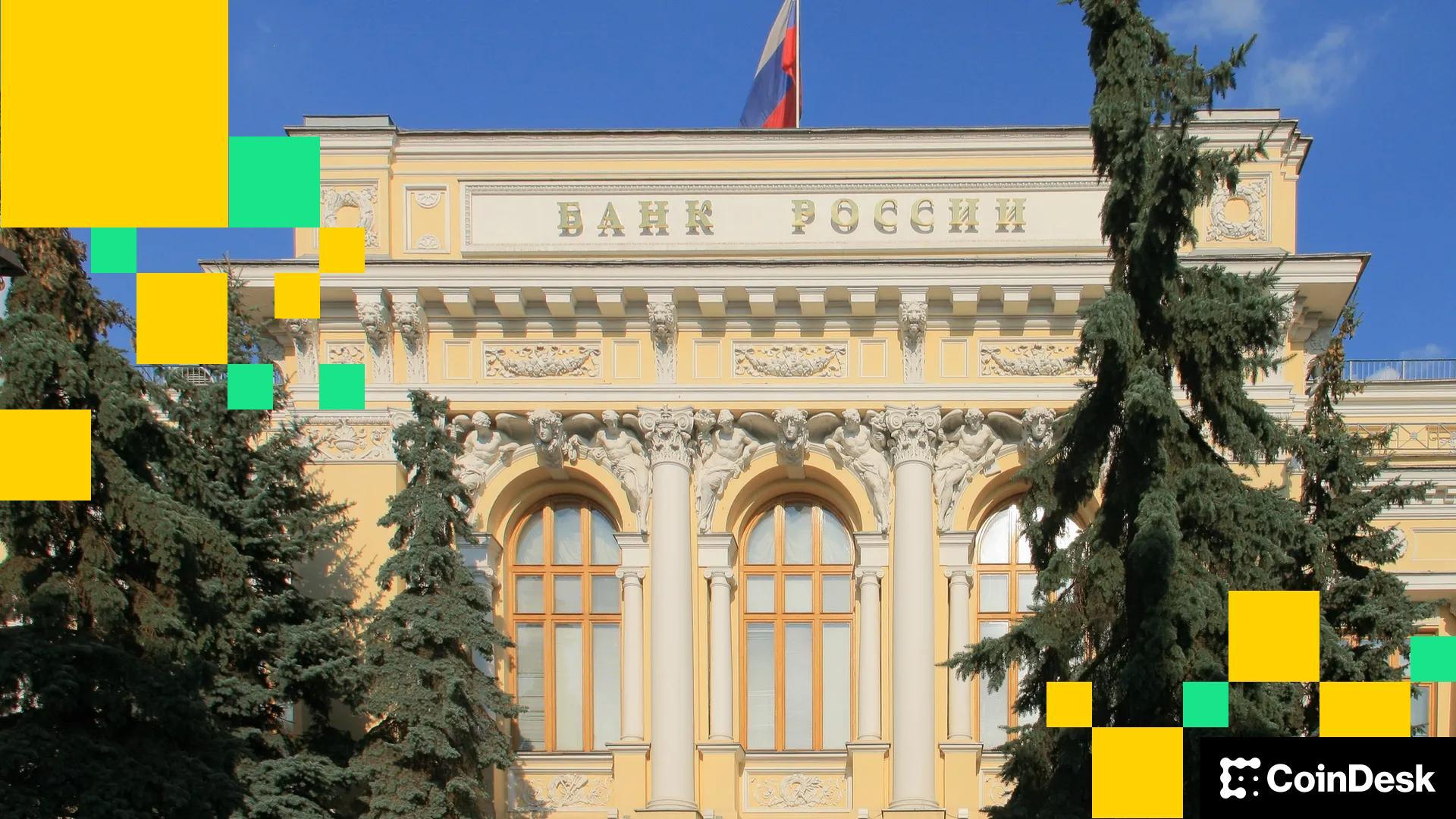
The central bank of Russia has presented a proposed framework that would legalize and regulate cryptocurrency trading for individuals and institutions, continuing its easing towards cryptocurrencies. However, he continues to warn that investing in crypto carries risks, including potential losses.
“They are not issued or guaranteed by any jurisdiction and are subject to increased risks of volatility and sanctions,” the central bank’s press release said. “When deciding to invest in crypto assets, investors should understand that they are assuming the risk of potential loss of their funds.”
The central bank also stated that “digital currencies and stablecoins are recognized as monetary assets; they can be bought and sold, but they cannot be used for domestic payments.”
According to the proposal, “digital currencies and stablecoins are recognized as monetary assets; they can be bought and sold, but they cannot be used for domestic payments.”
The proposal follows months of reporting showing Russia moving toward wider access to crypto under regulated conditions. Officials had already acknowledged the widespread use of crypto and assessed the involvement of banks. The move also comes amid growing signs that major Russian financial institutions are considering or seeking approval to offer crypto spot trading under the new framework.
Under this proposal, ordinary Russian citizens would be able to buy and sell cryptocurrencies through regulated platforms. Non-qualified investors can buy up to 300,000 rubles (about $3,300) of crypto through intermediaries each year, provided they pass a risk awareness test. Qualified investors would be able to trade without volume caps, but would also be subject to a knowledge assessment. Privacy-focused cryptocurrencies that hide transaction data would remain prohibited.
The framework grants legal status to crypto services offered by existing financial companies in Russia, including exchanges, brokers and asset managers, if they operate under existing licenses. It also paves the way for new rules governing digital asset custodians and wallet providers.
The proposal would also allow Russian residents to purchase cryptocurrencies abroad using foreign accounts and then transfer those holdings to approved domestic platforms, with mandatory tax reporting requirements, a reversal from the Bank of Russia’s previous position. It also supports broader use of digital financial assets (DFA) issued by Russia, including their circulation on public networks and their potential access for foreign investors.


