- Gold rose 0.1% to $4,492.51 with a record high of $4,525.19.
- Silver gains $72.27, reaching an all-time high of $72.70.
- Low end-of-year liquidity exaggerates recent price movements.
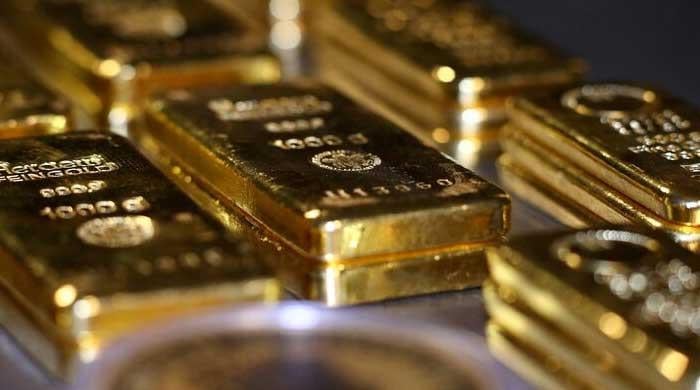
Gold surpassed the $4,500 an ounce mark for the first time on Wednesday, while silver and platinum also hit record highs as investors flocked to the precious metals on safe-haven demand and expectations of a further cut in U.S. interest rates next year.
Spot gold rose 0.1% to $4,492.51 an ounce by 0359 GMT, after hitting a record high of $4,525.19 earlier in the session. U.S. gold futures for February delivery climbed 0.3% to a record high of $4,520.60.
Silver gained 1.2% to $72.27 an ounce, after hitting an all-time high of $72.70 earlier, while platinum jumped 3.3% to $2,351.05 after hitting an all-time high of $2,377.50.
Palladium rose almost 2% to $1,897.11, its highest level in three years.
“Precious metals have become more of a speculative narrative around the idea that with deglobalization you need an asset that can act as a neutral intermediary, without sovereign risk, particularly as tensions between the United States and China persist,” said Ilya Spivak, head of global macro at Tastylive.
Low year-end liquidity has exaggerated recent price movements, but the broader theme is likely to persist, with gold targeting $5,000 over the next six to 12 months and silver potentially pushing toward $80 as markets react to key psychological levels, Spivak added.
Gold has surged more than 70% this year, its biggest annual gain since 1979, driven by safe-haven demand, expectations of U.S. rate cuts, robust central bank buying, dedollarization trends and ETF inflows, with traders banking on two rate cuts next year.
Silver has surged more than 150% in the same period, outpacing gold on strong investment demand, its inclusion on the U.S. list of critical minerals and buying momentum.
Gold and silver “stepped on the gas pedal this week” with new record highs, reflecting their appeal as stores of value amid expectations of lower U.S. rates and lingering global debt, said Tim Waterer, chief market analyst at KCM Trade.
Platinum and palladium, mainly used in automotive catalytic converters to reduce emissions, have surged this year due to tightening mining supplies, pricing uncertainty and a rotation away from gold investment demand, with platinum up about 160% and palladium more than 100% year to date.
“What we’re seeing in platinum and palladium is largely a catch-up,” Spivak said, adding that the tight nature of these markets makes them vulnerable to big swings, even though they largely follow gold, once liquidity returns.