
Health Ministry sends suspected H3N2 ‘super flu’ samples to Islamabad as pediatric wards face severe overcrowding
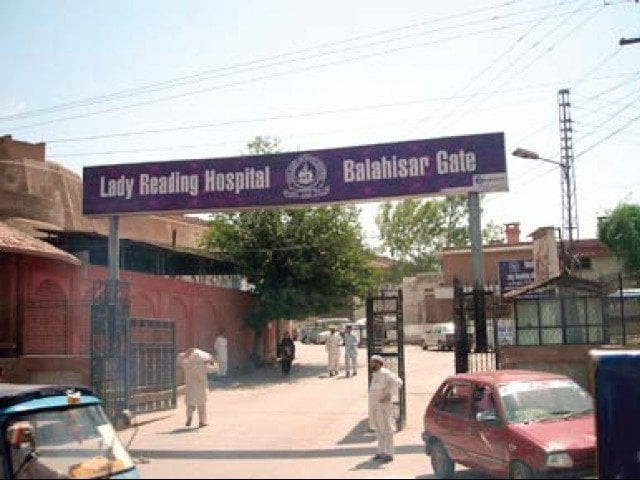
Lady Reading Hospital. PHOTO: EXPRESS
PESHAWAR:
The Khyber-Pakhtunkhwa health department has sent five samples of the influenza virus from Peshawar and other districts to the National Institute of Health in Islamabad for analysis, following concerns over the spread of the H3N2 ‘super flu’ reported in several countries.
Currently, the province is witnessing an increase in seasonal flu cases, leading to a significant increase in the influx of patients, especially in large hospitals.
Children make up the majority of these patients, suffering from respiratory and lung infections, influenza and pneumonia. As a result, pediatric wards and thoracic wards are operating beyond capacity, with reports of up to four children sharing a single bed, highlighting the critical state of hospital facilities.
Sources say that many cases of seasonal flu are being reported in Peshawar and surrounding districts. Fears over the H3N2 strain prompted families to immediately rush affected patients to hospitals, straining resources. Although flu samples sent to the NIH two months ago have yet to yield results, the Department of Health is still unaware of any confirmed cases of the “super flu.”
According to officials, the Health Ministry has issued comprehensive advisories to all hospitals, asking medical staff to use masks and gloves and follow preventive measures. Hospitals have been ordered to isolate symptomatic patients and immediately report any suspected cases.
Previously, NIH testing had identified H3N2 in 20 percent of submitted samples, raising warnings of possible outbreaks.
Experts warn that the recent cold snap could make the situation worse, further increasing the number of cases.
In Peshawar’s three main hospitals alone, more than 60,000 cases of seasonal flu have already been recorded, and several districts are reportedly facing even worse conditions. Contributing factors include extreme cold, gas shortages and limited medical facilities.
Common symptoms among patients include severe cough, cold, headache, body aches, and in some cases, fever.
Health experts predict that cases of seasonal flu will continue to be reported through February. They advise the public, especially children and the elderly, to wear warm clothing, consume hot beverages and take precautions against exposure to cold.
Additionally, people are urged to avoid spitting in public, wear masks and wash their hands regularly to limit the spread of the virus.


