
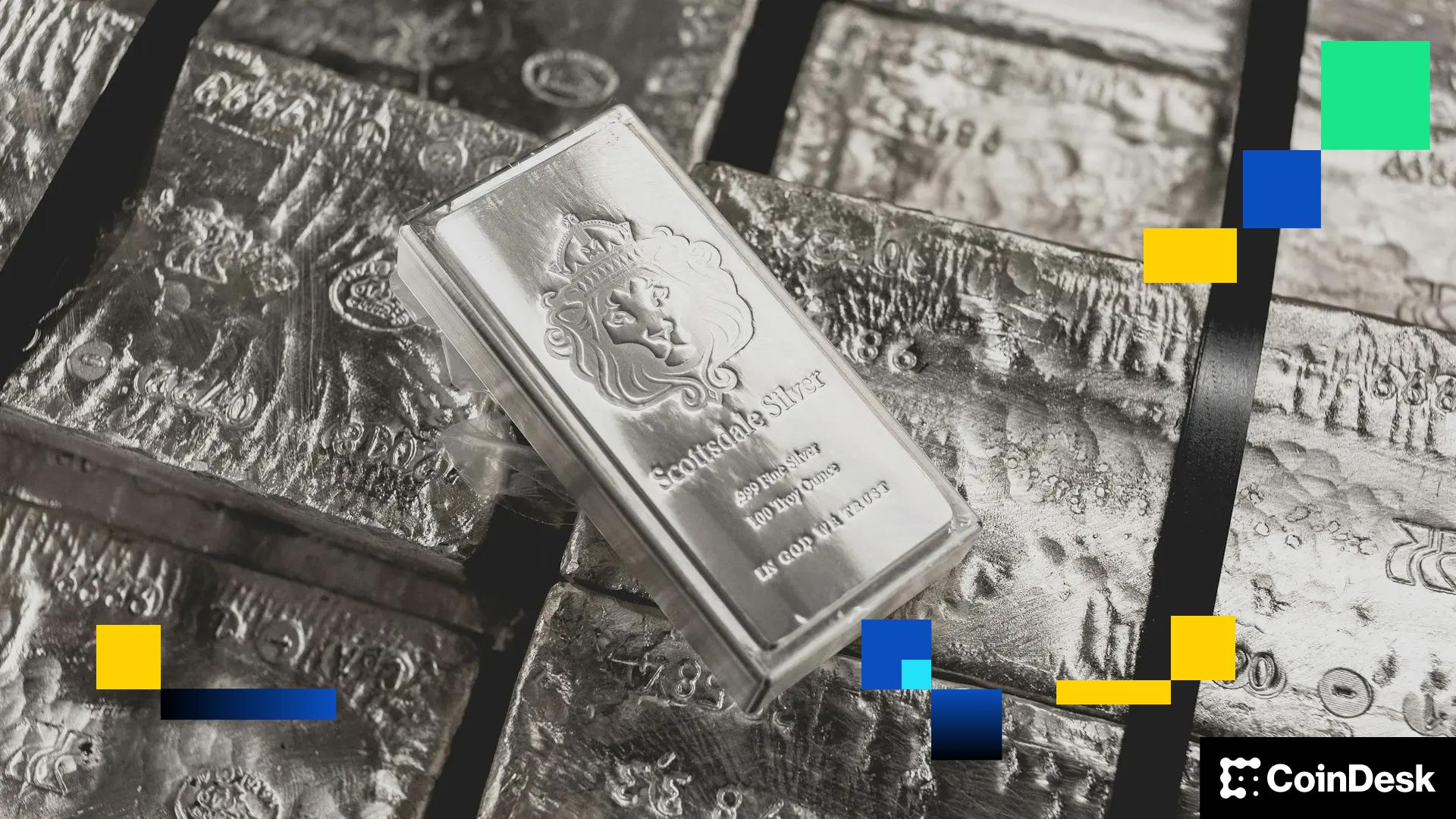
Interest in silver is spreading across tokenized markets, with on-chain trading volumes increasing alongside futures and exchange-traded fund (ETF) activity, as the metal experiences volatility after hitting successive record highs throughout the month.
Data from RWA.xyz shows that monthly transfer volume for its tokenized version of the iShares Silver Trust (SLV) has jumped more than 1,200% in the past 30 days, alongside a roughly 300% increase in holders and a nearly 40% increase in net asset value.
Tokenization involves representing real-world assets, such as private equity, real estate, commodities, etc., as digital tokens on a blockchain. The process helps make assets more easily tradable and divisible, opening up new possibilities for fractional ownership and liquidity.
The tokenized Silver Trust, for example, allows non-US investors to gain exposure to SLV, with the ability to mint, redeem and transfer tokens 24 hours a day.
Prices in physical markets have diverged sharply from those in futures, with analysts pointing out that premiums in Asia are reaching double-digit levels over the COMEX, and that the London futures curve is in backwardation – meaning that at nearly $80 an ounce, the metal is more expensive today than in the future, a sign of near-term supply tensions.
Silver’s rally was fueled by a convergence of supply constraints, structural demand, and favorable macroeconomic factors that tightened physical markets.
Analysts point out that China’s decision to impose export licenses for refined silver from January 1 adds to concerns over supply availability – raising prices – while higher forward margins and year-end positioning have complicated trading in traditional markets.
At the same time, demand from the solar power industry continues to rise, with silver consumption related to photovoltaic manufacturing remaining largely inelastic, even after prices more than tripled from 2024 levels.
Silver’s onchain rally alongside its counterpart TradFi appears to be another data point demonstrating that tokenized versions of assets are a trend that is here to stay.


