
LAHORE:
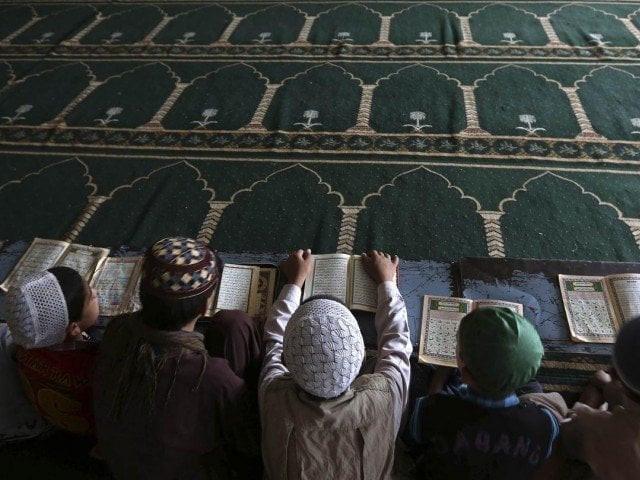
The Punjab government on Tuesday held consultations with delegations of Jamaat Ahle Hadith Pakistan and Jamia Ashrafia as part of its ongoing efforts to streamline the registration of religious seminaries (madaris) across the province.
The meetings took place at the Ministry of Interior and were chaired by Provincial Minister of Health and Chairman of the Cabinet Committee on Public Order, Khawaja Salman Rafique.
Interior Minister Dr Ahmad Javed Qazi, Special Secretary Fazal Rehman, Additional Secretary Abdul Rauf and senior officials of the Counter Terrorism Department (CTD) Special Branch and other concerned departments were also present.
The Jamaat Ahle Hadith Pakistan delegation was led by its leader, Hafiz Abdul Ghaffar Rupdi, and included senior religious scholars and officials of the organization from Lahore and other areas.
A separate delegation from Jamia Ashrafia Pakistan was led by Hafiz Asad Ubaid and Abdul Rauf Farooqi, along with representatives of various religious institutions and organizations.
Discussions during the meetings focused on the mechanism for registration of madrassas, addressing the concerns of different schools of thought and ensuring a transparent, simple and facilitative process.
Khawaja Salman Rafique said the Punjab government had made the registration process “extremely simple” after extensive consultations with religious scholars.
He acknowledged the role of madaris in imparting both religious and contemporary education and said the government would continue its engagement with scholars of all sects to build consensus and mutual trust. He also stressed that religious leaders play a vital role in social reform and the promotion of peace and harmony.
Interior Minister Ahmad Javed Qazi said the registration framework was being finalized through mutual consultation with representatives of various schools of thought and would be implemented in a coordinated and transparent manner under the supervision of the Interior Ministry. He further informed the participants that on the instructions of Chief Minister Maryam Nawaz, payment of stipends to imams of mosques would begin from January 2026. The initiative aims to recognize the services of religious leaders and strengthen their role in promoting harmony and lawful conduct in the society.
Religious scholars hailed the government’s commitment and expressed support for the steps taken by the provincial government to improve law and order in Punjab. They stressed that cooperation between the government and religious institutions was essential to maintaining peace, particularly with regard to mosques, madaris and interfaith harmony.
Punjab authorities said consultations with other religious organizations would continue in the coming days as part of a broader strategy to regulate madaris, promote transparency and prevent abuse, while fully respecting religious autonomy.


