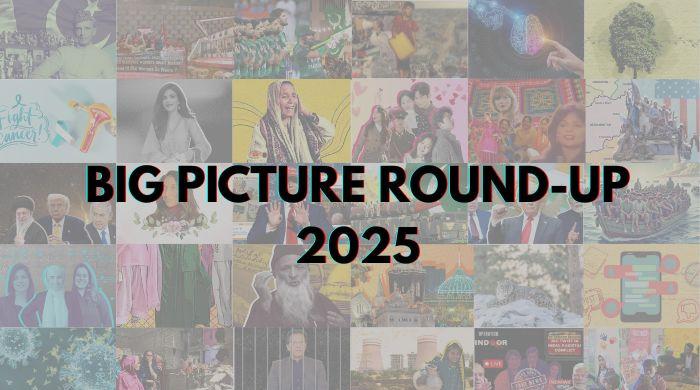
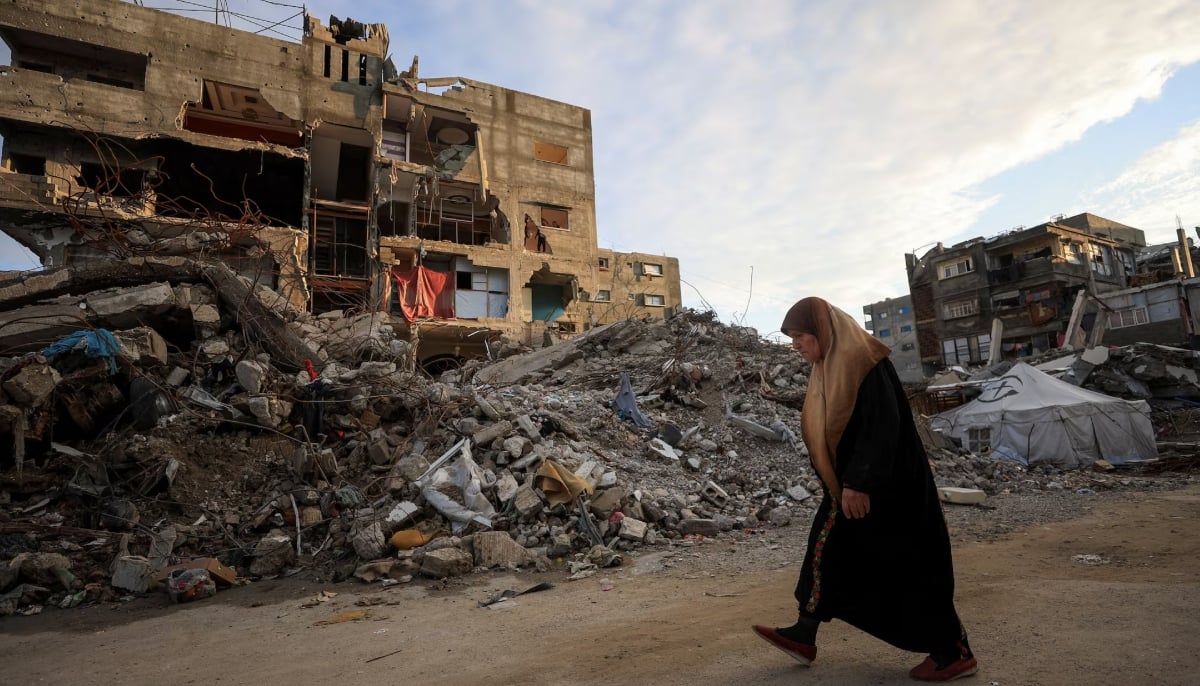
The year 2025 has been a roller coaster in every sense of the word. From the start of the year with the return of Donald Trump to the White House in Pakistan, which occupies a central place in the world of diplomacy, through artificial intelligence (AI) transformed into an uncontrollable monster to the fragile ceasefire in Gaza, everything kept us in suspense all year.
At Big Picture, we closely monitored everything that demanded attention and published work that not only highlighted some of the most crucial stories of our time, but also those that asked difficult questions and sought context.
Over the past year, we have published more than 80 reports, commentaries and essays exploring topics such as human rights, climate change, technology and AI, politics, sports, health and culture, among others. Each article has been carefully chosen to reflect our belief that journalism and the power of words, combined with urgency and rigor, can have a positive impact on the world around us.
We worked closely with our diverse roster of contributors, reiterating the need for meaningful stories in times of great uncertainty. This year-long round-up is therefore not only a celebration of our output showcasing some of the best and most read articles, but also an ode to the power of the written word in an age where it is sadly overrun by robots and machine learning models.
While we’ve enjoyed editing and reading everything published on Big Picture this year, we’ve put together a shortlist of works that stood out to us, as well as those most read by our readers.
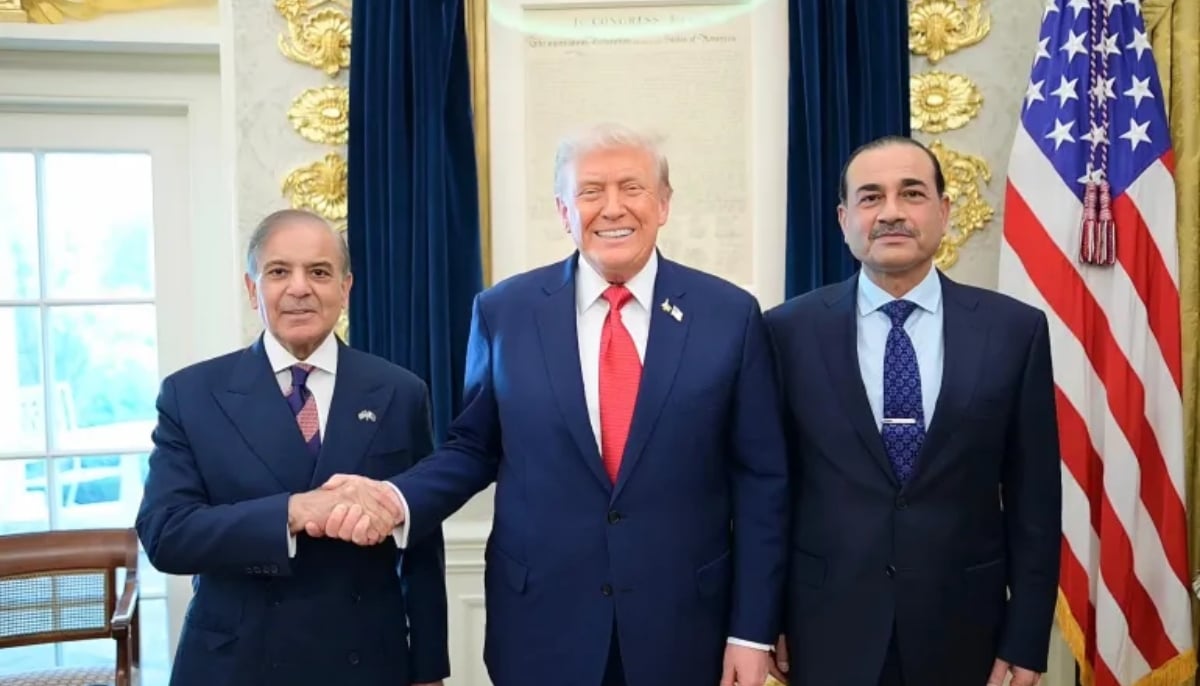
We analyzed the potential impact of Donald Trump’s return to the presidency not only on the United States but also on the world at large, particularly on Pakistan. His attempt to become the ultimate peacemaker and secure a Nobel Peace Prize nomination, his team’s twisted but somewhat attention-grabbing social media strategies, and his fragile deal as a mediator amid Israel’s continued offensive in Gaza were all covered by Big Picture.
Pakistan’s diplomatic strategies and nuclear deterrence, its restraint during India’s unprovoked attacks in May, the misinformation and fake news that have pervaded not only the Internet in Pakistan and India, the corporate media gimmicks of our rivals (which left cringing even among us in Pakistan), New Delhi’s threats to suspend the Indus Water Treaty and the Kashmir issue, among other issues – all required separate exploration. We also discussed Islamabad’s policy on Afghanistan by seeking analysis from experts on the subject.
We examined the deterioration of Pakistan’s political landscape, including an in-depth look at the February 8 general elections a year later, as well as the second anniversary of former Prime Minister Imran Khan’s incarceration, and we also examined the consequences of the draconian PECA law. The country’s Independence Day was also examined in the context of history and contemporary challenges facing the nation.

This year, Pakistan also remained plagued by terrorist attacks, leading us to explore the need for a counter-narrative and the unfinished war on terror.

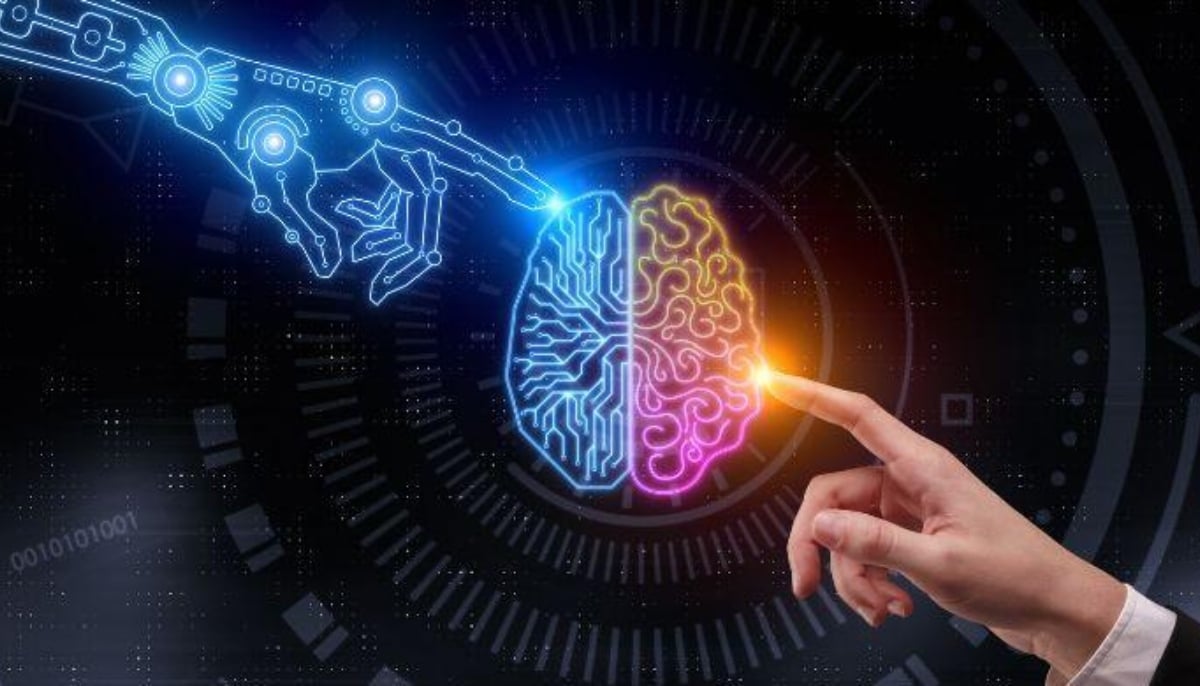
Our contributors wrote about the slow death of thought due to AI as well as the technology that distorts reality and blurs the truth on the contested social media site
We also profiled brilliant women who are making waves in Pakistan’s tech sector and explored the government’s inclination towards the world of cryptocurrency.

Our contributors have written about the long-term impact of COVID-19 on women’s health issues often overlooked, including the critical need for the HPV vaccine to prevent cervical cancer, insight into what endometriosis entails, and women’s struggles with cortisol.

Our platform also gave space to the often neglected topic of suicide and raised awareness about breast cancer – both of which were addressed with great care and sensitivity.

This year, we have witnessed several incidents that have made us aware of several human rights and social justice issues that are often seen as bureaucratic, systematic or infrastructural failures.
For example, Karachiites are being mercilessly killed in road accidents, the recent tragic event of the death of a toddler after falling into an open manhole in Karachi, the collapse of a residential building in the city and the growing concerns over the safety of laborers and garment workers working in unsafe conditions.

The menace of human trafficking has also been studied in depth following several incidents in which Pakistanis lost their lives at the hands of human traffickers.
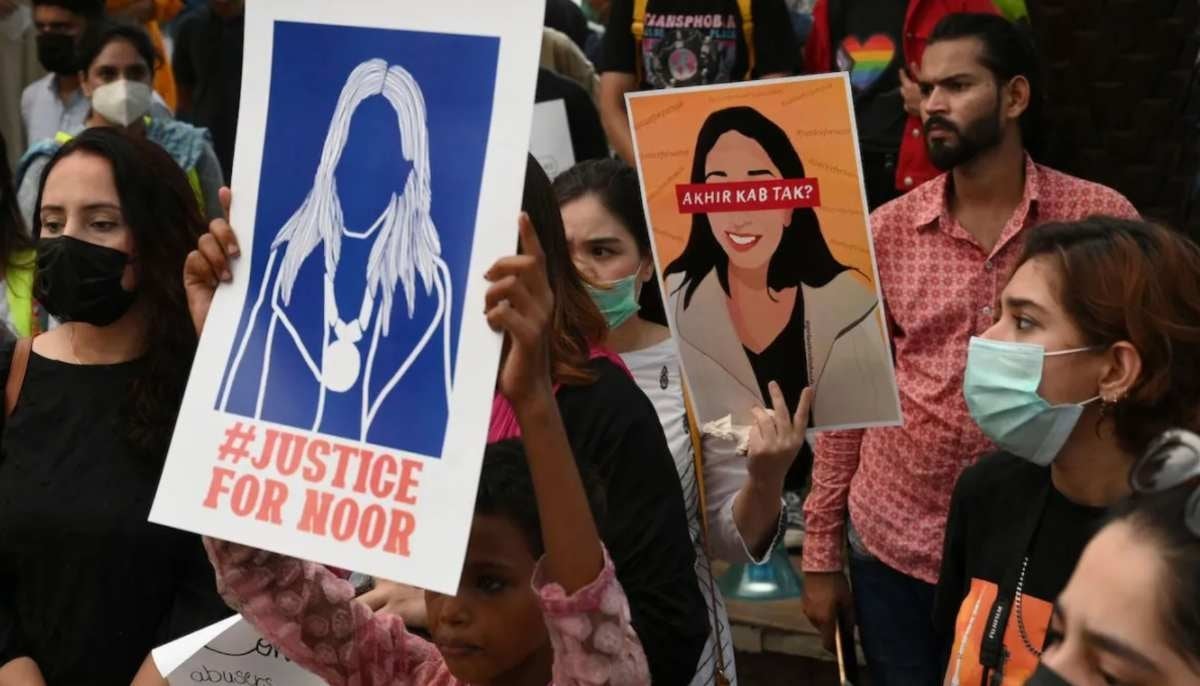
Our contributors addressed gender issues, including growing cases of gender-based violence and the patriarchal chains that keep women away from legal knowledge.

One of our most read, and not just cultural, articles this year — published on Valentine’s Day — noted lessons on love from a ‘K-Drama’ perspective, while the exploration of the evolution of Dholki in Pakistani weddings was not only an enjoyable read for us but also became a reader favorite. The farshi shalwar trend was also the highlight of the year that we didn’t want to miss.

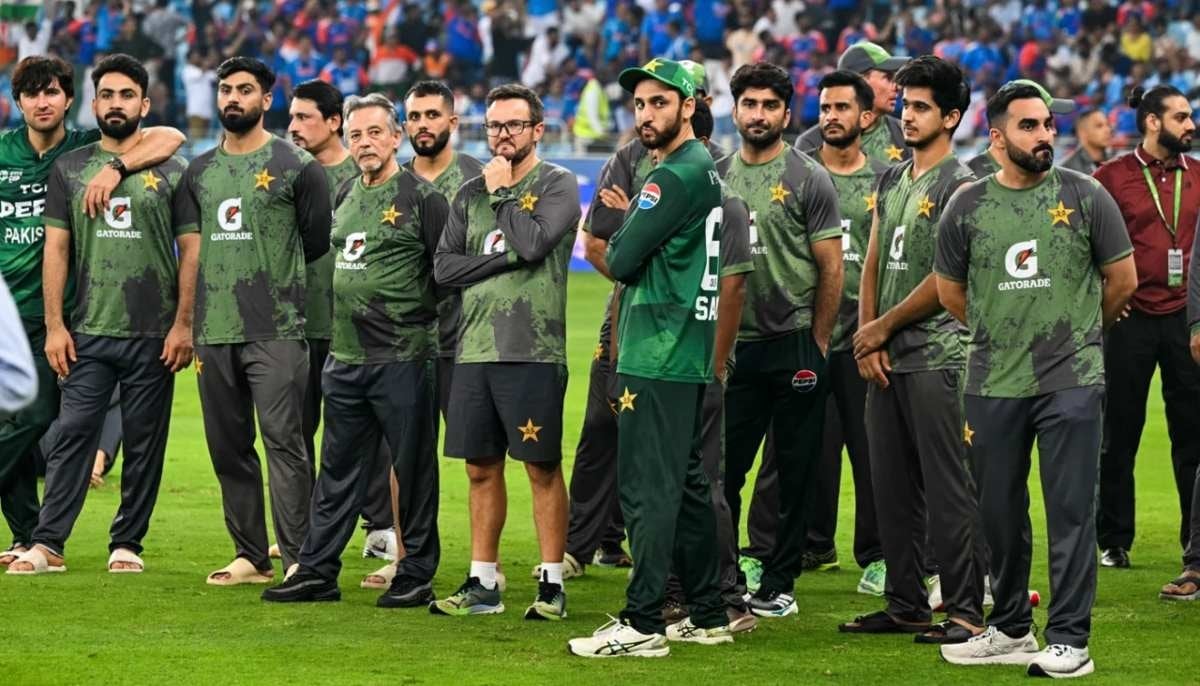
The meme wars between Pakistan and India, amidst this brief war situation, was not only a political moment but also a huge cultural moment that we could not afford to skip. We also got a glimpse into the world of cricket when Pakistan became the host of the 2025 Asia Cup.
Our contributors traced the legacy of legendary folk singer Mai Bhagi and philanthropist Abdul Sattar Edhi, and also wrote about the dilemma of abandoned writers and artists like Mushtaq Kamlani and Humera Asghar, whose tragic passing left people mourning the life she lived as a woman in Pakistan.

A personal essay exploring the longing for the saptaparni tree across the border in Delhi, a tribute to Dr Arfa Zehra and a heritage walk in the historic city of Lahore stood out among the moving pieces we hosted this year.

At Big Picture, we remained concerned about the need for much-needed work on climate, environment and conservation.
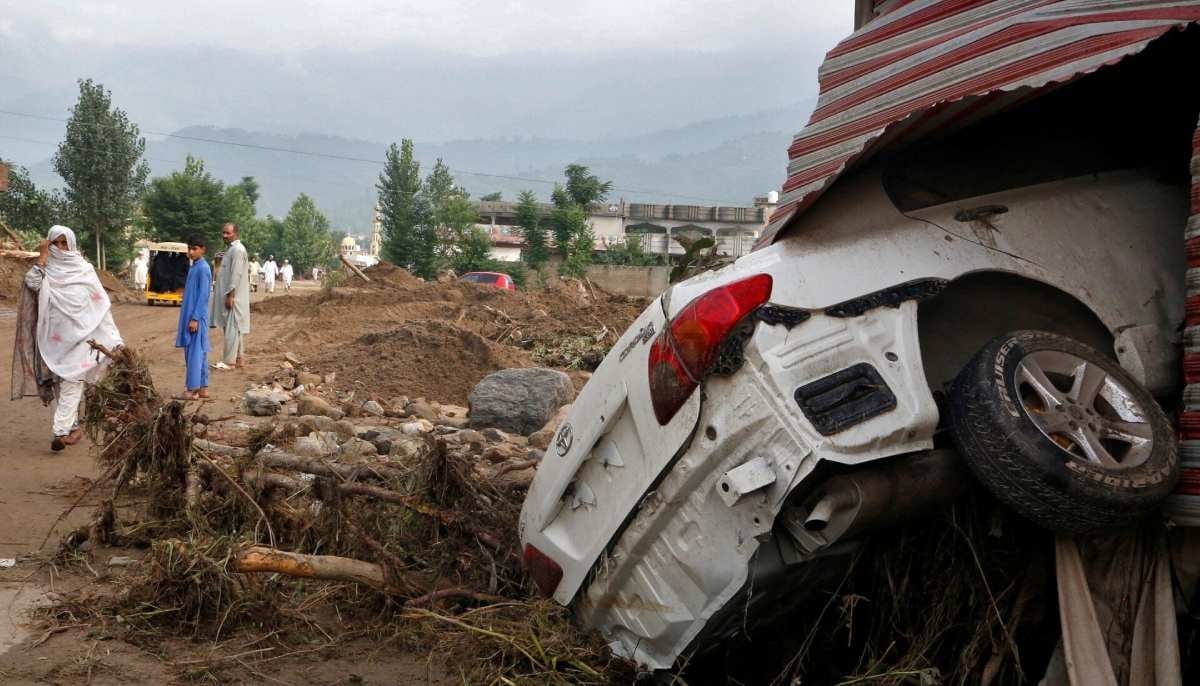
That’s why we commissioned reporting and expert analysis on the ravages of floods, the impact of climate change-induced destruction on women, the canal brawl in Sindh, saving endangered wildlife, rethinking urban flood resilience, and seeking accountability from environmentally damaging corporations that are displacing indigenous communities in the southern province.
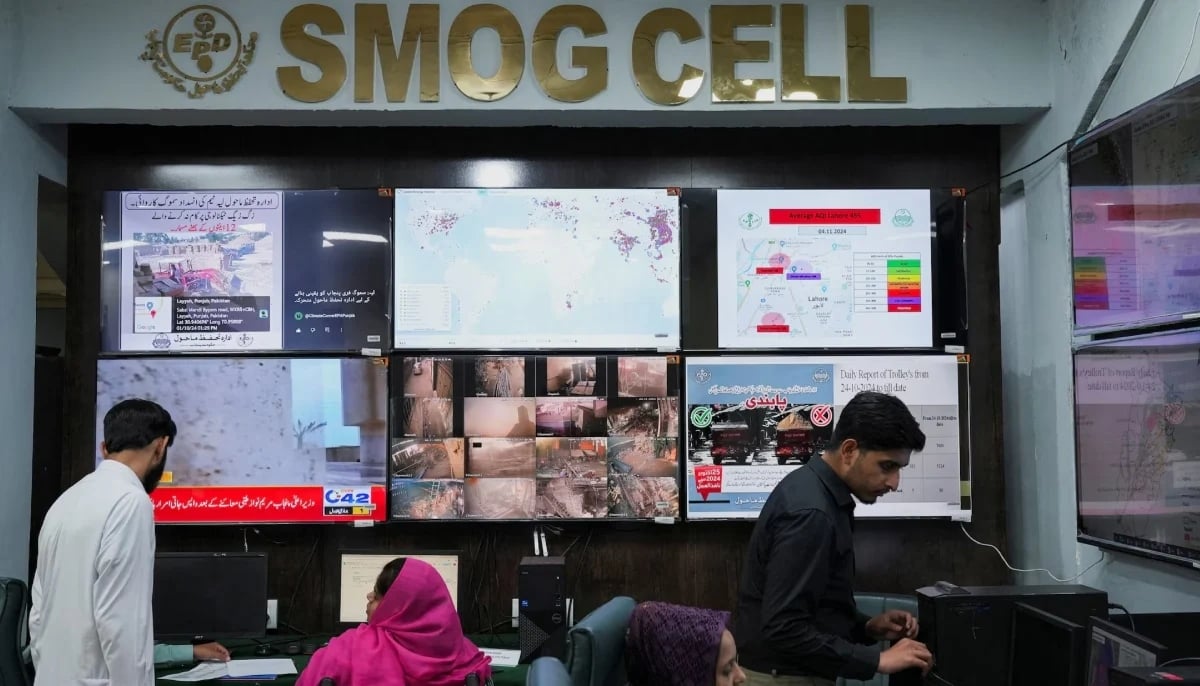
Whether smog can be tackled through the implementation of AI technology or whether electric vehicles can help clean Pakistan’s air were also among the topics we analyzed.
While this shortlist alone does not reflect our commitment to producing quality journalism and writing, it does highlight that quality and reader interest go hand in hand. This year has taught us that our work is meaningful, responsible and capable of initiating discourse on important topics, of offering readers the opportunity to consume quality content and perhaps also of making a difference.