
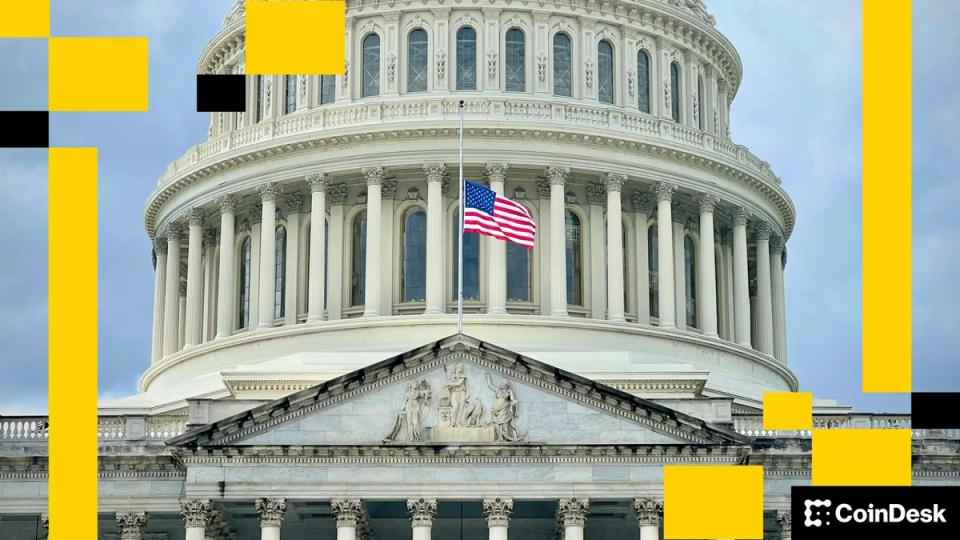
The US Senate Banking Committee is moving closer to agreement on a bipartisan crypto market structure bill, with a vote next week, its chairman said, as industry insiders prepare for a blitz of Senate offices on Thursday.
Republicans on the committee are showing great confidence that the finish line is near in the lengthy negotiations over a bill to create regulated crypto markets in the United States. However, Democratic negotiators have not largely weighed in on the quick timeline that committee Chairman Tim Scott says will end with a Jan. 15 markup hearing. A document from Tuesday’s meeting, first reported by Politico, shows that while key sticking points remain between the parties, many Democratic demands have been incorporated.
Many key issues Democrats had with the Market Structure Bill as early as last spring, when lawmakers were negotiating stablecoin legislation, appear to still be under discussion, including ethics, how yield is treated, how money transmitters are treated, the role of the U.S. Treasury Department in policing crypto and protecting developers.
“I think it’s important for us to take note and vote,” Scott said in an interview with Brietbart published Tuesday. “So next Thursday we will have a vote on market structure. We have worked tirelessly for over six months to ensure that we had multiple projects available to every committee member.”
Everyone agrees that a number of major provisions have not been worked out between the parties, as the meeting document explicitly illustrates, including ethics demands made by Democrats based on President Donald Trump’s personal crypto connections.
However, it also shows that Democratic demands were met point by point during the talks. They include items relating to illicit financing that reflect input from the Treasury Department, and a number of provisions were copied from the House of Representatives’ Digital Asset Market Clarity Act.
“Republicans and Democrats are motivated to get this done,” Digital Chamber CEO Cody Carbone said in an interview with CoinDesk on Tuesday. “So I think there is hope that even if there is not 100 percent agreement on a bill, there will be enough support to continue to move this bill forward.”
Still a long way to go
Scott’s long-awaited markup is a massive procedural step that would move from a proposed law to a bill going through the actual approval process. Since the House already passed a similar clarity bill last year, a Senate version would complete the package that could — if approved — end up on Trump’s desk.
However, a lot still needs to happen before that. First, the committee must review this markup. Next, a matching process must take place within the Senate Agriculture Committee, which has its own significant jurisdiction over the crypto area and one of the industry’s main regulators, the Commodity Futures Trading Commission.
Carbone argued that markup at this point could better define the final items Democrats and Republicans need to work on before the final vote. Other industry lobbyists are more reserved about whether a markup will succeed, suggesting that Democrats may vigorously oppose moving forward before some of their key demands have been met.
He said the industry is counting on the group of Democrats remaining at the negotiating table. Carbone says he is optimistic that the process will continue, although Sen. Elizabeth Warren, the top Democrat on the committee, is expected to remain in vocal opposition.
The Agriculture Committee has lagged significantly behind its banking colleagues during this process, even though its members tend to perform better in bipartisan action than Scott’s committee. Once the banking panel rules, those working on the bill believe the other committee will follow suit in the coming weeks.
Here’s what should still happen:
- Once both committees have completed markup – a process during which amendments are presented and debated – the panels vote on whether to move the bill forward.
- If the committees take this step, their two separate legislative projects are merged into a single bill for a vote by the full Senate.
- If the bill clears this major hurdle, it returns to the House, where it is expected to pass by a wide bipartisan margin, like the similar Clarity Act that preceded it.
- Then a signature from Trump would make it law.
Lobbying pressure
The crypto industry has had its say several times during these lengthy negotiations, including last month when industry executives were invited to meet with senators before the December recess.
But the Digital Chamber is mounting a final push this week, bringing in executives and other digital asset leaders on Thursday to flood the Senate offices, explaining how important they think this process is.
“We cover the Senate and meet with as many Senate offices as possible,” Carbone said. “And the goal is to bring together a very diverse group of industry participants to answer any questions they might have about the Market Structure Bill.” Executives from Binance.US, Unicoin, Anchorage Digital, Crypto.com and Hedera are expected to participate, among others.
Industry representatives, however, were careful not to say whether they support the current bill, as it contains vital provisions that have not been fully worked out, including the treatment of decentralized finance (DeFi) and the issue of stablecoins offering yield or rewards.
Many crypto insiders have suggested that failing to address concerns over DeFi oversight could further damage support for the industry. Carbone said there has been “real and substantial bipartisan progress on DeFi.”
Read more: Crypto bill hike expected next week as pressure mounts ahead of shutdown deadline


