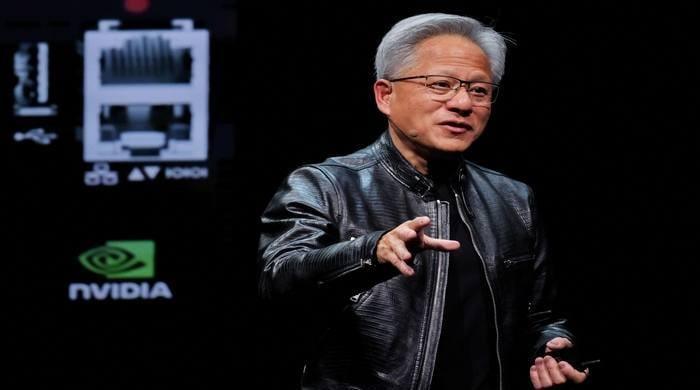
Chipmaker Nvidia put on such an incredible show showcasing its Rubin AI computing platform at CES 2026 that it caused a huge shift among Bitcoin mining companies toward AI data center infrastructure services.
During Nvidia’s keynote at the tech show, CEO Jensen Huang revealed that Rubin AI is now in full production.
The transition of Bitcoin miners shows a critical survival strategy in the wake of growing demand for AI computing power, which would completely change the industry.
As NVIDIA executives explain, Rubin AI combines advanced GPUs and CPUs suited for demanding AI workloads to deliver approximately five times the performance of previous systems with improved efficiency.
The GPU giant plans to deploy Rubin systems through cloud partners later in 2026 to enable the creation of large-scale AI clusters.
While the reason miners are turning to AI seems logical, the operational challenges are troubling.
Traditional Bitcoin mining facilities, often basic warehouses with low redundancy, would be unable to meet the strict reliability standards required for AI training clusters. These AI systems require Tier 3 or Tier 4 standards, ensuring 99.999% uptime, as even minor power outages can result in substantial financial losses.
The financial implications of this move are serious, with reports suggesting that equipping a 100-megawatt data center with advanced Rubin GPUs could require billions.
Many Bitcoin miners, typically capital-constrained and dependent on volatile markets, face difficult decisions, including potential shareholder dilution, high-interest debt, or liquidating their Bitcoin holdings at unfavorable times.
As mining heavyweights like Marathon Holdings and Bitdeer test tweaks to their strategies, smaller miners may struggle to survive, facing forced consolidation or market exit as resources continue to dwindle due to growing demand for AI.