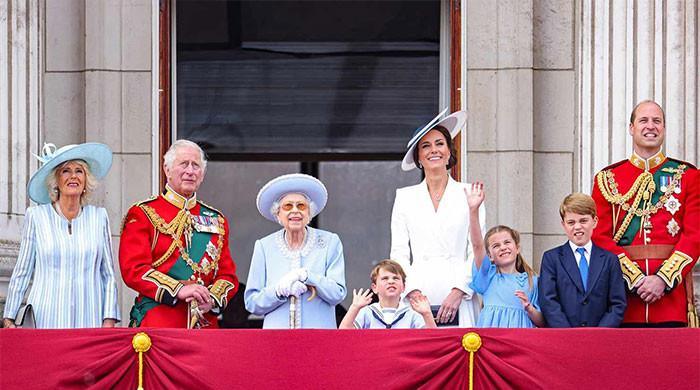
The Buckingham Palace balcony told its own story during this year’s Trooping the Color.
It was once a crowded royal showcase that has been reduced to a carefully curated lineup featuring members of the working royal family, the children of Wales and just one additional family member.
The royal family is understaffed and the consequences are becoming impossible to ignore.
In 2025, only 10 working royals carried the weight of the monarchy.
Together, they completed 2,459 official engagements, a sharp decline from 2018, when 16 working royals took on almost 4,000 duties. Decline is not a matter of commitment; it’s a question of capacity.
The figures also reveal demographic compression. The average age of working royals today is close to 70, with six now in their 80s and responsible for around two-thirds of all appearances.
King Charles and Princess Anne continue to lead the workload, even though they are well past the usual retirement age.
William and Kate represent a much smaller share of health considerations, family priorities and a conscious effort to pace their roles while raising their children.
The problem is that there simply aren’t enough young royals willing to step up.
Recent health problems within the family have revealed how fragile the system has become. Reduced hours, hospital stays and travel have highlighted the lack of flexibility in the current model.
Solutions are limited and risky. Reducing royal duties could weaken long-standing ties to charities and communities.
Expanding the asset list would require reversing years of policy aimed at keeping the monarchy down and would likely require financial support for relatives who abandon private careers.
Prince George and his siblings are still years away from full-time royal life, leaving a long period where the institution must make do with fewer faces and rising expectations.