
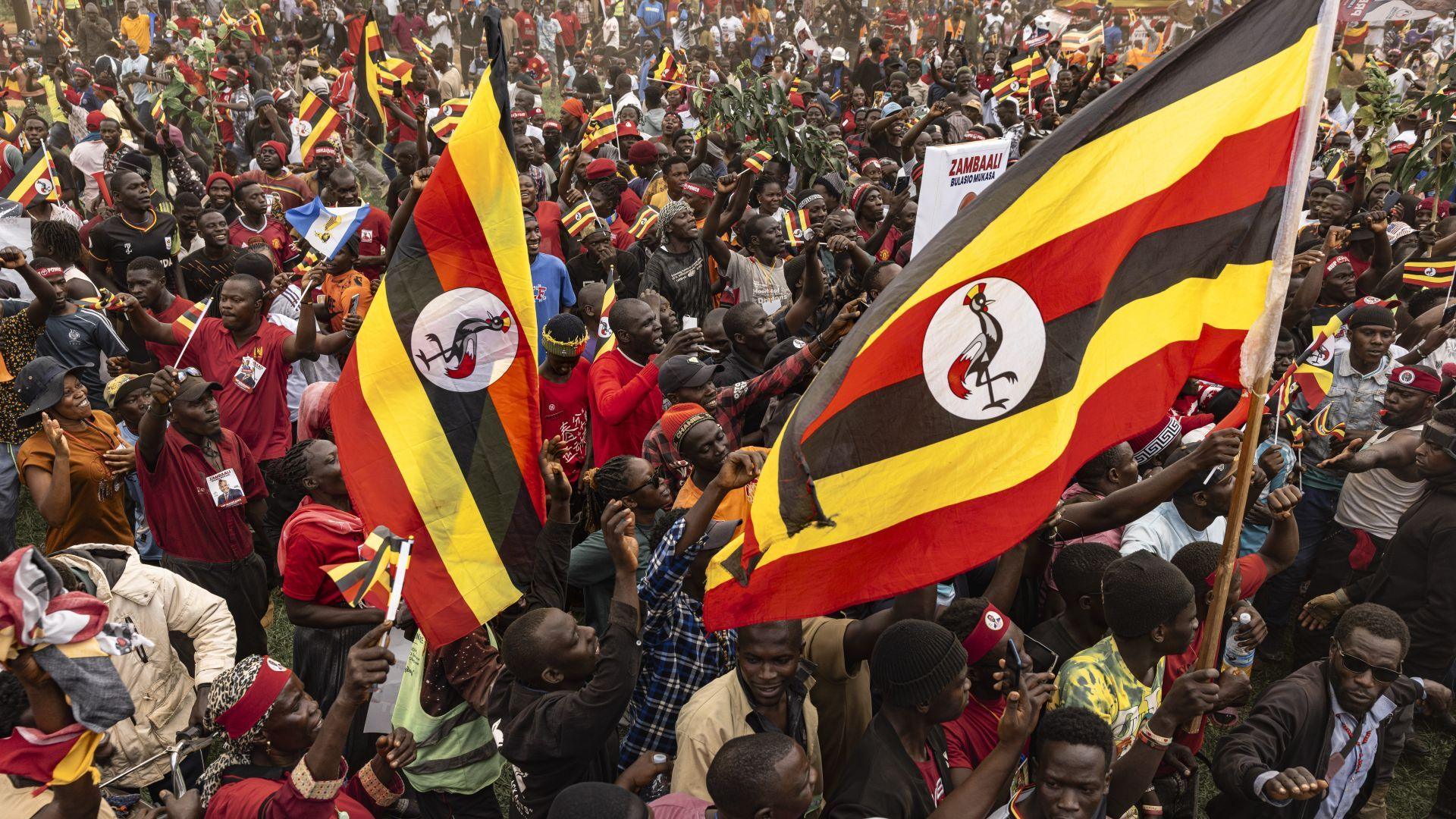
- Interest in VPNs surges in Uganda after public internet suspended
- Proton VPN confirmed an 8,000% increase in registrations on Tuesday
- Uganda imposes restrictions two days before presidential elections
Interest in VPN apps quickly increased among Ugandan citizens when authorities ordered an internet shutdown on Tuesday (January 13), two days before the country’s presidential elections.
According to the latest data from Google Trends, searches for the term “VPN” began to increase immediately after the internet shutdown, and continue to increase as of this writing.
Between 2:00 p.m. and 3:00 p.m. GMT, we saw an increase in @ProtonVPN sign-ups of +8,000% in Uganda 🇺🇬 as the government ordered the suspension of public internet access ahead of Thursday’s elections. We had already seen two spikes in recent weeks, as residents prepared for a predicted internet outage: pic.twitter.com/rvvz58jBYxJanuary 13, 2026
This comes despite the Uganda Communications Commission (UCC) ordering a temporary suspension of public access to the internet. Although essential services such as online banking and government administrative portals are excluded from the block, affected services include social media apps, video streaming platforms and messaging apps. Satellite internet services like Starlink are also blocked.
Per the order, only authorized personnel are allowed to use a virtual private network (VPN) to access suspended services. The restrictions will remain in effect until the UCC issues a restoration notice.
Earlier this month, the UCC dismissed rumors of a possible internet shutdown, while warning people seeking to use VPNs to circumvent Facebook’s ban that they are not “immune from legal action.”
Do VPNs work in Uganda?
As we see with the current situation Iranian digital blackout, even the best VPN apps can’t help people reconnect during a total internet blackout. This is because VPNs and similar circumvention tools need a working Internet connection to work.
The situation in Uganda, however, seems different. According to social media, some people in the country have managed to evade restrictions by connecting to VPNs.
Another tweet shows that VPN apps are currently among the most downloaded apps in Uganda’s official app stores, alongside mesh messaging using Bluetooth connections, like Bitchat.
This could be because internet connectivity levels in Uganda were still around 20% as of Wednesday morning, according to NetBlocks data. For comparison, in Iran, connectivity levels have been near zero since January 8, making a VPN impossible to use from the start.
ICYMI: #Uganda is currently in the midst of a widespread internet shutdown as telecommunications regulator UCC imposes a blackout ahead of tomorrow’s general elections. Far from putting an end to disinformation, the measure is likely to limit transparency and increase the risk of electoral fraud 🗳️ pic.twitter.com/teqeWITnqAJanuary 14, 2026
However, the situation in Uganda could further evolve in the coming hours.
We reached out to Proton and digital rights experts across the country to find out how the situation is developing and what people can do to overcome the restrictions. We will update the page with the latest information as soon as we receive a response.
Why did Uganda suspend internet access?
The UCC said the internet shutdown is a necessary measure “to mitigate the rapid spread of misinformation, disinformation, electoral fraud and associated risks online, as well as to prevent incitement to violence that could affect public trust and national security during the election period.”
Digital rights experts, however, have long warned that access to the internet is crucial to ensuring free access to information and freedom of expression during such a delicate time. “These rights are essential to inclusive participation and are the cornerstone of free, fair and credible elections,” wrote Access now.
Uganda has a long history of internet shutdowns, including during elections. Authorities did so during the hotly contested 2021 election, with week-long restrictions. In this case, authorities even cut off access to more than 100 VPN apps, Access Now said.
The Committee to Protect Journalists has previously reported Ugandan journalists attacked for covering preparations for crucial presidential elections. This election will see, for the second time, opposition leader Bobi Wine, singer turned politician, fighting against President Yoweri Museveni, in power for almost 40 years.
Follow TechRadar on Google News And add us as your favorite source to get our news, reviews and expert opinions in your feeds. Make sure to click the Follow button!


