
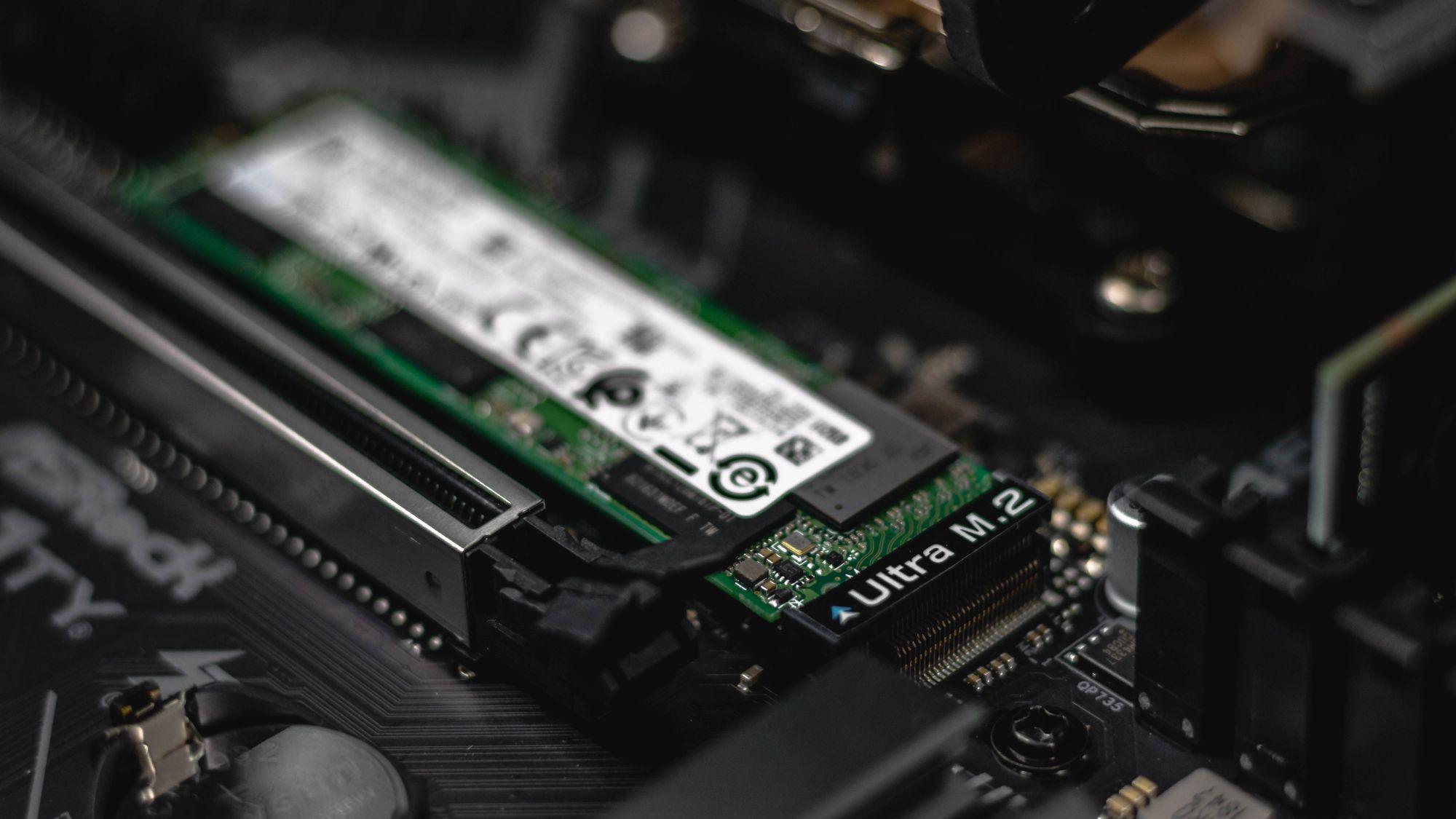
- NAND flash pricing shifts away from short-term cycles toward structural pressure
- TrendForce Data Shows Inventory Movements No Longer Drive SSD Component Costs
- Suppliers Limit Production Growth Through Cautious Capacity Expansion Strategies
NAND Flash prices are entering a phase of sustained pressure that reflects, and may even exceed, recent disruptions in the DRAM market.
New data from TrendForce suggests that SSD component costs are no longer driven by short-term inventory cycles.
Instead, structural changes in production strategy and demand composition are reshaping how NAND Flash is supplied and priced.
Sourcing Strategies Limit Bit Growth
The recent forecasts challenge assumptions that NAND prices would normalize once temporary market imbalances subside, particularly as enterprise storage demand continues to grow.
Memory vendors have adjusted their NAND Flash strategies toward efficiency improvements rather than aggressive capacity expansion.
Manufacturing focus has shifted towards higher layer counts, adoption of QLC and process optimization, limiting near-term production growth.
Capex remains conservative despite growing demand signals, with cleanroom space and production line constraints acting as limiting factors.
These conditions limit how quickly additional supply of NAND can reach the market, even if pricing incentives increase.
Demand patterns across NAND Flash markets remain uneven. AI infrastructure, enterprise servers, and cloud storage platforms continue to consume large volumes of high-capacity SSDs.
AI is emerging as the primary driver of growing demand for NAND Flash, leading to a revision in the industry’s capital spending outlook.
At the same time, shipments of smartphones and laptops are being revised downward as rising memory costs weigh on device margins.
This divergence has strengthened seller influence, allowing stronger segments to influence contract prices while weaker consumer markets provide limited compensating demand.
However, investment priorities favor advanced manufacturing technologies rather than raw capacity expansion.
DRAM spending emphasizes advanced nodes and HBM-related outputs, while NAND Flash investment focuses on higher layer architectures and hybrid bonding techniques.
Equipment suppliers remain optimistic about long-term demand, even as increasing technical complexity poses obstacles to rapid scaling.
As a result, higher spending does not directly translate into significant growth.
For these reasons, contract prices are rising sharply, supported by inventory replenishment and sustained business demand.
These price increases appear more lasting than temporary, given limited supply growth, which reduces the likelihood of a price retracement once prices reach higher levels.
If AI-driven storage needs continue to grow faster than manufacturing production, NAND SSD components could follow a similar price trajectory to recent DRAM trends.
Follow TechRadar on Google News And add us as your favorite source to get our news, reviews and expert opinions in your feeds. Make sure to click the Follow button!
And of course you can too follow TechRadar on TikTok for news, reviews, unboxings in video form and receive regular updates from us on WhatsApp Also.


