- The panel on civil service reform is divided on specialist recruitment.
- The Prime Minister was briefed on the differences over the future of Pakistan’s bureaucracy.
- The reforms propose moving from a general CSS system to a specialized CSS system.
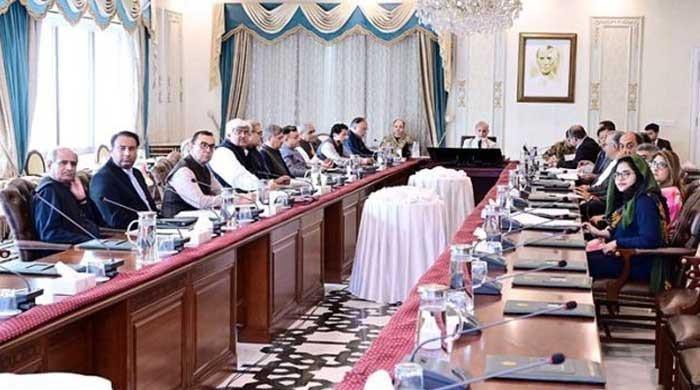
The high-level committee tasked with implementing civil service reforms is sharply divided over the future shape of Pakistan’s bureaucracy, with federal ministers strongly supporting the introduction of a specialist recruitment system, while senior civil servants, mostly from the Pakistan Administrative Service (PAS), are resisting any major move away from the existing generalist framework.
Sources close to the deliberations said the prime minister had been briefed on the internal divisions. If consensus remains elusive, the commission will likely present two separate and competing sets of recommendations on civil service integration and recruitment for the prime minister’s final decision.
The reform proposals stem from the recommendations of the civil service reform committee led by Planning Minister Ahsan Iqbal, which had called for a fundamental restructuring of the Higher Central Services (CSS) examination and recruitment process.
According to the committee’s recommendations, which were forwarded by the cabinet to the implementation committee for the development of an implementation plan for the reforms, the current generalist model should gradually give way to a specialized recruitment system, either through cluster examination or separate examinations for each professional group under the CSS.
Under the proposed model, candidates would be assessed based on clearly defined academic qualifications and subject relevance, with successful candidates posted directly for specific positions rather than being inducted as generalists.
The recommendations draw support from the Pakistan Institute of Development Economics (PIDE) report, which proposes aligning optional subjects with the preferences of service groups. For example, topics related to finance for the Inland Revenue Service (IRS) and criminology for the Pakistan Police Service (PSP).
One of the most debated proposals concerns the language of the exam. The committee suggested allowing candidates to attempt selected compulsory papers such as essay, clarification and composition, Pakistani studies, Islamiyat and current affairs, in English or Urdu during the initial phase.
The proposal is supported by the Federal Public Service Commission’s five-year performance report, which identifies English writing and Pakistani studies as the subjects with the highest failure rate. In the CSS 2022 exam, nearly 99% of candidates failed in both papers, raising serious concerns over whether language proficiency has become a barrier in talent selection.
Sources pointed out that even internationally renowned scholars, including Rhodes and Gates scholars, have failed to qualify the CSS exam due to these language constraints.
The committee further recommended that the option of attempting all CSS subjects in Urdu could eventually be introduced. The reform package also proposes to raise the passing threshold of the MPT (MCQs-Based Preliminary Test) from 33% to 40%, without negative marks. The test may include GRE or SAT style questions to better assess analytical and logical reasoning.
To improve transparency, the committee recommended developing and publishing objective criteria for written and viva voce examinations, as well as scored psychological and psychometric assessments.
Another key proposal calls for the complete digitization of the CSS review process, with the aim of reducing the total recruitment cycle to six months or less.
To address persistent provincial and minority quota shortfalls – particularly in Balochistan and Sindh – the committee proposed positive measures, including additional attempts for candidates from under-represented groups.
However, senior PAS officials on the implementation committee, also headed by Ahsan Iqbal, are opposed to replacing the current Central Allocation System (CAS) and general integration model.
They argue that Pakistan’s administrative structure requires officers with broad experience across sectors, saying the existing system has proven itself and has ensured administrative cohesion since independence.
They say instead of introducing an entirely new specialized bureaucracy, the current system should be refined and strengthened, warning that excessive specialization at the entry level could fragment governance and weaken coordination between ministries.
Ministers believe we need more space for subject matter experts in the civil service and better promotion prospects for specialists to attract professionals and specialists to the civil service. Currently, specialist cadres have to wait more than 15 years for promotion, and the majority of them retire at grade 19 or 20.
The corporate sector takes in professionals and turns them into generalists as they move up the ranks, they said.
Originally published in The News