
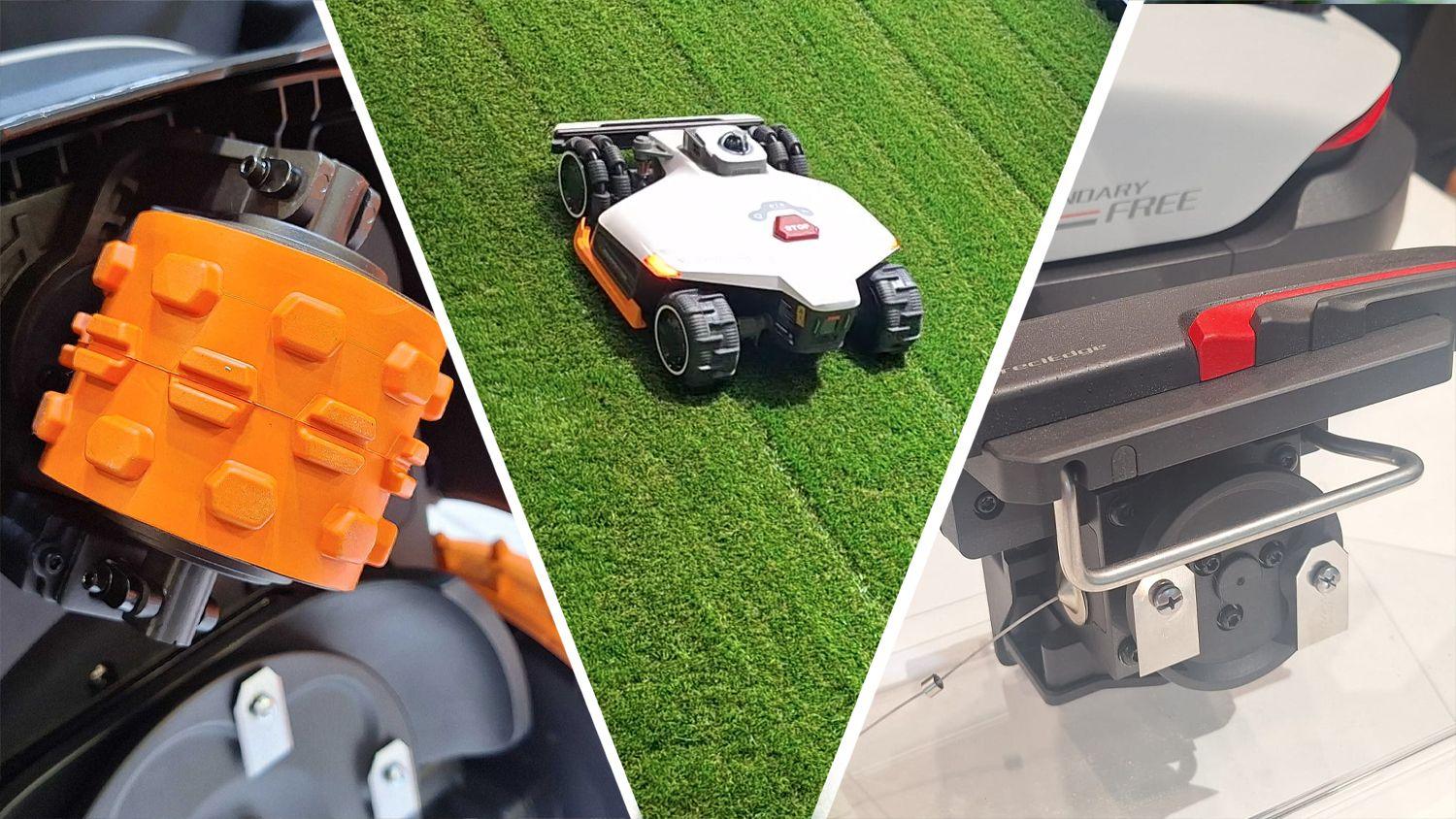
Robot lawn mowers have been around for a while now, but I think 2026 will be the year they truly become mainstream. The move from boundary wires to cordless mowing has removed a major barrier to entry, and lawn robots are now poised to become even more user-friendly.
I saw the new launches from most brands at CES, and three major trends stood out. It’s an exciting time for robot lawn mowers – here are the big updates coming to a yard near you this year.
#1. LiDAR-based navigation
The striking trend is the use of LiDAR for navigation. It’s been the standard in robot vacuums for a few years, and is now making its way into lawn robots. LiDAR works by bouncing beams of light off objects, recording the time those beams take to return, and using that information to create a 3D map of the area.
This means it is perfect for small enclosed yards with many obstacles. It does not require a good satellite signal, it works in enclosed or covered areas and in the dark, and does not require a separate RTK receiver to operate. In some cases, you’ll be able to simply place the lawn robot on a lawn and it will be able to determine its surroundings and start mowing, with no prior mapping or complicated setup required (brands call this “drop and mow”).
Almost every brand of lawn robot I saw at CES featured at least one LiDAR-based model – from the Segway Navimow i2 LiDAR to the Ecovacs GOAT LiDAR, Roborock X1 LiDAR and Anthbot M5 LiDAR. Mammotion’s approach is to combine different navigation methods – including LiDAR – so that if one fails, another can take over.
This is particularly smart, because LiDAR isn’t ideal for all scenarios: in large, open spaces, there’s nothing for light to bounce off, so satellite navigation is the best option. However, for smaller yards, it’s perfect – and in this situation, it removes a big barrier to entry. This could really be a game changer.
#2. All-wheel drive
All-wheel drive (AWD) lawn robots were another major trend. This configuration has several major advantages. The first is that it allows the robot to tackle really difficult and uneven terrain. Just like a four-wheel drive car, having each wheel powered individually provides more traction and grip. This means that if one, two, or even three wheels end up flying off the ground, the robot still has the option of getting out of the situation.
The other big advantage of all-wheel drive is that it can be gentler on the lawn. If the wheels can move independently, there is less chance of stirring up the grass when the robot needs to pivot. An interesting example in this area is the Segway Navimow i2 AWD. This is a compact, three-wheeled lawn robot, so it’s not intended for really rough terrain. Instead, all-wheel drive is designed to protect the grass in small gardens: the front wheel can turn 180 degrees to guide the robot through hairpin turns (the ones needed to make perfect stripes) without dragging on the turf.
3. Trimmer modules
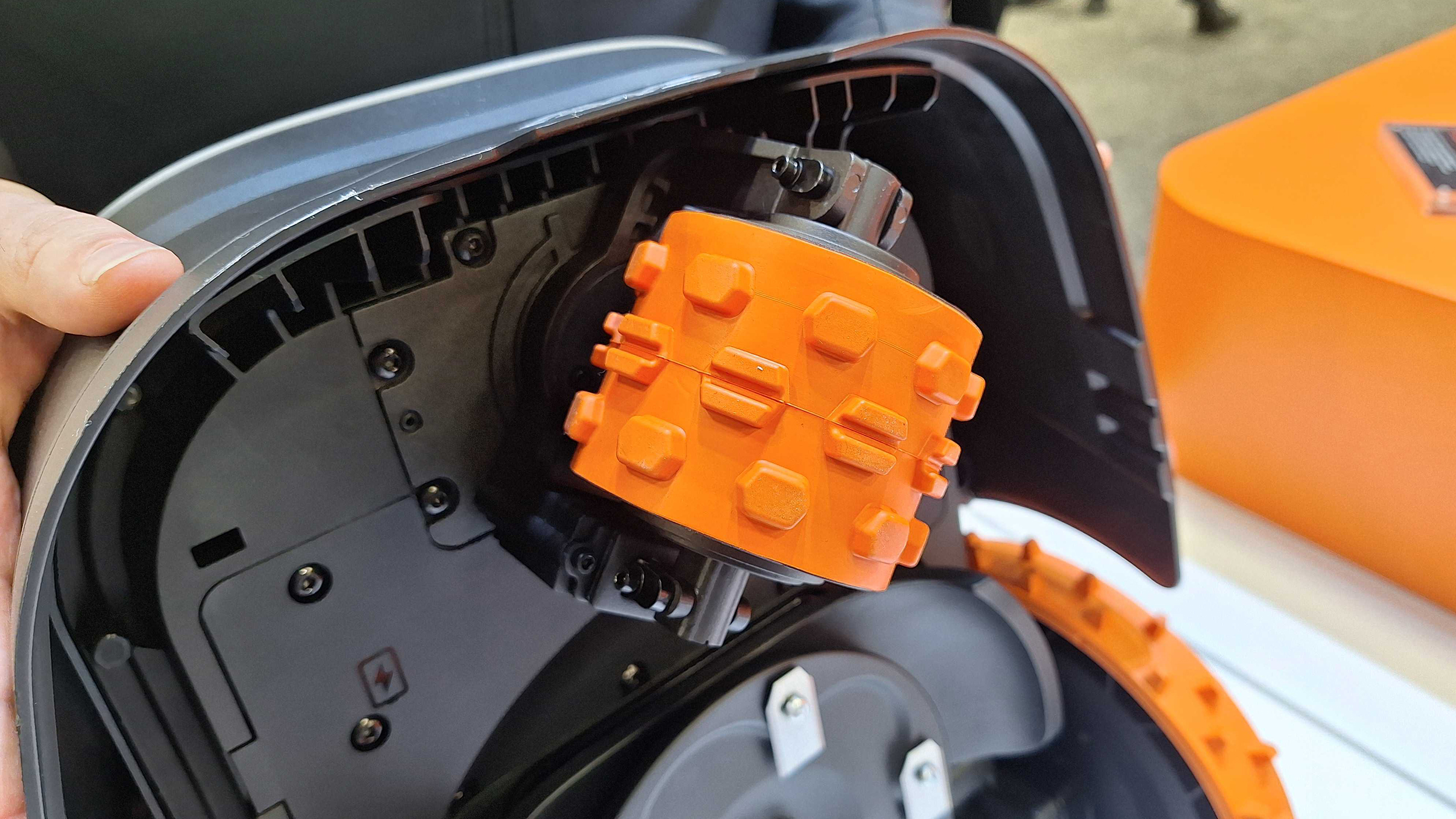
The big disadvantage of robot lawn mowers is that, traditionally, they can only get very close to the edges of a lawn. This means you will still need to use a trimmer afterwards to clean up the perimeter. Lawnbot brands, however, are starting to find ways to solve the problem. Most of the new models I saw at CES came with some sort of trimmer module, either optional or built into the main machine as standard. This module includes smaller blades to complement the main cutting deck and is designed to cut precisely, right to the edges of a lawn.
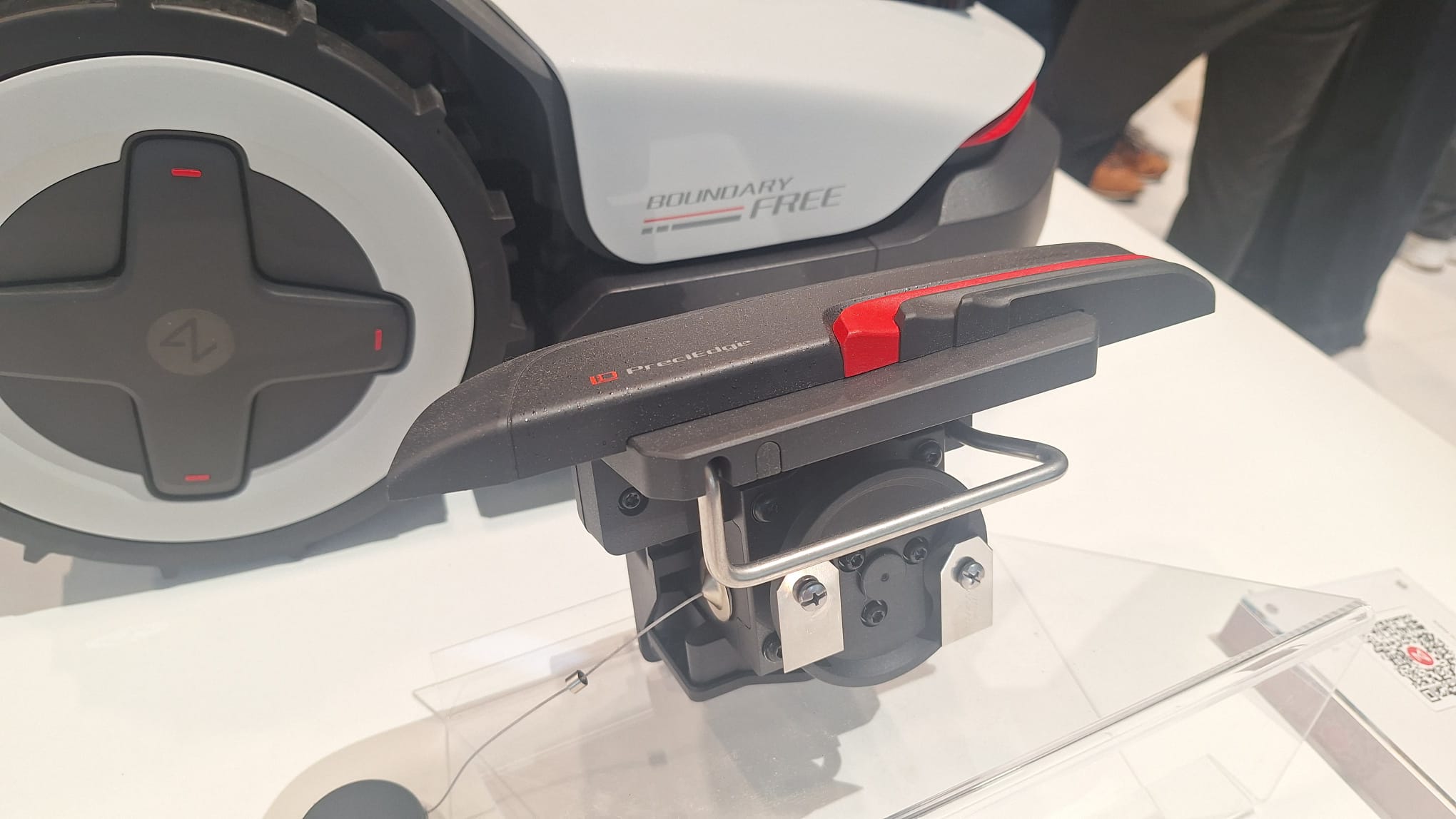
These types of additions rely in part on strong object recognition. Fortunately, that has also come a long way. Many modern lawn robots deploy camera vision, often enhanced by AI, to reliably and accurately identify obstacles so they know what to mow and what to avoid.
Follow TechRadar on Google News And add us as your favorite source to get our news, reviews and expert opinions in your feeds. Make sure to click the Follow button!
And of course you can also follow TechRadar on YouTube And TikTok for news, reviews, unboxings in video form and receive regular updates from us on WhatsApp Also.


