
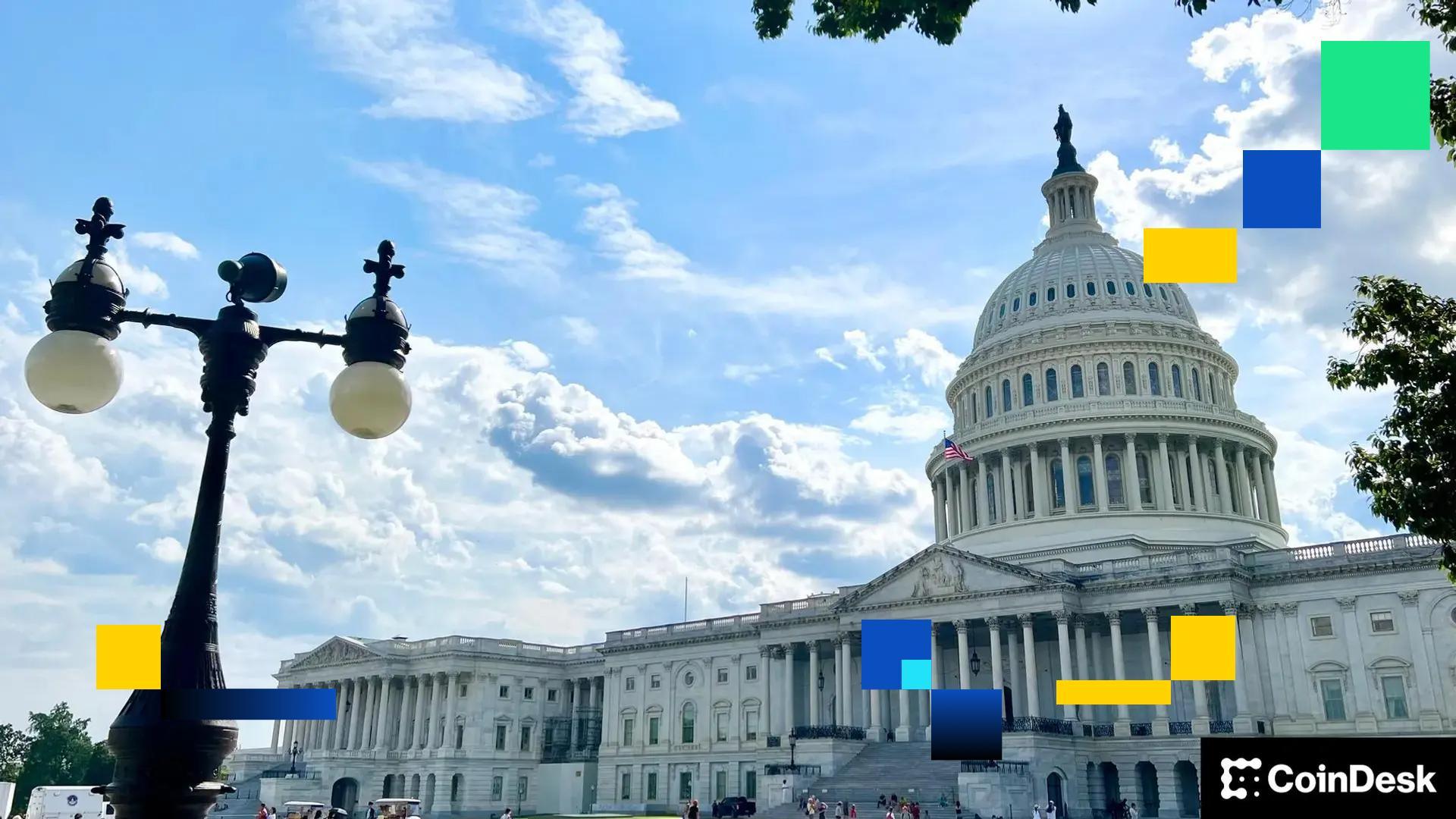
Citi (C) said the CLARITY Act remains the primary catalyst for legitimizing digital assets in the United States, but progress is being slowed by negotiations over its most controversial provisions.
Even though the Senate Agriculture Committee has advanced its version of the bill, the bank noted that the Banking Committee still controls the most difficult issues, leaving deadlines uncertain.
Lawmakers are expected to continue working even during a possible shutdown, with target dates in the coming months still achievable, although there is a growing risk that negotiations will delay final adoption beyond 2026.
“We view the passage of the CLARITY Act as a critical catalyst for advancing/legitimizing digital assets,” analysts led by Peter Christiansen said in Friday’s report.
The crypto market structure legislation aims to define who regulates digital assets in the United States, how tokens are classified, and what activities fall under securities or commodities law. The framework is key to giving crypto companies and investors legal clarity, reducing regulatory overlap and bringing activity back to the country after years of enforcement-focused oversight that drove companies overseas.
Supporters of the bill argue that clear rules will unlock institutional adoption, encourage innovation and reduce offshore risks, while critics warn that poorly drawn lines could stifle decentralized technologies.
Analysts have flagged definitions of decentralized finance (DeFi) as the biggest hurdle, with debate focused on defining when decentralized protocols, software, and developers become regulated service providers.
An overly restrictive framework could weigh on Web3 development, decentralized exchanges, derivatives, stablecoin yield and Layer 2 networks, with any compromise likely to rely on custody and oversight rather than pure software neutrality, analysts said.
Analysts also said they see more room for compromise on stablecoin rewards, suggesting options such as time-limited returns or alternative incentive structures, even as banks warn of regulatory arbitrage and crypto companies argue that rewards are key to adoption. Citi said the issue did not compromise its long-term vision for cross-border, business-to-business use of the stablecoin.
Regarding tokenized stocks, the report says that fears of circumventing traditional market infrastructure have sparked resistance, but potential workarounds include clearly classifying tokens as securities, keeping distribution within existing rails, using hybrid settlement models, or launching an SEC pilot. Such approaches could support innovation without disrupting the securities value chain, the report adds.
Coinbase’s (COIN) decision to end its support for U.S. market structure legislation will not derail the process, investment bank HSBC said in a report earlier this week, suggesting that while the exchange’s CEO Brian Armstrong prefers no bill to a bad bill, he would likely agree to a reasonable compromise.
Learn more: Opposition to Coinbase won’t block US crypto market structure bill, says HSBC


