NEWYou can now listen to PK Press Club articles!
Since their inception, name, image and likeness (NIL) agreements have completely transformed not only the way college sports operate, but professional sports as well.
College players, knowing they can stay in school for an extra year and make good money, don’t need to turn professional to make money. Former NFL agent Ben Dogra cited Oregon quarterback Dante Moore returning to college instead of declaring for the NFL draft as something that might not have happened in a pre-NIL era.
“I think it still remains to be seen because it’s still relatively new, but I think based on what happened with the Oregon quarterback, Moore is staying in school. I never would have imagined that a player who could possibly go in the top 10 in the draft, let alone top five, would actually stay in school with the amount of money he’s willing to risk,” Dogra told PK Press Club Digital in a recent interview.
CLICK HERE FOR MORE SPORTS COVERAGE ON PK Press Club
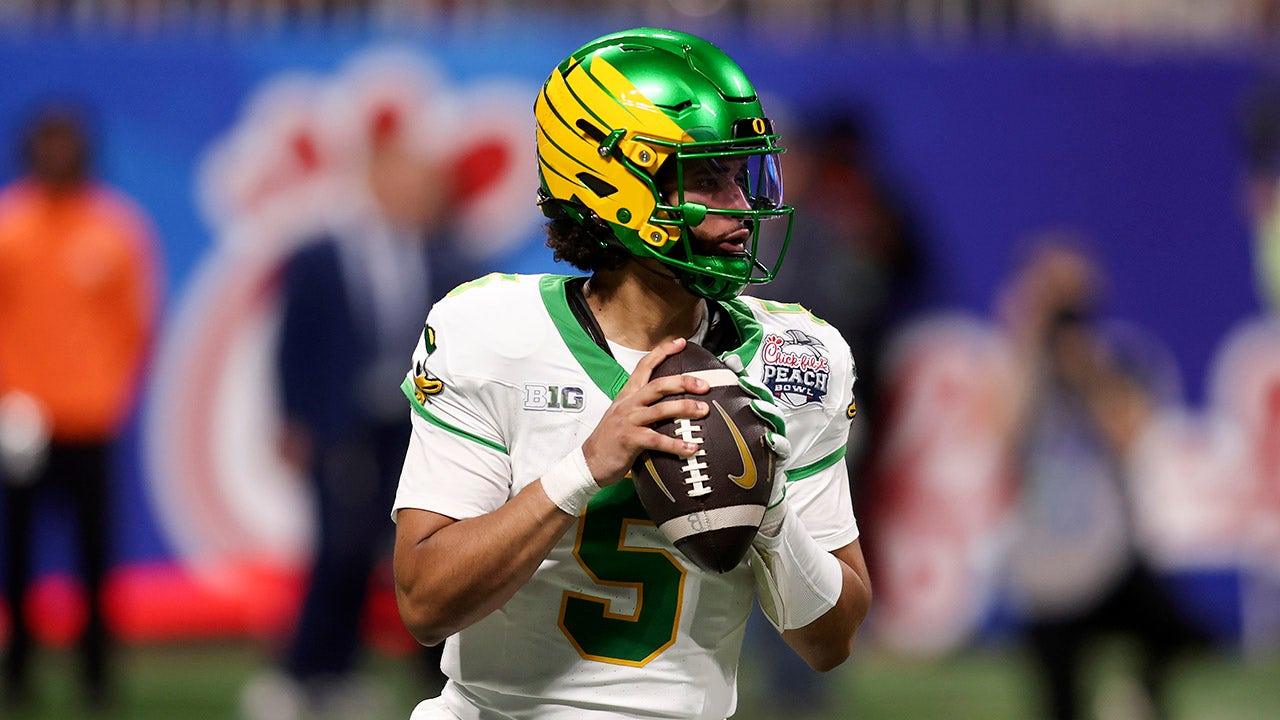
Oregon Ducks quarterback Dante Moore (5) looks to pass against the Indiana Hoosiers in the first half of the Chick-fil-A Peach Bowl, a College Football Playoff semifinal game, at Mercedes-Benz Stadium in Atlanta, Georgia on January 9, 2026. (Brett Davis/Imagn Images)
Moore was projected in some mock drafts to go as high as No. 2 overall to the New York Jets before deciding to return. Dogra was unsure of the extent of the NIL agreement Moore signed to stay with Oregon, but believed it influenced his decision.
“I know it’s an individual decision, but with NIL and when you look at Oregon and you see one of their biggest donors in (Phil) Knight from Nike, I don’t know what was promised or what was done, but I think it was important enough (to have) allowed the young man to think, wait a minute, I don’t want to go out, like he did, throwing a pick six and they think they have a chance to win a national championship,” Dogra said.
Dogra said he expected players projected in the third and fourth rounds, maybe the second round, to return to school, but not someone expected to go as high as Moore. He said some players would make more money returning to school than declaring for the NFL draft if they were projected as a mid-round pick.
“And some players want to stay in college,” Dogra said. “Because they’re making more money than if they were drafted. That’s right. I mean, that’s the vast majority because there’s only 32 first-round picks, whether you like it or not. That’s all. And then you have 32 second-round picks. That’s where the money is. Once you start getting to the third round, he’s a functional starter. This could be a very good player. But that’s where you fill out your roster and hope to steal those players in the third and fourth rounds. »
NCAA INVESTIGATES AFTER DABO SWINNEY RAISES ACCUSATIONS OF TRANSFER PORTAL tampering against OLE MISS
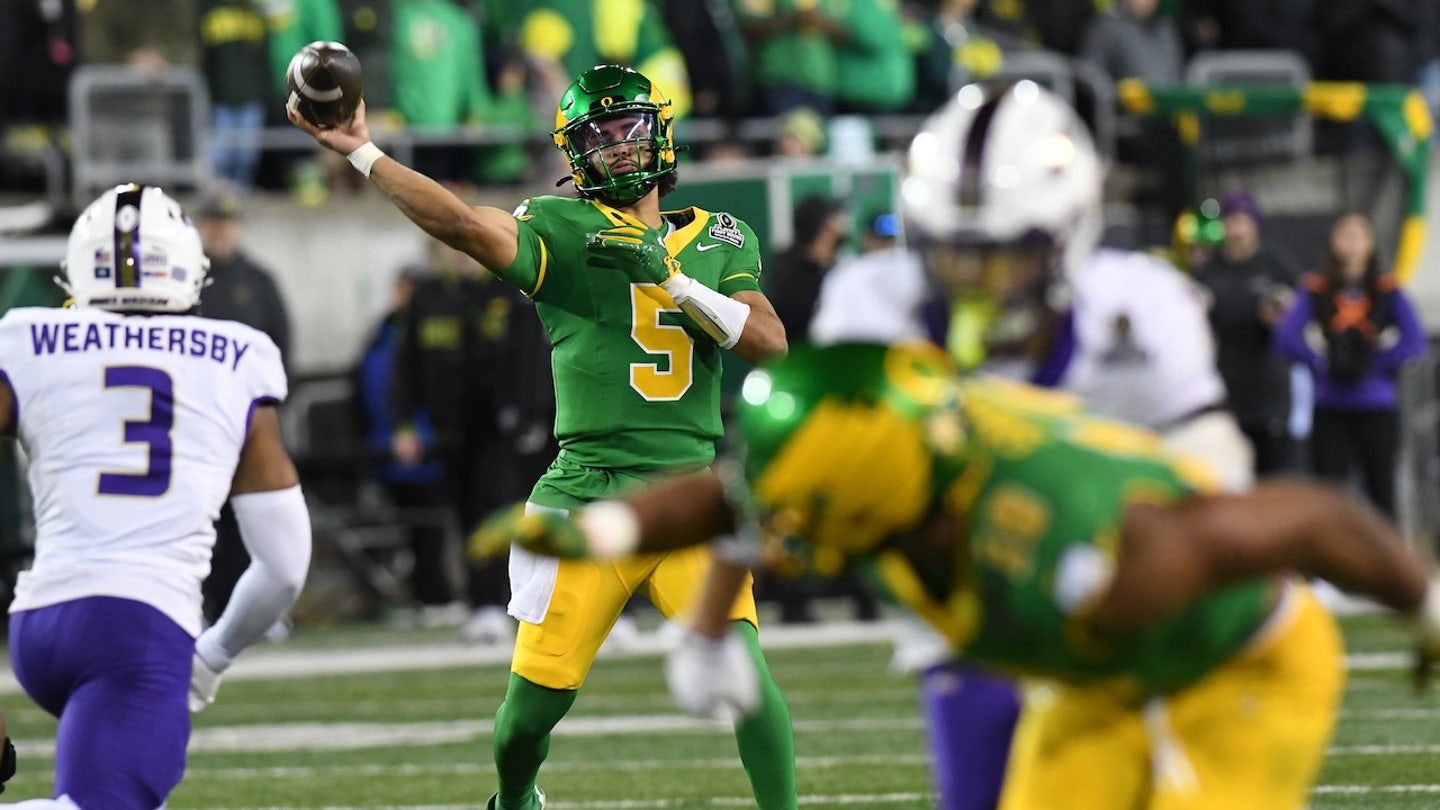
Oregon Ducks quarterback Dante Moore (5) passes for a 20-yard touchdown in the second quarter during the first round of the College Football Playoff against James Madison at Autzen Stadium in Eugene, Oregon, December 20, 2025. (Brian Murphy/Sportswire Icon via Getty Images)
Dogra cited current Miami Dolphins quarterback Quinn Ewers as someone who chose to enter the NFL draft instead of leaving Texas and extending his college career.
“Test cases don’t exist, but Quinn Ewers is a good example. All-American. He had to leave Texas because the commitment was to Arch Manning and instead of going to another school, which I think they reported was going to make about $7 million in NIL, he chose to go to the draft. He’s not going to make $7 million where he was drafted.”
Ewers was drafted in the seventh round of the 2025 NFL Draft and signed a four-year, $4.3 million contract. Not only will Ewers make less, Dogra said, but he could leave the NFL sooner because of the timing of his drafting.
“In four years, he could be out of the league because you don’t have the same number of chances as a late-round pick as a first-round pick. First-round picks give you every chance to succeed because the general manager is going to let you be on this team for three years or he gets fired, right?” Said Dogra.
MIAMI STAR LINEBACKER OBSERVES RETURN FOR 8TH COLLEGE FOOTBALL SEASON: REPORTS
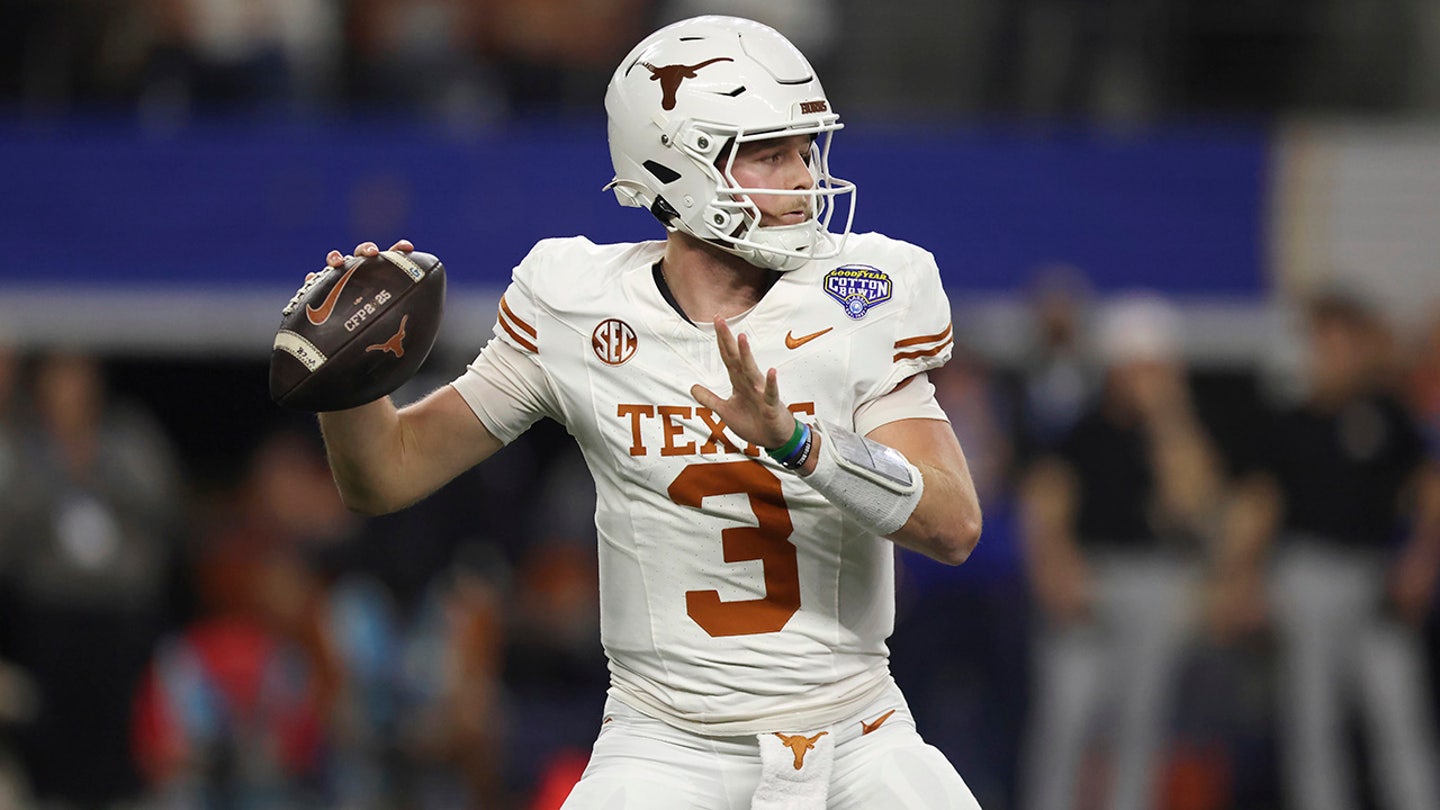
Texas quarterback Quinn Ewers (3) passes against Ohio State during the first half of the Cotton Bowl College Football Playoff semifinal game in Arlington, Texas, January 10, 2025. (AP Photo/Gareth Patterson)
Dogra said not only will NIL affect who stays and leaves in college football, but even when agents contact players now. In the pre-NIL era, college athletes were only allowed to recruit agents after their final college game.
Dogra said that while this rule remains in effect, there are different dynamics in agent-player interaction.
“Now it’s a different dynamic. While that rule remains in place with NIL, you see agents and marketers get these players a lot quicker than you would have imagined. It’s almost like hockey. So now you’re going after these players in high school. So if you go after them in high school, how are you going to get that information out about how well this player translates in five or six years? So it’s really Russian roulette,” Dogra said.
With contact between players and agents earlier than ever in their careers, Dogra said agents must weigh different options for how they want to maintain the relationship.
CLICK HERE TO DOWNLOAD THE PK Press Club APP
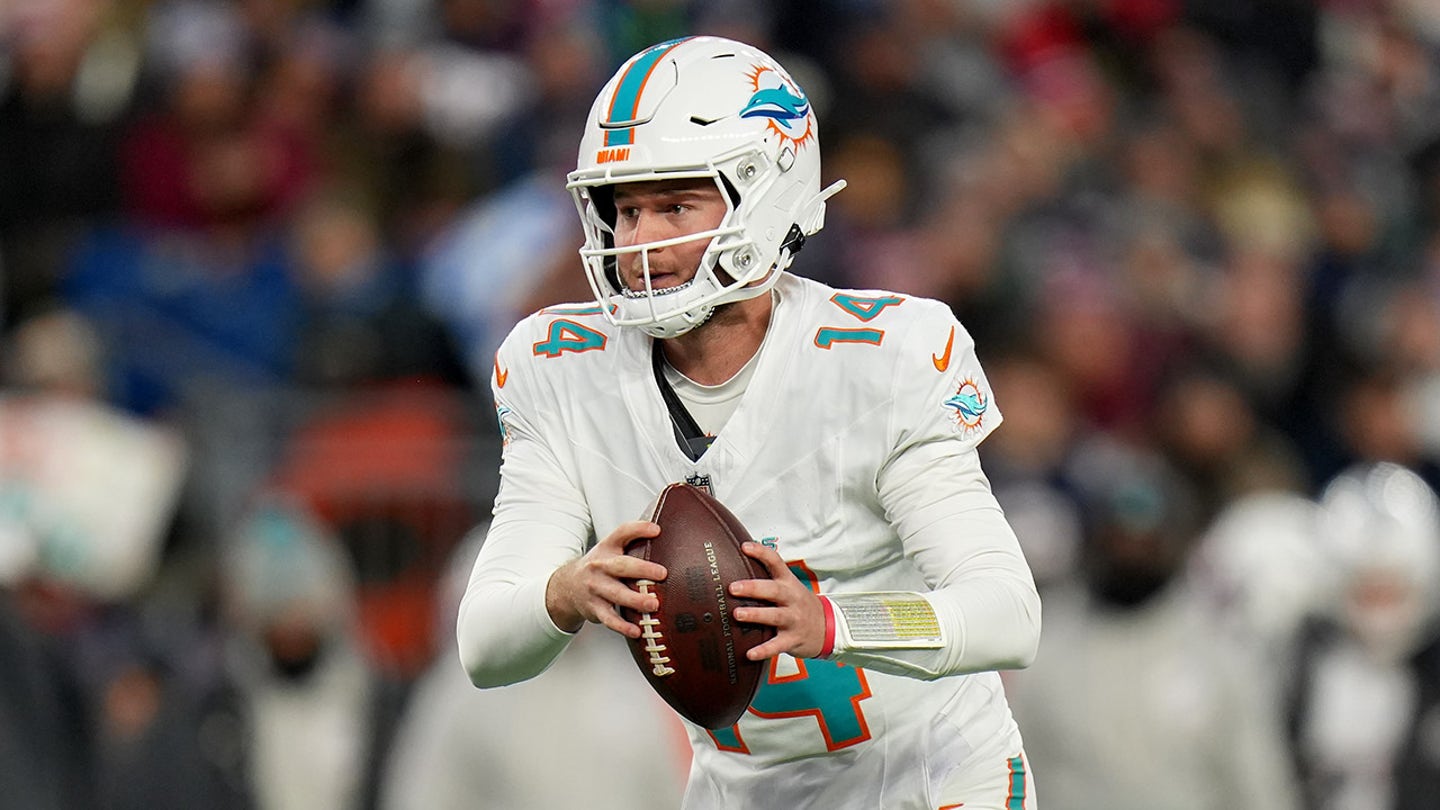
Miami Dolphins quarterback Quinn Ewers (14) looks to hand off the ball to a teammate against the New England Patriots during the first quarter at Gillette Stadium in Foxborough, Massachusetts on January 4, 2026. (David Butler II/Imagn Images)
“It’s the Wild West, like I say, because if you go early and you cultivate that relationship, you might become stale and old. And if that happens, you’re not going to draft the player. That’s what happens. But on the other hand, if you develop that relationship early and that player is successful and you build that credibility, you’ll now be in the driver’s seat when he’s eligible and it’ll be very difficult for other people to break down that door. So it can range from anyway. But it’s a lot more work, it’s a lot more uncertain,” Dogra said.
“It’s going to be very dangerous and risky for agents. It looks good. But a lot of these agents are going to lose players because recruiting is selling. That’s it. And if you undersell and overperform, you’re going to keep the player. But (the) trend in recruiting is very simple. You oversell and underproduce because you’ll move on to next year’s guy. And with this transfer portal, you just don’t know. There’s no continuity. more.”
Dogra has represented Adrian Peterson, Patrick Willis, Mario Williams and Richard Sherman during his career.