
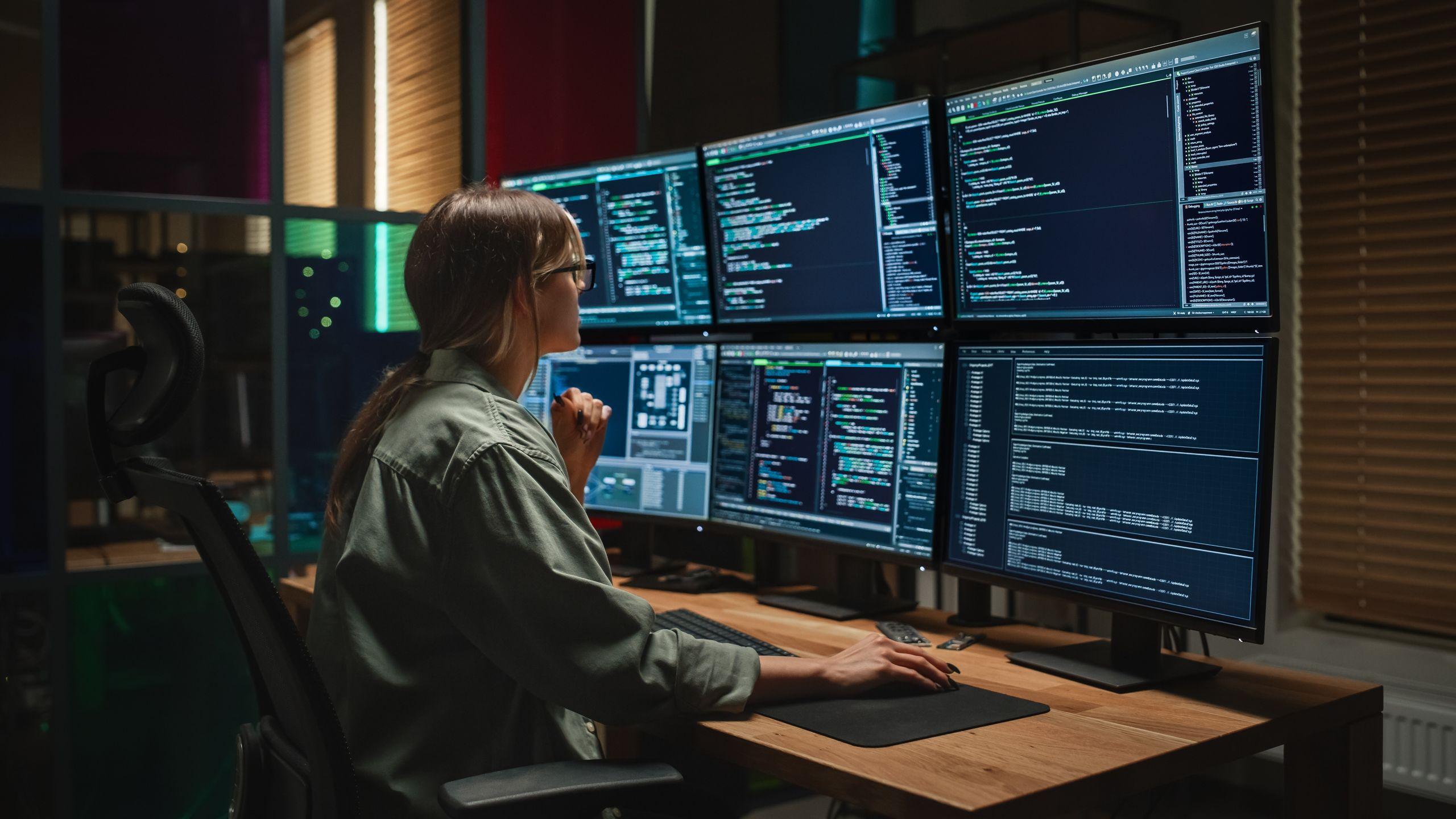
- Cursor reports that Nvidia engineers are now validating three times more code than before
- Nvidia Maintains Defect Rates Remained Stable Despite Reported Production Increase
- AI-assisted workflows contributed to DLSS 4 and smaller GPU chip sizes
Nvidia has deployed generative AI tools to a large portion of its engineering staff, with Cursor integrated into daily development workflows.
The company says more than 30,000 engineers now rely on this setup, with internal claims indicating three times the code output of previous processes.
This claim has attracted attention in part because volume-based metrics have long been treated with caution in software engineering.
Productivity Claims Versus Engineering Reality
This deployment is an operational change affecting core software, including GPU drivers and infrastructure code that supports games, data centers, and AI training systems.
These products are widely considered mission critical, where errors can have visible and sometimes costly consequences.
Nvidia says defect rates have remained stable despite increased production, suggesting internal controls and testing requirements remain in place.
Driver code, firmware, and low-level system components typically undergo extensive validation before release, no matter how quickly they are written.
This approach is not new, as Nvidia previously relied on AI-assisted workflows, including internal systems used to improve DLSS across multiple generations of hardware.
Some of Nvidia’s recent results are cited as examples of AI-backed developments producing tangible results.
DLSS 4 and GPU chip size reduction relative to comparable designs are often cited as outcomes related to broader use of internal optimization tools.
These examples suggest that AI assistance, when applied in tightly controlled environments, can contribute to measurable improvements.
At the same time, Nvidia’s software stack has faced criticism in recent years, with users highlighting driver regressions and issues with updates across the industry.
Cursor also claims that coding is “a lot more fun than it used to be,” but that comes with productivity numbers that remain difficult to assess independently.
Lines of code committed over a period of time have never been a reliable indicator of software quality, stability, or long-term value.
The true quality of software is best measured in terms of its stability, maintainability, and impact on end-user performance, and production volume alone says little about it.
Nvidia also benefits commercially from promoting AI-driven development, given its central role in providing the hardware behind these systems.
In this context, skepticism towards messaging and metrics is expected, even if the underlying tools offer real efficiencies in specific, tightly managed scenarios.
Follow TechRadar on Google News And add us as your favorite source to get our news, reviews and expert opinions in your feeds. Make sure to click the Follow button!
And of course you can too follow TechRadar on TikTok for news, reviews, unboxings in video form and receive regular updates from us on WhatsApp Also.


