
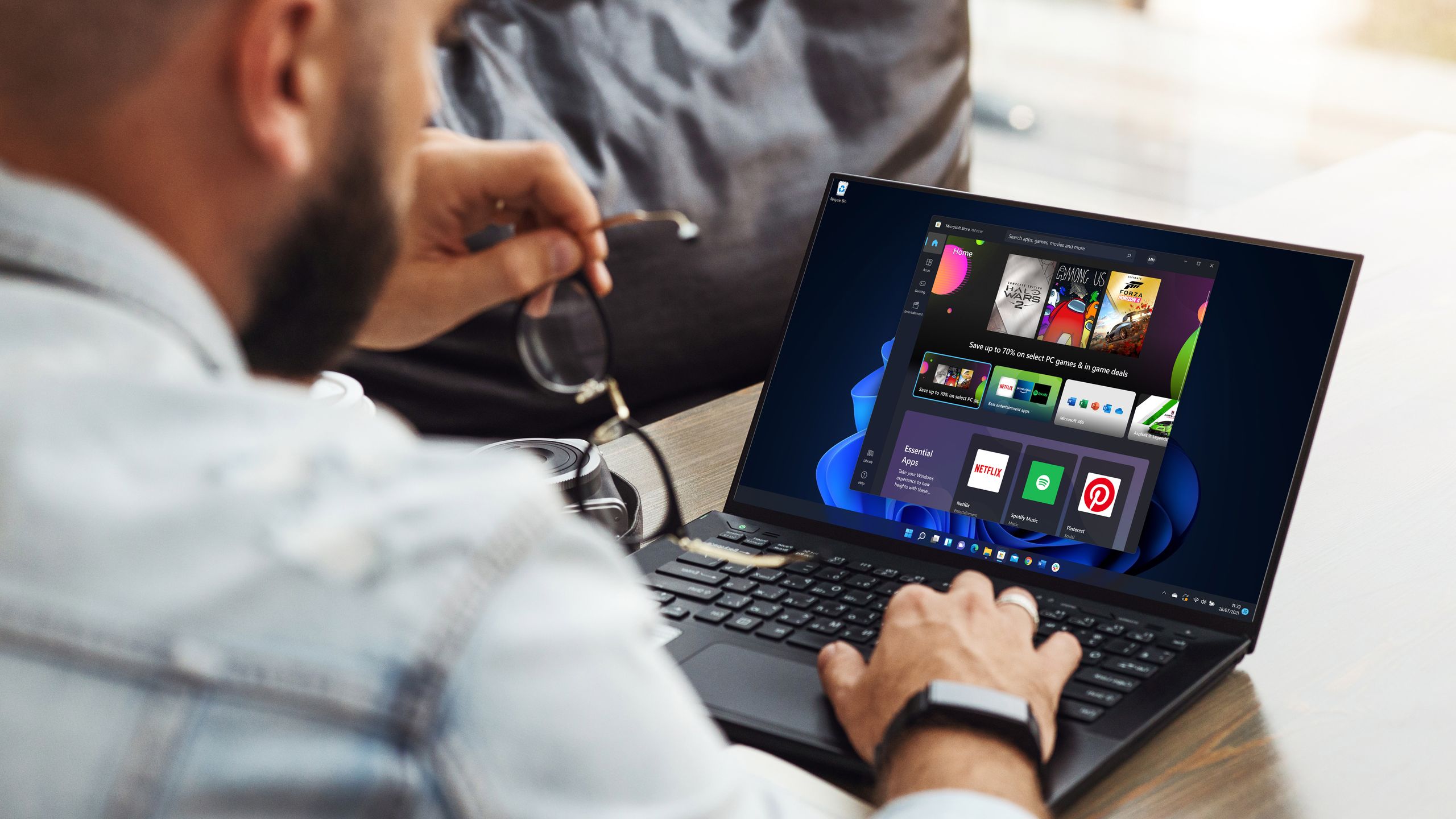
- Microsoft will strengthen the security levels of Windows 11
- A “Windows Basic Security Mode” means that only properly signed applications and drivers will be allowed to run.
- A permissions system for applications will be implemented in the same vein as what we currently see on smartphones.
Windows 11 is about to get stricter levels of security, with Microsoft offering a stronger base level of defense and an app-by-app permission system of “allow access” prompts that will be familiar to users of the best Android phones and the best iPhones.
Windows Latest pointed out that Microsoft has just published a blog post explaining the ways in which it will strengthen the security of Windows 11.
Microsoft describes the problem as follows: “[Windows 11] Users are increasingly seeing apps override their settings, install additional software, or modify core Windows experiences without their knowledge or consent.
“And your feedback is clear: Windows must both remain an open platform and be secure by default, protecting the integrity of your experience regardless of installed applications. Our developers and ecosystem partners echo this need.”
There is a line here between convenience and security, which Microsoft is indeed seeking to move a little towards the latter. While it’s all well and good to not be hit by security prompts and be able to install whatever you want (from anywhere) without operating system interference, the software giant clearly feels it has erred too far on that side of the equation and wants to rebalance in favor of stricter defenses.
One of the central pillars of Microsoft’s action is a “Windows Basic Security Mode” in which various protections will be activated by default. The result is that Windows 11 will only allow properly signed (Microsoft certified) applications and drivers to run.
There are ways to get around this protection – if you have existing applications, for example, that are unsigned and you know they are safe. But by default, Windows 11 will not allow using unsigned apps to better protect users.
The other big progress here is improving transparency and user consent, i.e. app permissions. As noted at the start, Microsoft is moving towards a smartphone security model in which apps must obtain permission before accessing your camera or microphone, for example – you have to actively “allow” this. The idea is to prevent apps from sneakily accessing your webcam or other hardware.
Likewise, if an app attempts to stealthily install other software – something malicious or unwanted – user permission will be required.
Analysis: paving the way for AI agents
While this isn’t a concrete vision of the future of security in Windows 11, the blog post makes it seem like this is all happening, although it will take time and “roll out in a phased approach.” Microsoft also emphasizes that it will take into account feedback over time in order to refine these concepts.
Although more permission requests on the Windows 11 desktop might seem a bit tedious at first glance, a tighter level of security is a good idea in many ways. Especially since Windows is by far the most popular desktop operating system, users are targeted by a lot of malware. (Don’t make the mistake of thinking Macs are invulnerable to malware, mind you, especially not these days).
There’s something else going on here as an undercurrent, in my opinion, which is that this is all about building confidence in Windows 11 ahead of the release of AI agents in the operating system.
Arguably, confidence in Windows 11 is at an all-time low as more and more bugs creep into the operating system – and Microsoft has already promised to do better in this regard (as well as tackling slow performance in certain areas of the operating system).
How can Microsoft expect people to give AI agents free reign over their files and trust these entities if Windows 11 can’t be kept even remotely bug-free with basic parts of the interface? This is a major issue that Microsoft needs to address, and this security work likely helps resolve these trust issues and restore Windows 11’s reputation so that it is seen as a more robust and reliable platform.
Notably, Microsoft mentions AI agents in the blog post, observing that: “Applications and AI agents will also need to meet higher transparency standards, giving users and IT administrators better visibility into their behaviors. These updates raise the bar for security and privacy on Windows, while giving you more control and confidence in how your system and data are accessed.
I think the mentioned reputation recovery is essential work to ensure Windows 11 is on good footing going forward, and at least Microsoft seems to recognize this – and take it very seriously.
Ultimately how this will play out in implementation, and while “raising the bar” in this way, as Microsoft describes it, is a good idea to ensure more security for Windows 11 users, the danger is that if the “bar” hinders a smooth computing experience in the operating system, it could end up being a source of frustration.

The best laptops for every budget
Follow TechRadar on Google News And add us as your favorite source to get our news, reviews and expert opinions in your feeds. Make sure to click the Follow button!
And of course you can also follow TechRadar on YouTube And TikTok for news, reviews, unboxings in video form and receive regular updates from us on WhatsApp Also.


