
The plan imposes strict urban controls, biometric monitoring, increased patrols, video surveillance systems, gates and floodlights.
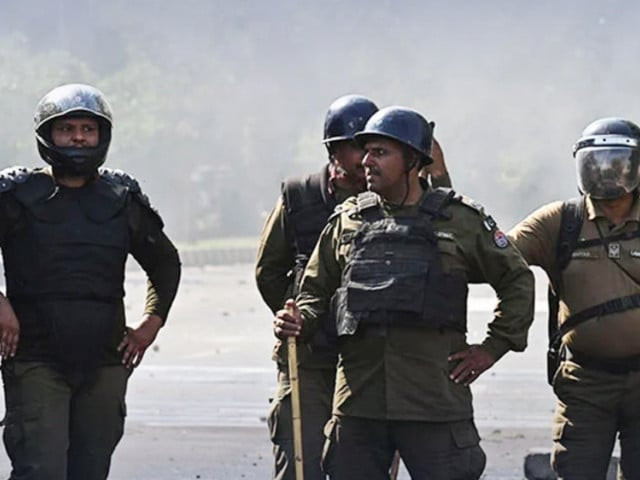
Punjab Police. PHOTO: FILE
The Punjab Home Department on Friday issued detailed security guidelines for the upcoming month of Ramazan, prioritizing the protection of Ramazan mosques, religious sites and markets across the province.
Under the guidelines, authorities have been directed to take strict action against hoarders and profiteers, regulate the use of loudspeakers in accordance with the Punjab Sound Systems Act, impose a ban on public display of weapons and closely monitor social media to curb hate speech and provocative content.
Offensive wall chalking and posters will be removed under the Punjab Wall Chalking Act. Public consumption of food and beverages during fasting hours will remain prohibited as per the Ramazan Observance Ordinance, 1981.
According to the guidelines, enhanced security will be provided at mosques, madrassas, imambargahs and markets in Ramazan, with additional personnel deployed at places of worship. Security measures will be increased during Sehri, Iftar, Taraweeh and Friday prayers.
The plan includes strict controls at entry and exit points to the city, the deployment of biometric systems, increased patrols around religious sites and expanded search operations. CCTV cameras, gantries and floodlights must be installed before the start of Ramazan.
Three-tier security arrangements, including barriers and barbed wire, will be in place at key locations during Friday and Taraweeh prayers, with entry and exit routes monitored and secured.
Special Iftar arrangements will be made for security personnel on duty, while the deployment of volunteers and private security guards will be coordinated with local administrations.
The department also ordered strict monitoring of banned organizations and individuals listed in the Fourth Schedule, with close coordination between law enforcement and intelligence agencies.
Senior officers of the Punjab Police have been tasked with personally supervising the security arrangements. District and divisional intelligence committees have been directed to meet immediately, while compliance monitoring committees will submit regular reports on the implementation of security plans.
The guidelines further emphasize engagement with leaders of all religious communities, completion of mosque mapping and geotagging in all districts, and formation of mosque management committees comprising local notables and residents under the supervision of deputy commissioners.
Emergency services, including Rescue 1122, firefighters, bomb disposal teams, ambulances and medical personnel, must remain fully operational. The offices of Deputy Commissioners will establish district control rooms linked to the central control room of the Ministry of Interior to ensure coordinated implementation of the security plan.
The Punjab Home Department said all available resources would be used to ensure a peaceful and secure Ramazan across the province.


