
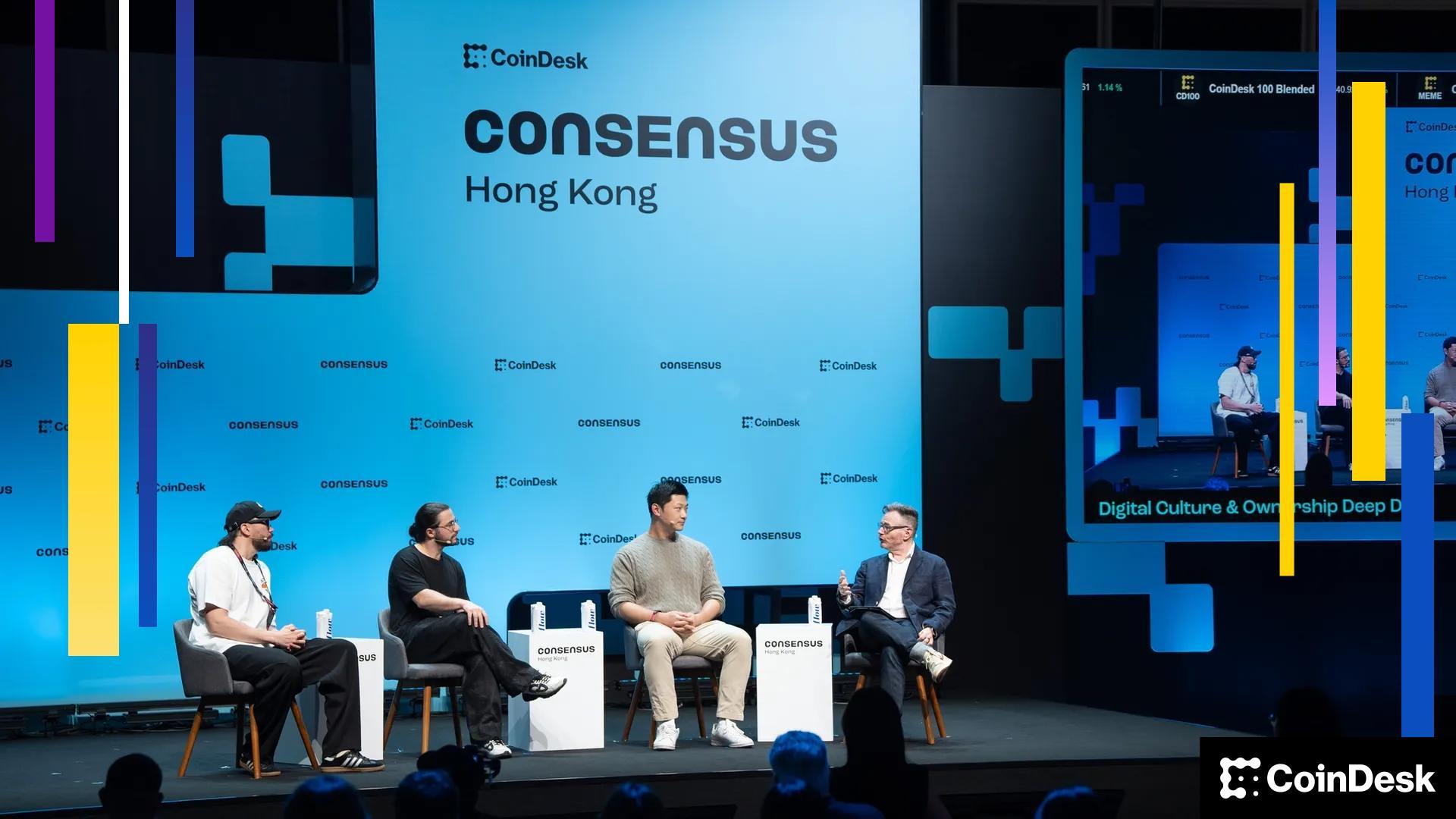
Prediction markets are increasingly being presented not as gaming platforms but as vehicles to monetize information, although the founders acknowledged that the line may blur depending on user intent during the Hong Kong 2026 Consensus.
Ding X, founder of Predict.fun, argued that prediction markets are more like insurance underwriting or poker than roulette. “It’s more about information exchange and attempts to hedge risk than gambling,” he said, distinguishing skill-based predictions from games where long-term odds guarantee losses.
Farokh Sarmad, co-founder of DASTAN, acknowledges that speculation exists, but describes the sector as “a multi-trillion dollar asset class in the making”. Prediction markets, he says, “simply finance information,” allowing participants to monetize their knowledge rather than leaving the value solely to media companies or bookmakers.
Jared Dillinger, CEO of New Prontera Group and a former professional athlete, said the classification largely depends on how the platforms are built and used. “It just depends on the eye of the observer,” he said, adding that prediction markets operate as “an information asset class,” even if some users approach them like betting.
The most pressing challenge concerns insider trading. High-profile examples – from leaked entertainment playlists to geopolitical developments – have highlighted the risk of information asymmetry.
“Inside information is not acceptable,” Sarmad said, emphasizing that blockchain transparency can make suspicious wallets visible. Still, Dillinger acknowledged the app’s limitations. “There will always be loopholes that people find.”
As trading volumes increase and regulators take notice, the founders agreed that monitoring tools, clearer disclosure standards and stronger platform governance will determine whether prediction markets evolve into a recognized financial category or remain considered speculative betting.


