
KARACHI:
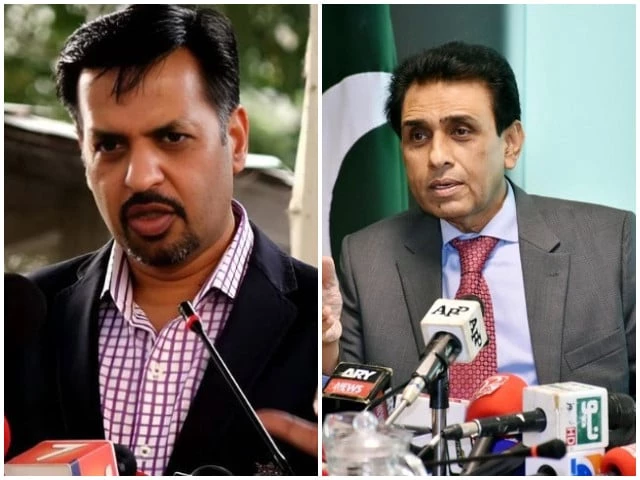
The two factions of the Muttahida Qaumi Movement-Pakistan (MQM-P) have grown even further apart, with political observers suggesting that the groups led by Mustafa Kamaml and Khalid Maqbool Siddiqui have now virtually separated from each other.
However, senior party leader Anees Qaimkhani said differences of opinion may arise but Muttahida remains united.
A faction of the MQM-P led by Mustafa Kamal held a rally in Liaquatabad on Saturday, while the other faction led by Khalid Maqbool Siddiqui held a meeting at the Governor’s House at the same time to demonstrate their political and parliamentary stance.
The Bahadurabad group, led by MQM-P President Dr Khalid Maqbool Siddiqui, includes his powerful allies Dr Farooq Sattar and Sindh Governor Kamran Tessori.
On the other side is Federal Health Minister Mustafa Kamal’s group, which includes Anees Qaimkhani as well as workers and assembly members who were elected on the ‘kite’ symbol of MQM Pakistan but are now aligned with Mustafa Kamal’s camp.
The division within the MQM-P has persisted for several months, with differences between Mustafa Kamal and the Bahadurabad group emerging soon after their merger in January 2023. Tensions escalated when former Pak Sarzameen party activists reached the Bahadurabad headquarters and chanted slogans against the Sindh governor and some Bahadurabad leaders.
The rift deepened in February 2025 when Mustafa Kamal and Anees Qaimkhani left the official WhatsApp group of MQM-P and ceased their political activities at the temporary center in Bahadurabad.
For more than six months, leaders, workers and lawmakers from both sides have held separate news conferences. Although neither faction has officially announced its split, both have aired their grievances against each other in unofficial meetings. Anees Qaimkhani says he is a senior leader of the party and that the MQM-P has launched a public protest and awareness campaign in Karachi against the Pakistan People’s Party, which he says has dominated the city for seventeen years and committed continuous injustices against its residents.
Asked about the differences within Muttahida, Qaimkhani said that as politicians, differences of opinion can arise anywhere and they believe in resolving disagreements behind closed doors.
In response to a question on why Khalid Maqbool or Farooq Sattar were not present at his rally, he said the entire leadership could not gather at one place; some attended the Governor House program while others joined the Liaquatabad rally.
MQM Pakistan leader Ameenul Haq said that during the ‘Future of Karachi’ program organized at the Governor House, people from various walks of life came together to discuss the city’s problems and their solutions.
Another MQM-P leader said the Liaquatabad rally was actually a PSP event and had no connection with the MQM.
Sources say that one of the main reasons for the rift between the two factions of the MQM is the Pakistan People’s Party (PPP). Following the Gul Plaza tragedy, the Mustafa Kamal group had planned a protest in Karachi against the PPP on January 31. However, Bahadurabad group leader Farooq Sattar visited Islamabad and after meeting PPP leaders and middlemen, the protest was called off. The differences between the factions are now on full display, but party activists appear to be the most affected. Many workers consider Anees Qaimkhani and Khalid Maqbool as their leaders, leaving them stuck in the middle of the conflict.
Recently, Malir city workers handed over the keys to their unit and sector offices to Khalid Maqbool, reflecting internal uncertainty. They were also unsure whether to attend the Liaquatabad rally or stay away.
Karachi’s 31 towns, formerly known as sectors, fall under the Central Organizing Committee (COC). Workers in these towns say the division has spread from the leadership down, with some aligning with Anees Qaimkhani and others with Khalid Maqbool. A worker in Nazimabad North town urged leaders to resolve their conflicts or formally part ways, allowing workers to decide who to follow.


