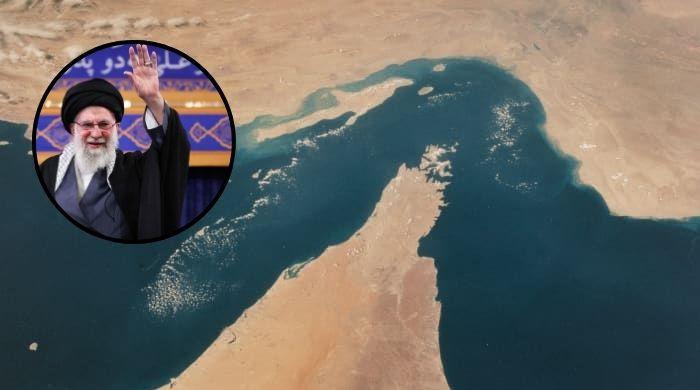
Iran announced on Tuesday February 17 a temporary blockade of the Strait of Hormuz for live fire exercises.
The rare spectacle coincides with another major round of nuclear negotiations with the United States in Geneva.
This is the first time that Iran has announced the closure of a strategic chokepoint. About 20% of the world’s oil supply passes through the Strait of Hormuz.
Iranian media have reported no specific timetable for closing the world’s main oil passage.
However, “security and maritime concerns” were cited to close the Strait of Hormuz.
Supreme Leader Ayatollah Khamenei issued stern warnings, saying: “The most powerful army in the world can sometimes receive such a slap in the face that it cannot get back on its feet. »
What does the closure of the Strait of Hormuz mean for oil prices?
Closing the Strait of Hormuz can trigger an immediate and massive spike in oil prices, increasing them by 50 to 80 percent. With the shutdown, around 20 million barrels of daily oil can no longer reach global markets. The move would ultimately disrupt supplies, drive up shipping costs and cause a serious global economic shock.