
In Washington, the safest vote is often no vote at all, and the most practical timetable is “next session.” But when it comes to the future of banking, financial markets and financial services, inaction is unacceptable. The United States needs clarity on crypto regulation to compete and succeed in the digitally networked financial system of the 21st century.
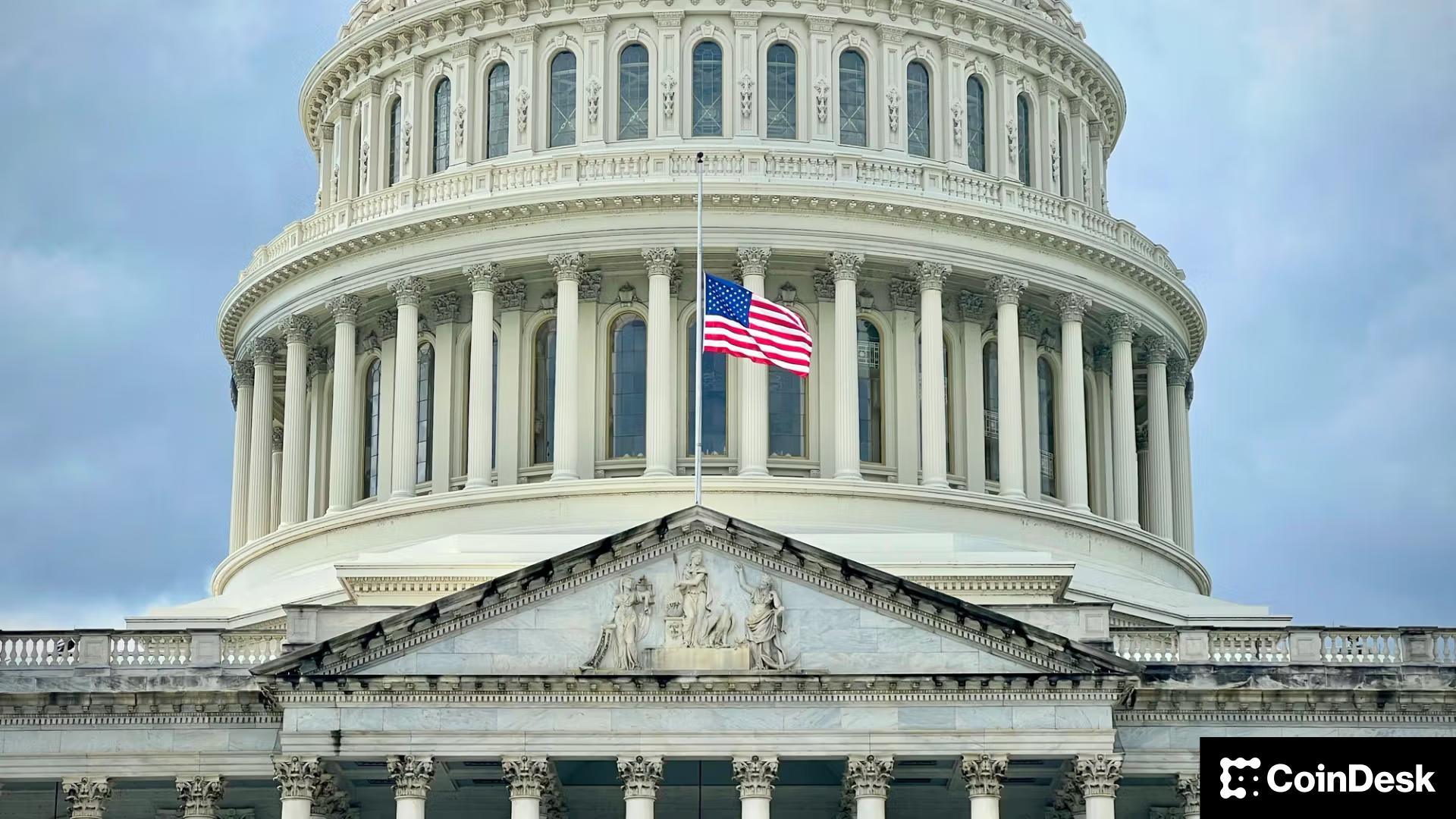
The Senate today finds itself at a crossroads on market structure legislation – policy designed to bring order to digital asset innovation, an increasingly important component of global finance. Failing to codify the “rules of the road” not only blocks cryptography; it causes regulatory chaos that hurts banks and consumers, undermines economic dynamism, and forces innovation to drift offshore. Congress must choose whether America will lead the next financial generation or remain on the sidelines.
The current standoff centers on a perceived conflict between banks and crypto platforms over interest yield and rewards on stablecoins – an issue already addressed by the GENIUS Act, signed into law by President Trump last year. The law allows crypto companies to offer rewards and incentives to customers who hold and use stablecoins made available by separate providers. Banks counter that such reward structures look a lot like traditional bank savings and checking products and, if left unchecked, could divert customer balances away from insured deposits without the same prudential requirements.
Framed this way, disagreement carries more weight than it should. Yield and rewards are design issues in a payments framework, not issues of systemic security or financial stability. Treating them as existential risks delayed an otherwise simple resolution, blocking progress on crucial questions of market structure.
Moving beyond the discussion points, a workable compromise is already available. Congress can explicitly authorize federally regulated banks, including community banks, to offer yield on payment stablecoins. Banks benefit from a clear, federally sanctioned revenue and customer acquisition opportunity in the stablecoin market. They get an easy way to secure customers and funds, which is especially important for community banks looking to stay competitive in a world of megabanks and large-scale payment platforms. Cryptocurrency platforms, on the other hand, retain the incentive structures expected by their customers and available under current law. Congress can advance market structure legislation and create a bill that can be passed. And, most importantly, the American consumer benefits from increased competition and the ability to share in the potential returns on their own money.
Presenting crypto as an existential threat to community banking is a rhetorical tactic, not an economic reality. Recent empirical analysis finds no statistically significant relationship between stablecoin adoption and deposit outflows, suggesting that stablecoins function primarily as transactional instruments rather than substitutes for savings. In fact, properly regulated stablecoins can provide local and community banks with a way to modernize their payment offerings and reach new customers.
The question of rewards and performance is a design problem that can be solved without upsetting the progress already made. There is a workable compromise that meets the economic interests of banks, protects crypto innovation, and respects the well-established law of the GENIUS Act. Moving forward on this basis keeps the entire market structure intact and provides the legal clarity that the U.S. economy deserves.
The Senate has the tools necessary to break this impasse and to follow the strong leadership displayed by the White House. Not doing so would be a choice and not an inevitability.


