
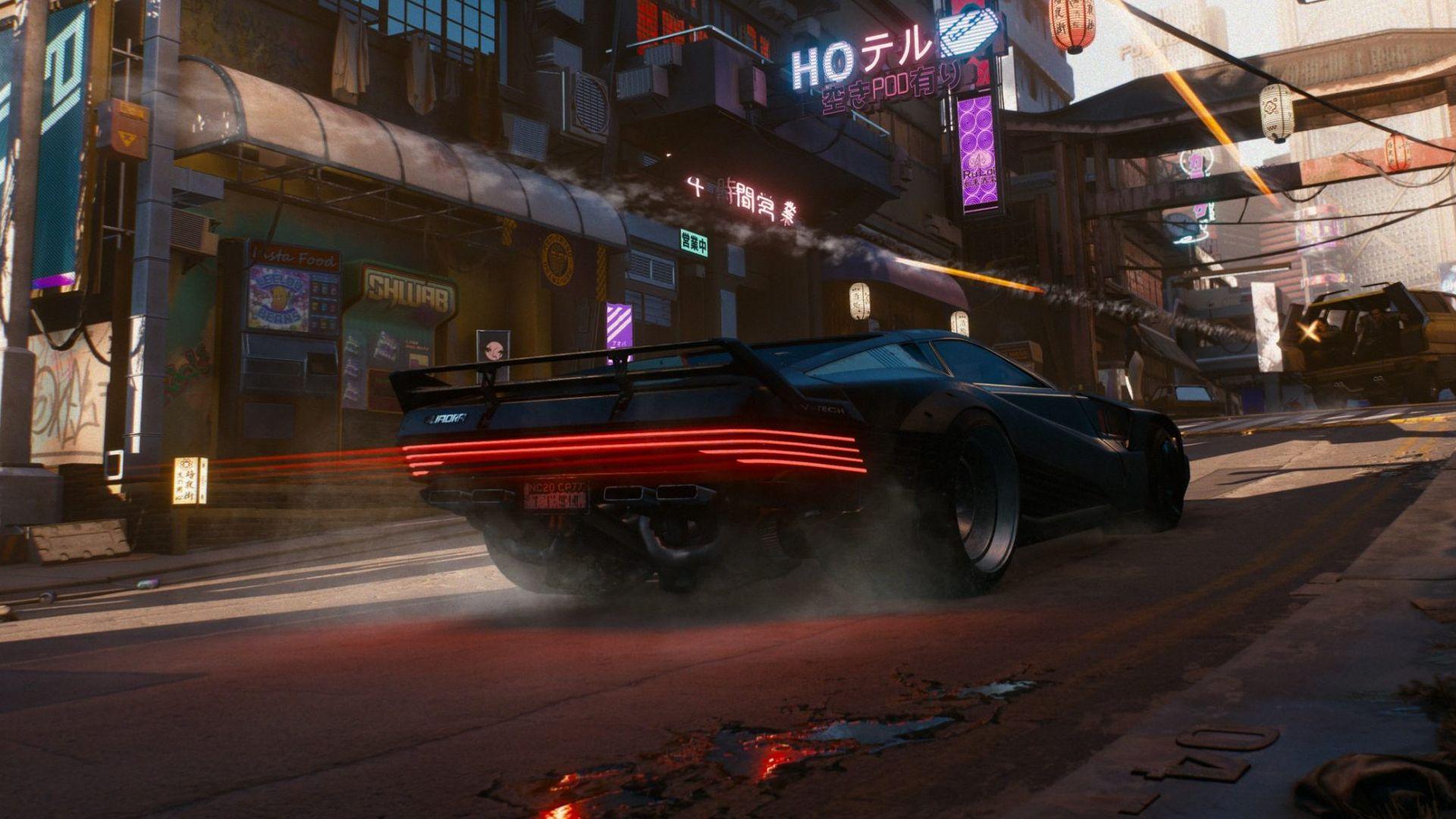
- ComputerBase did a comparison between DLSS, FSR and native 4K
- Readers watched the videos of all three and voted for the best picture quality.
- Nvidia’s DLSS comes out on top, by far, followed by FSR and native rendering as well – but we need to be careful about the conclusions we draw.
Which is better for image quality: Nvidia’s DLSS, AMD’s FSR, or not using upscaling at all and running your games at native 4K resolution? If you thought native was the better choice, well, think again, because a vote held by a tech site crowned Nvidia the clear winner here.
Tom’s Hardware reported on the intriguing test carried out by ComputerBase, with readers of the German site being presented with three videos side by side.
These featured DLSS 4.5, FSR 4 (Redstone), and native 4K, and viewers were invited to vote for the video with the best image quality. Both upscaling technologies operated in “quality” mode (rather than “performance”) and native 4K applied TAA (temporal antialiasing, which smooths out jagged edges).
Six matches were involved here, with votes recorded over two weeks. It was a blind test – meaning the videos were presented without labels, so that biases favoring AMD or Nvidia could be put aside – and readers had to choose the one they thought was best.
Judging was based solely on image quality and you could only choose one winner (no second place). However, if you cannot see any real difference between the choices, you can vote to say that there is a tie and that they are all equivalent.
The end result was a big victory for Nvidia, with DLSS receiving 48.2% of the total votes (6,700 opinions were recorded). Native rendering came in second with 24% of respondents preferring this, with FSR lagging considerably behind at 15%.
About 12.8% of those who took the test actually abstained, because they saw no significant difference between the three.
The following games were tested: Year 117, Arc Raiders, Cyberpunk 2077, Horizon Forbidden West, SatisfyingAnd The Last of Us Part II.
The breakdown of individual game results shows clear victories for Nvidia, which notably received 60.9% of the votes in Satisfyingand 56.3% in Horizon Forbidden West.
Nvidia won in every game, even though the worst result for DLSS, which was in Cyberpunk 2077, still (just) beats native rendering. Here, Nvidia garnered 34.4% of the vote to native 4K’s 32.4%, with AMD achieving its lowest percentage at just 10.6%.
Interestingly, Cyberpunk 2077 was something of an exception in that it was the only game to have considerable doubt over respondents’ top quality ratings, with 22.6% being unable to make a call and voting for all equally. In all other games, abstainers were between 8 and 12%, or around one in ten – but in the case of Cyberpunk 2077 almost one in four players were unable to say.
AMD’s best result was for The Last of Us Part II where FSR captured 25.3% of the vote, but it was still in last place here, just behind native rendering with 25.9%, with Nvidia winning with 40.9% of the vote (its lowest result outside of Cyberpunk 2077).
Analytics: A measure of scaling quality
This is a really interesting set of stats, and it shows just how much upscaling has supercharged contemporary GPUs in terms of producing a better-looking image than native rendering in 4K – and of course an increase in frame rate as well. (Although “quality” obviously doesn’t provide the same boost as “performance” for DLSS or FSR).
It also reflects the broader sentiment you’ll find online, which is that DLSS is the reigning monarch of upscalers. However, AMD has received considerable praise for the progress made with FSR 4, but that doesn’t come through clearly here.
As ComputerBase points out, however, we should be careful before concluding that AMD FSR is worse than native rendering based on these results, because only one choice was made – for best quality – and second or third place was not considered. Having a complete picture of the rankings in this regard could have changed the overall results.
It’s also worth noting that the videos weren’t just uploaded to YouTube, but ComputerBase readers had to download them from the site and watch them through Nvidia’s ICAT player. This was to ensure a higher level of quality for the images and to avoid YouTube’s various compression antics, which would have watered down the comparison here.
So this is clearly a big win for Nvidia, and a healthy encouragement for AMD in terms of needing to catch up more than Team Red has managed so far with the release of Redstone.
Browsing through various online forums, you’ll see that many gamers are already convinced of the benefits of Nvidia DLSS beyond native rendering – but this test highlights just how good Team Green’s technology is in terms of delivering more detailed and superior image quality.
If you’re wondering where Intel’s Discrete Arc graphics cards are, of course, a niche proposition anyway.
The best graphics cards for every budget
Follow TechRadar on Google News And add us as your favorite source to get our news, reviews and expert opinions in your feeds. Make sure to click the Follow button!
And of course you can also follow TechRadar on YouTube And TikTok for news, reviews, unboxings in video form and receive regular updates from us on WhatsApp Also.


