NEWYou can now listen to PK Press Club articles!
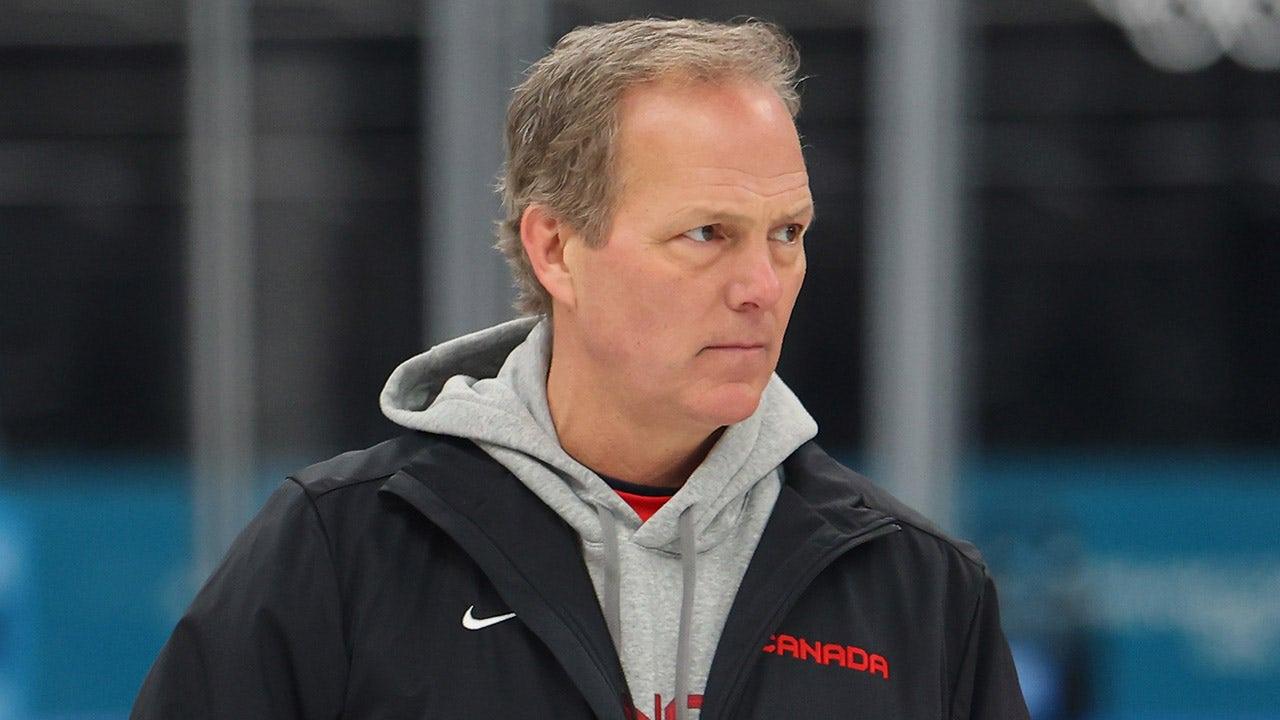
Team Canada men’s hockey coach Jon Cooper may not like the three-on-three overtime format of the Olympics, but that doesn’t matter.
It stays in place.
International Ice Hockey Federation (IIHF) president Luc Tardif told The Athletic that, despite Cooper’s complaints following his team’s loss to Team USA on Sunday, they will continue to use this format in future tournaments.
CLICK HERE FOR MORE SPORTS COVERAGE ON PK Press Club
Canada coach Jon Cooper addresses the media during a press conference following the men’s ice hockey final between the United States and Canada on day sixteen of the Milan Cortina 2026 Winter Olympics at the Milano Santagiulia Ice Hockey Arena on February 22, 2026 in Milan, Italy. (Jean Catuffe/Getty Images)
“These are the best rules for adapting to a tight schedule,” Tardif told the outlet. “We have to count 30 matches in 11 days for the men and for the women 28 matches in 13 days – 58 total in 16 days.
“A huge challenge.”
The IIHF wanted to introduce the three-on-three format that the NHL uses during its regular season to prevent the use of shootouts. However, the NHL is switching to five-on-five hockey during the playoffs, with no shootouts – only the winning goal.
Cooper, however, couldn’t help himself when he went into the overtime format after watching Jack Hughes score the gold medal goal past his goalkeeper, Jordan Binnington.
“You take four players off the ice, now hockey isn’t hockey,” Cooper said, according to the New York Post. “There’s a reason overtime and shootouts are in play – everything is televised to end games, so it’s not long. There’s a reason there’s no Stanley Cup Final or playoffs.”
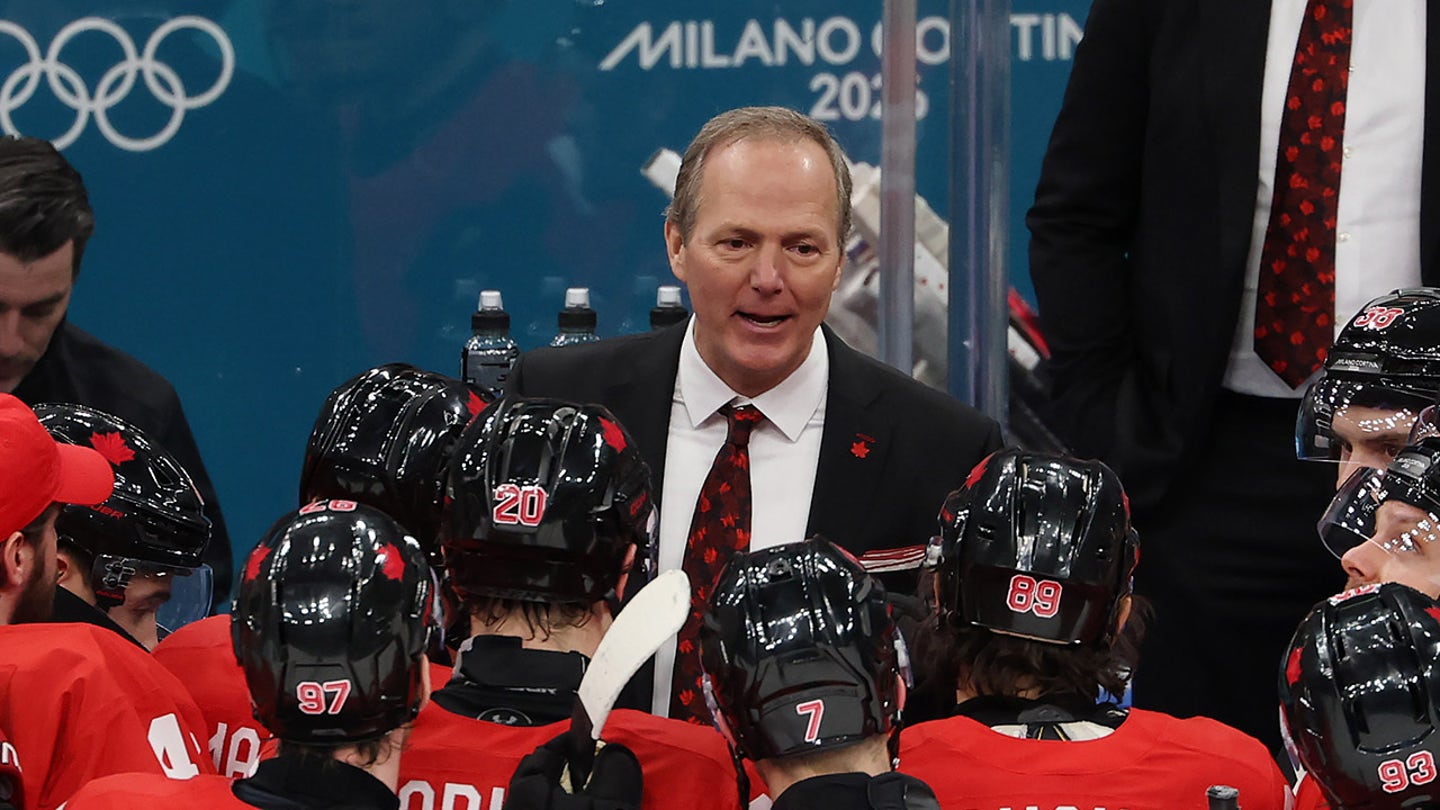
Head coach Jon Cooper of Team Canada speaks to his players following the team’s 3-2 victory in the men’s semifinals playoff game between Canada and Finland on the fourteenth day of the Milan Cortina 2026 Winter Olympic Games at the Milan Santagiulia Ice Hockey Arena on February 20, 2026 in Milan, Italy. (Jamie Squire/Getty Images)
Overtime in the Olympics preliminary rounds lasted five minutes, with a five-round shootout if no winning goal was scored in that time. For the quarterfinals and semifinals, overtime was increased to 10 minutes, followed by 20 minutes for the gold medal matches.
Canada didn’t have as clear a look at the net as Hughes did with his game-winning shot, but they had plenty of chances in all three periods. Ultimately, the United States managed to keep the game tied for 60 minutes, thanks to some huge saves from goalkeeper Connor Hellebuyck, nicknamed the “Secretary of Defense” by Secretary of War Pete Hegseth for his performance.
After the match, Cooper wasn’t the only Canadian to show some bitterness about the result. Alternate captain Nathan MacKinnon, who missed a wide-open net in the third period that could have been the game-winner for Team Canada, made an interesting comment to the press.
“It’s up to you to judge who was the better team today,” he said.
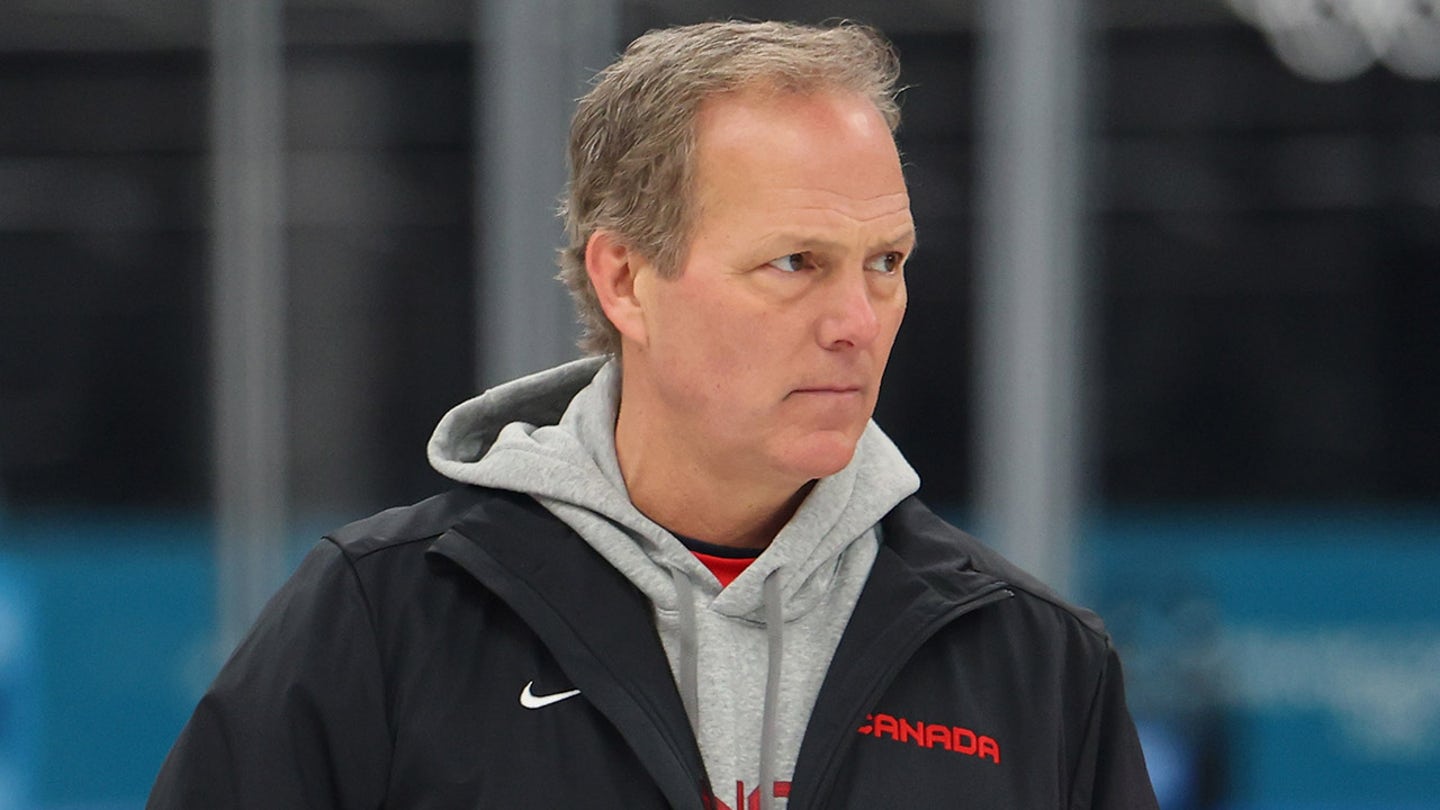
Head coach Jon Cooper of Team Canada participates in practice on the second day of the Milan Cortina 2026 Winter Olympics at the Milano Santagiulia Ice Hockey Arena on February 8, 2026 in Milan, Italy. (Grégory Shamus/Getty Images)
While Cooper, MacKinnon and the rest of the Canadian team pondered what-ifs, the U.S. team took Air Force One to visit President Donald Trump on Tuesday ahead of his State of the Union address. The team was spotted in the Oval Office, where Trump congratulated each player in person on their tremendous accomplishment.
The United States won the most gold medals in a single Winter Olympics (12), during which the women’s ice hockey team also beat the Canadian team in overtime thanks to the heroics of Megan Keller.
Related article