NEWYou can now listen to PK Press Club articles!
The 2026 WNBA season could be historic, but it won’t start on time, if at all, if a new collective bargaining agreement isn’t agreed upon between the league and players.
The WNBA set a March 10 deadline to reach a new agreement during its final meeting with the Women’s National Basketball Players Association (WNBPA), so as not to disrupt the start of the 2026 season, which begins May 8. But it has not been possible to reach a framework for a deal that both sides agree on, which has been the case for some time.
Breanna Stewart, the WNBA superstar who plays for the New York Liberty and is vice president of the WNBPA, knows both sides want the season to happen. But she is not sure that an agreement will be reached within the proposed deadlines.
CLICK HERE FOR MORE SPORTS COVERAGE ON PK Press Club
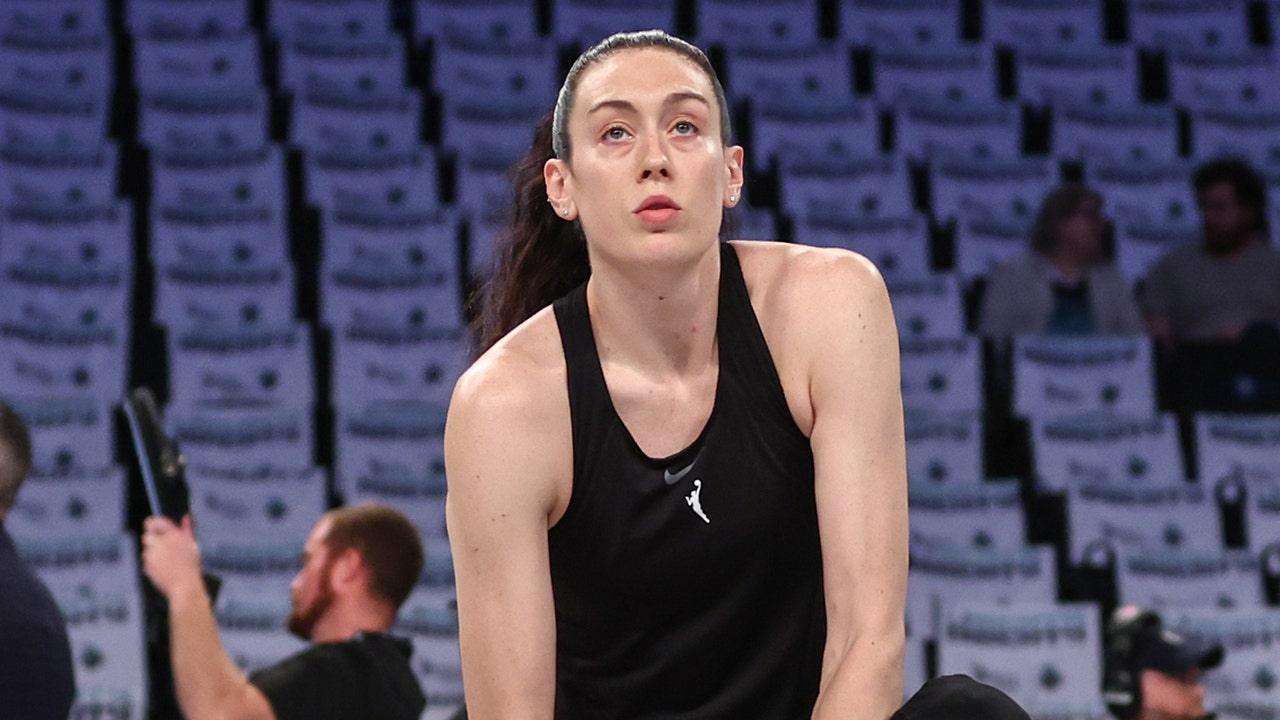
New York Liberty forward Breanna Stewart (30) warms up before Game 2 of the first round of the 2025 WNBA Playoffs at Barclays Center on September 17, 2025. (Wendell Cruz/Imagn Images)
“I don’t know,” Stewart told PK Press Club Digital after a long, thoughtful pause. “I don’t know if a deal will be done by March 10. Part of me wants to say yes, but another part says, ‘Negotiations have been very slow in both directions.’ There must be serious movement over the next week. Literally, I don’t know. »
The latest move was the WNBA sending a counterproposal to the players’ union where good things, like housing payments for all players for the upcoming season, are at stake.
However, Stewart revealed the biggest obstacle in negotiations, and that should come as no surprise given the tension between the league and the players last season.
“The only thing we really can’t agree on is the revenue sharing model,” Stewart said.
Revenue sharing and increasing player salaries are the two main areas surrounding these negotiations. Although Stewart did not give specific amounts, she explained why the two sides do not agree at the moment on how revenue sharing is negotiated.
“The PA is asking for gross and the league, the WNBA, is asking to negotiate an SBI, which is shared revenue for basketball, where you negotiate how much money goes into that pot and that’s shared with the players,” she explained. “That’s the sticking point, that’s the point where whenever we get into these conversations, we’re never on the same side.”
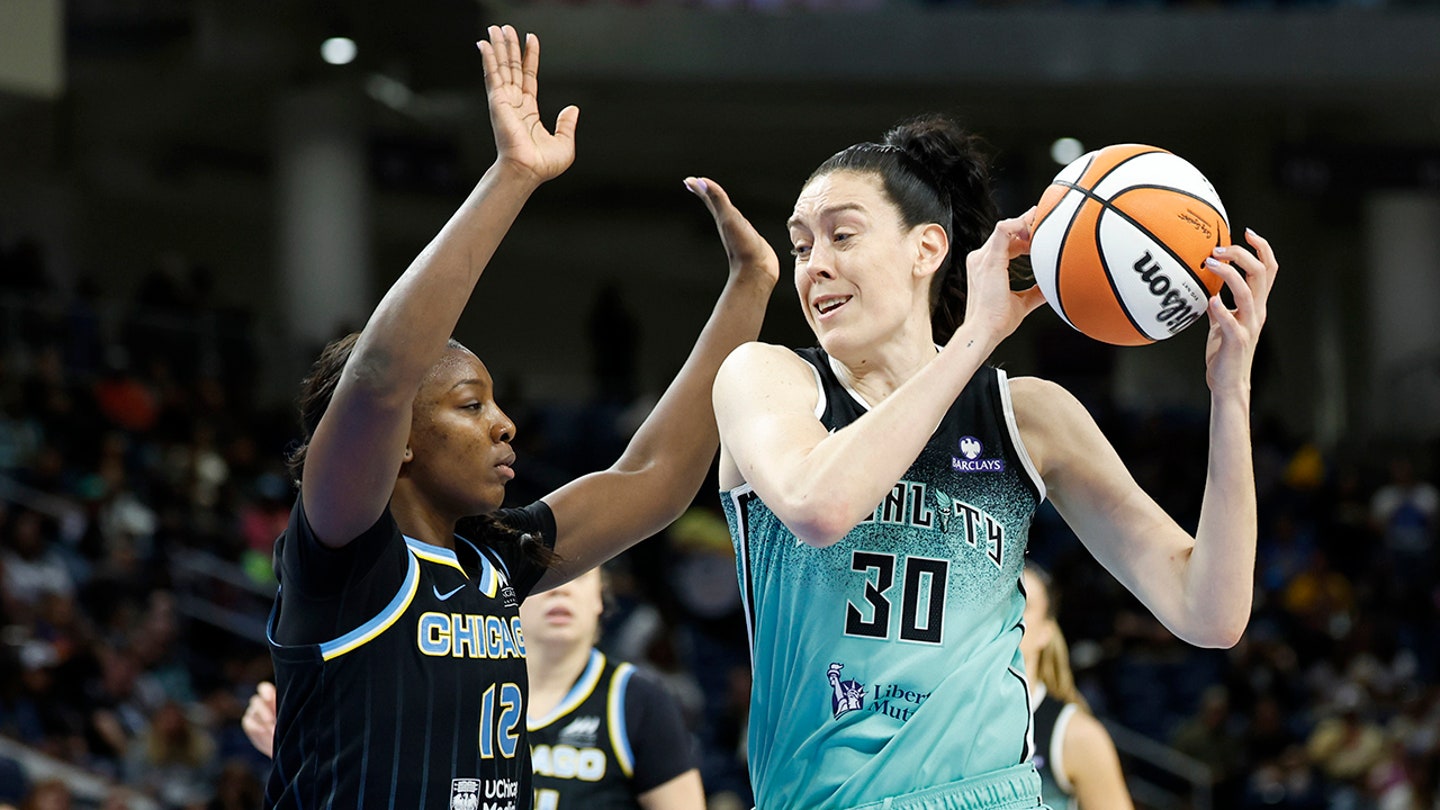
New York Liberty forward Breanna Stewart (30) drives to the basket against Chicago Sky forward Michaela Onyenwere (12) during the first half at Wintrust Arena on September 11, 2025. (Kamil Krzaczynski/Imagn Images)
In its offer to the league last week, the players’ union offered an average of 27.5 percent of the WNBA’s gross revenues, meaning revenue before expenses, over the course of the CBA. The union had previously asked for more than 30% of the revenue. But the league said that model would result in “hundreds of millions of dollars in losses for our teams.”
To echo Stewart’s point, the WNBA’s proposal would give players more than 70% of net revenues – with profits after expenses being key. And these expenses would be for improved facilities, charter flights, five-star hotels and much more for the teams.
It’s been clear since last year that players want what they feel they deserve, even going so far as to wear “Pay Us What You Owe Us” jerseys during WNBA All-Star Game warmups. Indiana Fever star Caitlin Clark was among them, and she said in December that the current CBA negotiations constitute the league’s “greatest moment in history.” Many players feel the same way.
So while players like Stewart hold on, the Liberty star also knows the clock is ticking much closer to midnight now.
It also seems imperative for women’s basketball to move things forward for the sake of the game’s dynamics in terms of exposure, engagement and overall viewership. The 2025 WNBA season broke a record with 2.5 million total fans attending more than 226 games, and that was with just 13 teams.
ESPN also revealed that, through 25 regular season games, the WNBA on ESPN Networks averaged 1.3 million viewers, an increase of 6% year over year. The playoffs saw 1.2 million viewers, marking the most-watched WNBA playoffs on ESPN networks to date.
And there’s also the 11-year, $2.2 billion media rights deal the WNBA has with Disney (ESPN/ABC), Prime Video and NBCUniversal, which includes USA Network.
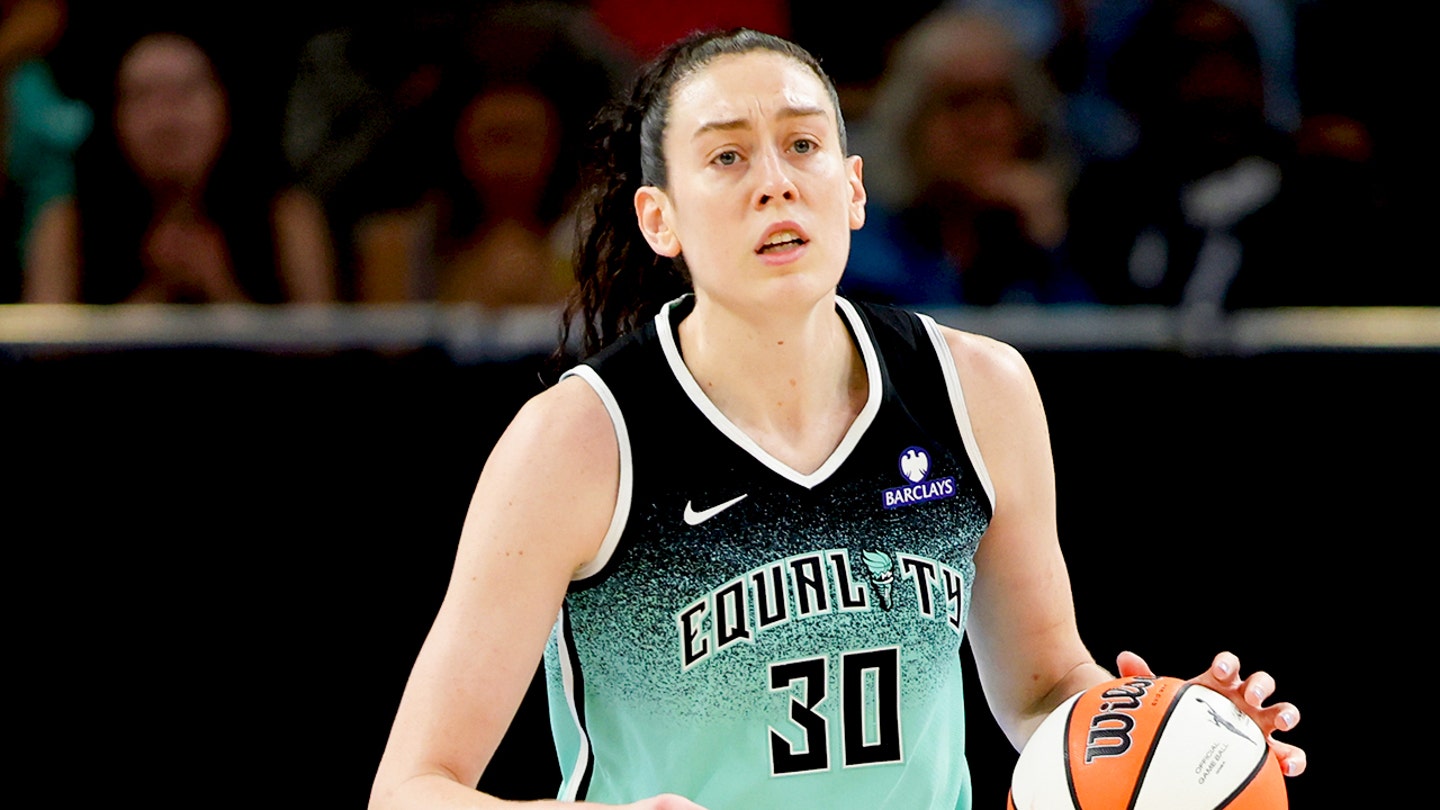
Breanna Stewart of the New York Liberty dribbles the ball down the court during the second half of the game against the Chicago Sky at Wintrust Arena on September 11, 2025 in Chicago, Illinois. (Michael Hirschuber/Getty Images)
“The 2026 season will be historic if we achieve this,” added Stewart. “I think it comes from a number of different things – finally having a record TV deal done. Having two more teams with Portland and Toronto added to the WNBA. It will be interesting to see if free agency happens quickly, how much movement there will be. You’re going to see players make a lot more money than they ever had in the WNBA before.
“We’re getting to the point where both sides really need to be able to adjust and adapt to each other.”
Related article