
ISLAMABAD:
Amid tensions in the Gulf that could lead to a further rise in oil prices, the government on Saturday increased the price of petrol by Rs 8 per liter with effect from March 1, 2026. It also increased the price of diesel by Rs 5.16 per liter for the next fortnight, till March 15.
As international markets gradually progressed, the government increased prices based on calculations made by the Oil and Gas Regulatory Authority (OGRA).
The new price per liter of petrol is Rs266.17, while diesel will cost Rs280.86.
However, despite the war in the Middle East, the oil industry assured the government on Saturday that Pakistan held large stocks of crude oil and petroleum products and there was no immediate risk of supply disruption despite the evolving security situation in the Gulf region.
Sources in the Oil Companies Advisory Committee (OCAC) said the key fuel for civil and military aviation is jet fuel, and its stock has been maintained above normal levels mainly by the Pakistan Air Force and military aviation.
The Petroleum Division, in a statement, said the government had increased the prices of petroleum products following the recommendations of the OGRA.
High-speed diesel (HSD) is used in the agriculture and transportation sectors. The increase in its price risks further fueling inflation in the country.
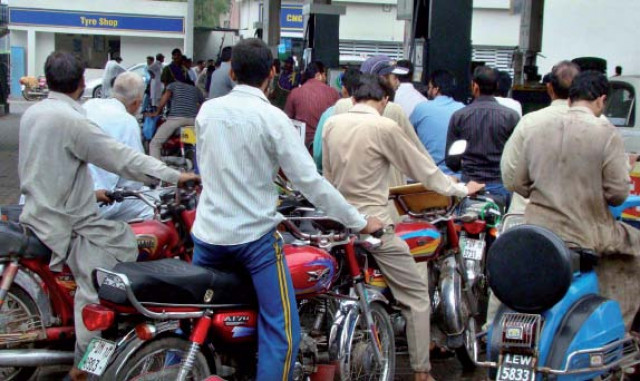
Petrol is used in motorcycles and cars, and its consumption has almost doubled due to the ban on the use of local gas in the CNG sector, especially in Punjab.
Oil marketing companies (OMCs) recorded combined sales of over one million tonnes of gasoline and diesel in February 2026. Gasoline sales stood at 588,000 metric tonnes, while diesel sales stood at 476,000 metric tonnes during the month.
The daily volume of gasoline sales was 21,000 metric tons, while high-speed diesel sales were 17,000 metric tons per day. In January 2026, gasoline sales amounted to 641,000 tonnes, up 3% year-on-year and 2% month-on-month.
High-speed diesel sales reached 664,000 tons, an annual increase of 11% and a monthly increase of 20% thanks to improved freight and agricultural demand.
Analysts said lower fuel prices and recovery from the strike lifted Pakistan’s oil sales to 1.52 million tonnes in January, up 10% year-on-year and 12% month-on-month, industry data showed.
They added that the country has also seen record automobile production in recent months, further boosting demand for gasoline.
Sales of petroleum products in Pakistan climbed to 1.52 million tonnes in January 2026, rebounding from December’s nationwide strike and reflecting lower pump prices that boosted transport and industrial demand.
Sales volumes jumped 10% from a year earlier and 12% from December, according to industry figures compiled from information provided by oil marketing companies.
Cumulative sales between July and January FY26 reached 9.7 million tonnes, up 3% from 9.4 million tonnes in the same period last year.


