There are times when the global economy is not collapsing but growing – like a car crash in slow motion.
What we are witnessing today is not a unique crisis. It is a combination of pressures developing simultaneously: energy, shipping, fertilizer, food, remittances and confidence. When these forces come together, the danger is not immediate collapse. It’s a slow, steady squeeze on daily life. And in Pakistan, this pressure is quickly being felt.
It starts with oil but doesn’t stop there. Rising oil prices are making headlines. But oil is only the first link in a longer chain. If tensions disrupt flows across the Gulf, the impact spreads quickly. Energy is becoming more expensive. Shipping costs are increasing. Fertilizer supplies are getting tighter. Food production is affected with delay. Inflation then follows – not suddenly, but gradually, creeping into everyday life. This is how global shocks move. At first gently, like small ripples, then all at once, like a tsunami.
For large economies, this could mean slower growth. For Pakistan, this means something more immediate: a steady erosion of purchasing power. Food becomes more expensive. Transportation costs are increasing. Utility bills remain high. Everyday goods gradually become smaller or more expensive. But incomes are not increasing at the same rate. This gap creates pressure. And this pressure is already visible in the lives of ordinary households, where Pakistan is most vulnerable.
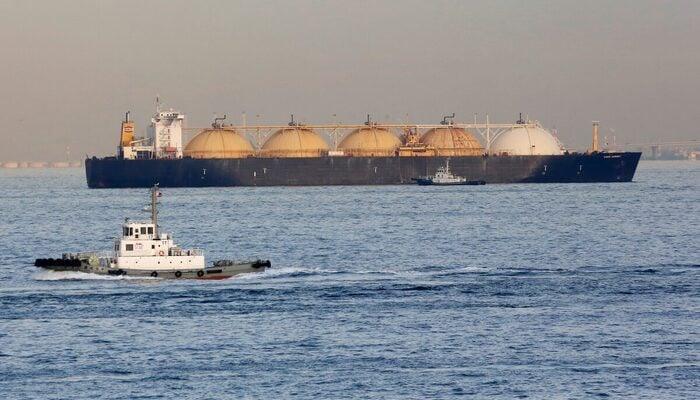
The country relies heavily on fuel and LNG imports. Fertilizer prices are linked to global gas markets. Many industries rely on imported raw materials. At the same time, most households already spend almost all of their income on basic needs, rent, utilities, food, education and health care. This leaves little or no disposable income for anything else.
Additionally, millions of families rely on international remittances. This creates additional risk. If Gulf economies slow, remittance flows could weaken. For many households, these flows do not constitute additional income, but the main source of survival. Any disruption in this area immediately affects consumption, savings and financial stability.
This is not a typical recession. This is a pressure test, particularly for the bottom half of the economy. In times of uncertainty, the instinct is to act forcefully: sharply raise interest rates; tighten conditions; try to control everything. But this situation is different. Much of this is a supply-side shock. Higher interest rates will not produce more oil, reduce transportation costs, or increase the supply of fertilizer.
What they can do is slow down businesses, reduce employment and further weaken demand. Policy must remain responsible and measured. Businesses need time to adapt, not additional pressure.
Now is not the time for complicated politics. Now is the time to act in a clear and targeted manner. The first priority is communication. People need clarity. When information is lacking, uncertainty grows and leads to panic. The second priority is targeted support. Pakistan already has strong systems like NADRA and BISP. These should be used to provide direct assistance to the most vulnerable households rather than to provide blanket, costly subsidies.
A third priority is remittance risk management. If capital flows decline, pressure on households and the economy as a whole can quickly intensify. A practical approach is for the government to borrow temporarily based on expected remittances over the next six months, based on historical trends. This can provide short-term liquidity, support monetary stability and create fiscal space to protect vulnerable households during the shock.
At the same time, banks must play their role. They should proactively expand working capital lines to help businesses manage higher inventory costs and supply chain disruptions, ensuring businesses can continue operating despite delays and uncertainty.
Rapid and responsible action is essential. This is exactly how Pakistan overcame the Covid shock by taking timely and balanced decisions rather than delayed reactions.
Engagement with international partners is also essential. The IMF must be approached with clarity: this is not a routine economic cycle, but a black swan event caused by external geopolitical shocks.
There must be mutual understanding on the temporary flexibility of the terms of the scheme, leaving space to protect vulnerable households, support industry and preserve jobs during this period.
At the same time, this moment should be used to make long-overdue structural corrections. Reducing wasteful spending must go hand in hand with accelerating the privatization or restructuring of loss-making state-owned enterprises, while exploring opportunities for debt reprofiling to ease immediate fiscal pressure.
It is also an opportunity to move forward more quickly on intelligent, forward-looking policies. For example, an aggressive transition to locally produced electric motorcycles, supported by a network of solar-powered charging stations, can reduce the fuel import bill, reduce urban noise and improve the environmental footprint, while creating local industry and jobs.
At the same time, businesses must stay alive. Simple, temporary relief measures, such as an annual rent freeze, can help retail businesses survive and protect jobs. The supply of food and fertilizer must also be ensured quickly. Food crises do not start in markets; they start months earlier in the fields. The delays will now manifest themselves later in an increase in food prices. Exports must be protected at all costs. They earn foreign exchange, support employment and provide stability in times of uncertainty.
Another area that requires immediate attention is contractual risk. As global supply chains come under strain, Pakistan must prepare for an increase in force majeure events, in which businesses, or even governments, are unable to honor their contracts due to disruptions beyond their control. This can affect import and export agreements, shipping and logistics contracts, energy supply agreements and large infrastructure projects.
Early identification is essential. Government and the private sector must begin now to map these risks, review contract risks, and prepare legal and financial responses. If ignored, these disruptions can quickly turn into losses, conflicts and long-term damage to business trust.
Beyond oil and food, less visible disruptions are currently emerging that could make the situation worse. One of them is plastic. Modern life relies heavily on plastics, especially those made from oil and gas. When energy markets tighten, the supply of plastic becomes more expensive and more uncertain. It affects daily life in simple but important ways.
Packaging for bottled water, beverages and food is becoming more expensive. FMCG companies are struggling to source materials. Textile exporters using synthetic fibers are facing rising input costs. Retailers are finding it more difficult to maintain product availability.
The result is known: products become smaller, more expensive or disappear altogether. Inflation quietly spreads through daily consumption, the silent thief.
Another critical but often overlooked vulnerability is the disruption of the helium supply chain. It’s not talked about much, but it’s essential for many advanced industries and much of the world’s supply comes from the Gulf. If the supply is interrupted, the effects spread quietly but widely. At a high level, this could mean: MRI machines and hospital diagnostic tools become more expensive and more difficult to use; slower semiconductor production, leading to shortages of critical electronic components; delays in fiber optic and high-tech manufacturing; bottlenecks in aerospace and defense systems; constraints on data center cooling, affecting digital infrastructure; and the difficulties associated with operating military and sensitive high-pressure test equipment.
Scarcity may not seem critical in everyday life – until it is. When an MRI is not available when you need it, or a critical component of an IT system is delayed, leading to the shutdown of mission-critical networks, the impact becomes very real.
Policymakers should remain aware of this risk and begin to identify alternatives and solutions before supplies reach critically low levels. This is how supply chain disruptions and geopolitical crises work. They aren’t always dramatic, but they are deeply connected.
Ultimately, it’s a question of trust. If people believe the system is stable, they adapt and learn to navigate it. If they think it’s uncertain, they panic. And panic spreads faster than any political response.
Pakistan cannot control world events. It cannot control oil prices or geopolitical tensions. But he can control his reaction. Staying measured, targeted and focused while protecting the most vulnerable, protecting exports, preserving jobs and keeping the economy moving will determine the outcome.
Refuse to panic. Communicate clearly. Act early. Remember, in times like these, more is less. Protect the economy.
The author is a business leader and advocate for policies focused on export-led growth, job creation and competitiveness in emerging economies. He can be reached at: [email protected]
Disclaimer: The views expressed in this article are those of the author and do not necessarily reflect the editorial policies of PK Press Club.tv.
Originally published in The News