NEWYou can now listen to PK Press Club articles!
As subscription streaming services take over more and more games from free TV and basic cable, many fans are crying foul.
A new PK Press Club national survey of registered voters finds that the majority of sports fans (72%) and non-fans (60%) believe major sporting events should be required to remain on free television, not behind streaming paywalls. Only 27% of fans and 38% of non-fans believe leagues should be allowed to move their games to paid streaming services.
PK Press Club POLL: VOTERS OPPOSE ACTION IN IRAN BUT GIVE US POSITIVE MILITARY MARKINGS
For those who like to watch their favorite team from their favorite sofa, the price becomes a serious handicap. Nearly 6 in 10 sports fans say they have skipped a game at least a few times in the past year because it was too expensive, including about a third who say this has happened “several times.”
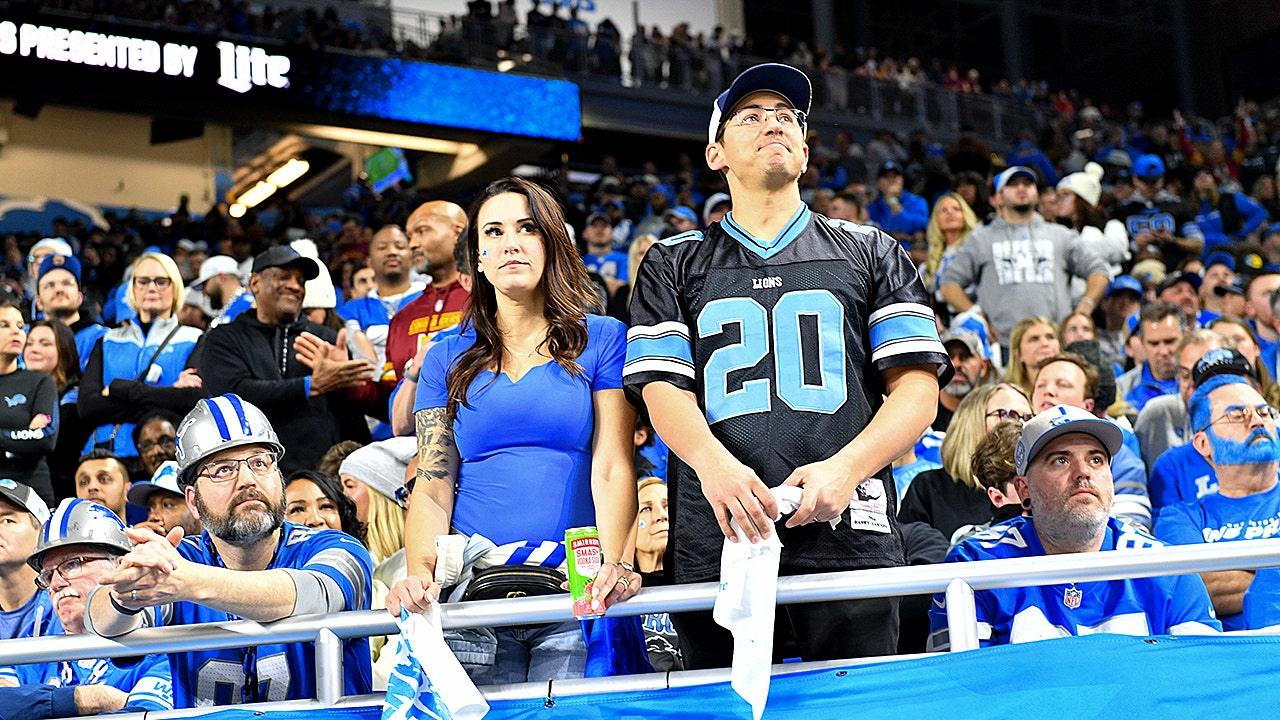
Nearly half of fans say they didn’t watch games on TV because it was too difficult to find or access. (Steven King/Sportswire Icon via Getty Images)
And even when fans are willing to pay, knowing how to watch can feel like a stuck plan. Nearly half of fans (47%) say they have skipped games because they were too difficult to find or access. Again, roughly the same proportion (46%) say they have rarely, if ever, been sidelined. When it comes to watching TV, they really have the game on.
PK Press Club POLL: VOTERS EXPECT AI TO TRANSFORM OUR LIVES – BUT TODAY IS NOT THAT DAY
Nearly three-quarters of registered voters consider themselves sports fans (73%).
CLICK HERE TO DOWNLOAD THE PK Press Club APP
Conducted March 20-23, 2026, led by Beacon Research (D) and Shaw & Company Research (R), this PK Press Club investigation includes interviews with a sample of 1,001 registered voters randomly selected from a national voter file. Respondents spoke with live interviewers on landlines (104) and cell phones (641) or completed the survey online after receiving a text message (256). Results based on the full sample have a margin of sampling error of ±3 percentage points. Sampling error for results among subgroups is higher. Results among sports fans have a margin of sampling error of ±3.5 points and those of non-sports fans have a margin of sampling error of ±6 points. In addition to sampling error, the wording and order of questions can influence the results. Weights are typically applied to the age, race, education, and region variables to ensure that demographics are representative of the registered voter population. Sources for developing target weights include the most recent American Community Survey, PK Press Club Voter Analysis and voter file data.