
ISLAMABAD:
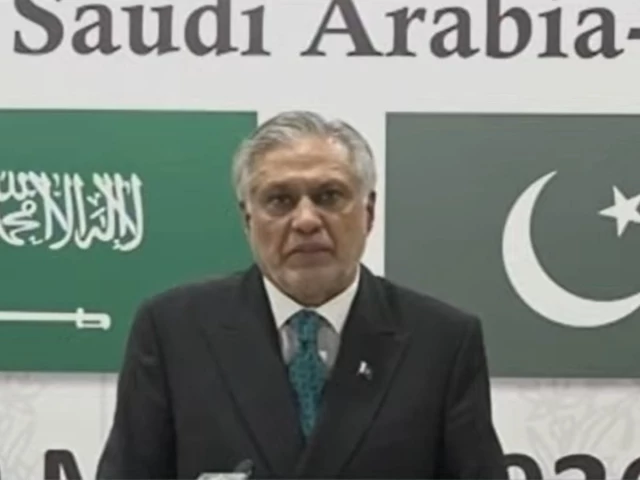
Just two days after receiving the foreign ministers of Turkey, Egypt and Saudi Arabia, Deputy Prime Minister and Foreign Minister Ishaq Dar is visiting Beijing, a move that officials say underscores Islamabad’s intensifying diplomatic efforts to defuse the Middle East crisis.
According to a Foreign Ministry statement released Monday, Dar will visit China on March 31 at the invitation of Chinese Foreign Minister Wang Yi.
The statement described Pakistan and China as “strong strategic cooperative partners” and said the visit would enable the two sides to hold “in-depth discussions on regional developments, as well as bilateral and global issues of mutual concern.”
The Foreign Ministry also highlighted the urgency attached to the trip, noting that Dar is undertaking the visit despite medical advice to rest following a broken shoulder, reflecting the importance Islamabad places on relations with Beijing.
Diplomatic sources told The Express PK Press Club that the visit is important in the context of Pakistan’s broader mediation efforts, particularly its bid to involve China more directly in peace diplomacy.
They said Islamabad wanted Beijing to use its influence over Tehran to help ease tensions and push Iran toward negotiations.
“China has the capacity to push Tehran towards the negotiating table,” one source said, adding that Beijing could also play a bigger role in shaping a possible deal between the warring sides.
Beijing has already shown its support for Pakistan’s efforts. In a statement, China’s Foreign Ministry said it “commends and supports Pakistan’s mediation efforts towards de-escalation” and is ready to strengthen coordination with Islamabad and other stakeholders to work towards a ceasefire and peace.
Dar’s moves come amid reports that Iran-US talks could take place this week in Islamabad.
The foreign minister, speaking after the quadrilateral meeting on Sunday, said Pakistan was gearing up for an important meeting and Iran and the United States had expressed confidence in Islamabad’s efforts.
Meanwhile, Pakistan’s diplomatic efforts continued on another front: Prime Minister Shehbaz Sharif held a telephone conversation with António Costa, President of the European Council, one of the three most important leadership positions in the European Union (EU).
In a message on X, the prime minister said the two sides exchanged views on ongoing hostilities in the Middle East and agreed that “dialogue and diplomacy must prevail” to restore peace and stability. He informed Costa of Pakistan’s mediation efforts, which the European side welcomed.
The two leaders also discussed strengthening ties between Pakistan and the EU, including the importance of the GSP Plus system and the upcoming Pakistan-EU Business Forum in Islamabad next month.
The Prime Minister also conveyed his best wishes to the President of the European Commission, Ursula von der Leyen. In his own statement, Costa said the EU was “gravely concerned” by the prolonging war and its growing global impact.
He expressed support for Pakistan’s peace efforts, stressing that “only dialogue and diplomacy can bring peace and stability to the Middle East”, in accordance with the United Nations Charter and international law.
The flurry of diplomatic activity reflects Islamabad’s attempt to position itself at the center of mediation efforts, leveraging ties with key regional and global players to push for a negotiated end to the conflict.


