
States that assistance to the public remains the top priority and expresses satisfaction with the availability of fuel
Prime Minister Shehbaz Sharif on Tuesday ordered authorities to take strict action against smuggling and illegal hoarding of petroleum products, citing the developing regional situation.
The development came a day after President Asif Ali Zardari and the Prime Minister assured participants of a high-level meeting that sufficient fuel stocks were available to meet the country’s needs, and that future arrangements were also in the works.
President Zardari stressed that in the face of pressures on oil and gas supplies, rising energy costs and changing regional environment, all possible measures should be taken to reduce the burden on the common man, especially with regard to essential goods and services.
Read: Without takers, the smart containment proposal abandoned
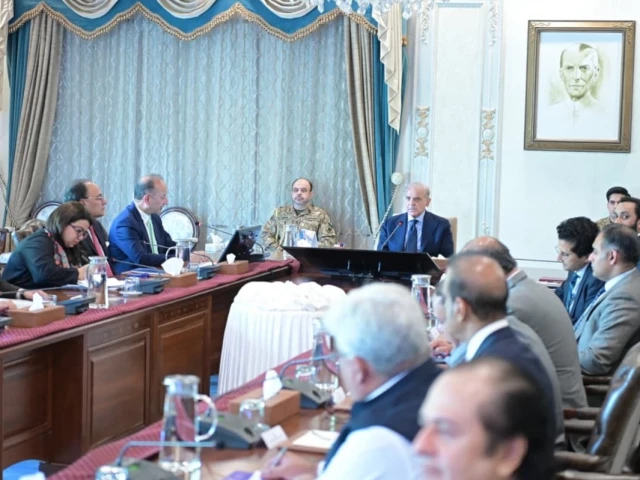
According to a statement issued by the Prime Minister’s Office, Prime Minister Shehbaz chaired a high-level meeting to review the oil supply chain, conservation measures and measures to ensure efficiency in the current situation.
محمد شہباز شریف کی زیر صدارت خطے کی صورتحال کے پیش نظر پیٹرولیم مصنوعات کی سپلائی چین، بچت اور کفایت شعاری کے لیے جاری اقدامات کے نفاذ کے حوالےسے اجلاس
اجلاس میں کم آمدنی والے طبقات کو موجودہ صورتحال کے تناظر میں ریلیف پہنچانے کے حوالےسے اقدامات کا جائزہ لیا گیا
And… pic.twitter.com/5tRjOJKCMJ
– PTV News (@PTVNewsOfficial) March 31, 2026
The meeting also considered proposals to provide relief to low-income segments facing economic pressures. The Prime Minister asked relevant ministries to finalize the recommendations in consultation with provincial governments and submit them for approval.
Stressing strict enforcement, the Prime Minister asked authorities to act firmly against those involved in smuggling and illegal stockpiling of petroleum products, warning that no leniency would be made to maintain market stability.
He noted that over the past three weeks, the Federal Government had taken significant steps to support vulnerable segments and reiterated that efforts would continue to prioritize assistance to the most disadvantaged.
The Prime Minister said the government had extended relief worth Rs 129 billion to the public by reducing development expenditure and implementing austerity and cost-saving measures to prevent an increase in fuel prices.
Read also: Schools in Sindh will operate as usual, with closure on Saturdays only: Sharjeel Memon
Expressing satisfaction over the availability of fuel, Prime Minister Shehbaz said timely decisions taken by the federal government had ensured sufficient oil stocks to meet national needs. “Providing relief to the population remains our top priority,” he said.
The meeting was briefed on the progress made in the implementation of austerity measures. Officials informed the participants that the demand and supply of petroleum products, as well as the entire supply chain, were regularly monitored through a digital dashboard to ensure transparency and efficiency.
Among those present at the meeting were Federal Minister for Economic Affairs Ahad Cheema, Minister for Information and Broadcasting Attaullah Tarar, Minister for Petroleum Ali Pervaiz Malik, Minister for IT and Telecommunications Shaza Fatima Khawaja, Minister for Energy Sardar Awais Ahmad Khan Leghari, Adviser to Prime Minister on Privatization Muhammad Ali, Minister of State for Finance and Railways Bilal Azhar Kayani, Special Assistant to Prime Minister Tariq Bajwa and senior government officials.
Earlier this month, the government sharply increased diesel and gasoline prices by 55 rupees per liter, or 20 percent, citing the ongoing conflict between the United States, Israel and Iran, which has disrupted global supply chains and pushed crude oil prices to their highest level in two years.
In response to the crisis, the federal and provincial governments introduced a series of austerity measures, including additional weekly leave, a reduction in free fuel allowances for ministers, restrictions on ceremonial vehicles and proposals to provide subsidized fuel for students.
Last week, the government had also approved a significant increase of Rs 200 per liter in the tax on high-octane fuel used in luxury vehicles, taking the total tax to Rs 300 per liter and the price to Rs 600 per litre.
Although the government was expected to raise oil prices further due to the prevailing uncertainty, it refrained from doing so twice, saying 125 billion rupees had been allocated through savings and development cuts to protect consumers against rising global oil prices.


