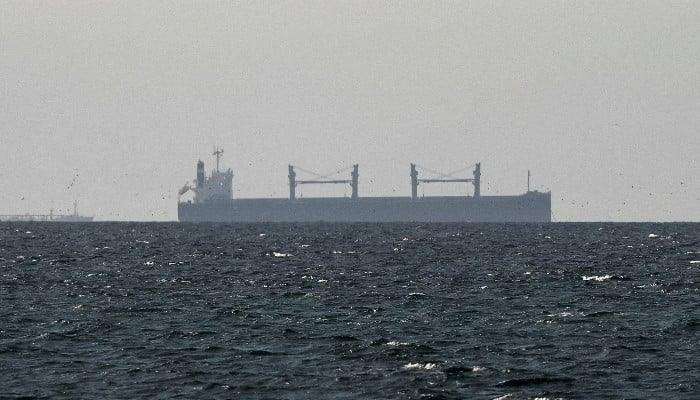
- WTI soars to nearly $114/barrel, its highest level since March 9.
- Trump’s speech did not specify when Hormuz might reopen.
- WTI is heading for the largest absolute daily price increase since 2020.
HOUSTON (Reuters) – U.S. oil prices rose more than 11% and Brent rose nearly 8% on Thursday in volatile trading, as traders worried about prolonged oil supply disruptions in the wake of President Donald Trump’s announcement that the United States would continue its attacks on Iran.
Brent crude futures LCOc1 closed at $7.87, or 7.78%, up to $109.03 a barrel. US West Texas Intermediate CLc1 crude futures rose $11.42, or 11.41%, to $111.54 a barrel, settling at their biggest absolute price gain since 2020.
Both benchmarks remained below highs near $120 a barrel reached earlier in the conflict.
Trump said military operations would be intensified, but did not specify a timetable for an end to hostilities. He gave no details on measures that could lead to a reopening of the Strait of Hormuz.
“We’re going to hit them extremely hard over the next two to three weeks,” Trump said. “We’re going to take them back to the Stone Age, where they belong.”
Iran is drafting a protocol with Oman to monitor traffic across the strait, an Iranian Foreign Ministry official said, after a Bloomberg report.
Iran has effectively closed the narrow waterway through which a fifth of the world’s oil and liquefied natural gas passes, in retaliation for U.S.-Israeli strikes that began on February 28. Reopening this waterway has become a priority for governments around the world as energy prices soar.
“The real question on traders’ minds is whether Iran’s oil infrastructure is now in danger, and with more damage to the region now very likely, even if it remains intact, the resumption of oil flows into the region (appears) now to be further delayed,” said Dennis Kissler, senior vice president of trading at BOK Financial.
WTI, which typically trades below Brent, was worth nearly $3 to Brent, with the U.S. contract trading for May deliveries, while the Brent contract was trading for June deliveries. WTI’s premium over the global benchmark was the highest in a year.
“The market expects that if the Strait of Hormuz opens in a few weeks, that risk premium will immediately decline,” said John Kilduff, partner at Again Capital.
Federal Reserve Bank of Dallas President Lorie Logan said Thursday that a quick resolution to the war could mean the economic impact could be quite moderate, adding that the economic outlook was uncertain because of the crisis. The United States has some buffers to deal with the impacts of war, Logan said.
Brent crude prices could average $95 per barrel in the base case and $130 per barrel in the bull case in the second half of the year, Citi said, while oil prices could rise to between $120 and $130 per barrel in the near term, JP Morgan said. Prices could exceed $150 if the strait remains closed until mid-May, JP Morgan added.
The number of U.S. oil rigs, an indicator of future production, increased by two to 411 this week, energy services company Baker Hughes said. An increase in the price of oil that will be delivered in the coming months has producers considering adding more rigs, but they cautioned that they would like higher prices to hold longer to do so.
On Thursday, front-month WTI traded at its largest premium on record to second- and seventh-month contracts.
Talks on reopening Hormuz
Britain is holding a virtual meeting of around 40 countries to discuss options for reopening the Strait of Hormuz. The United States should not attend.
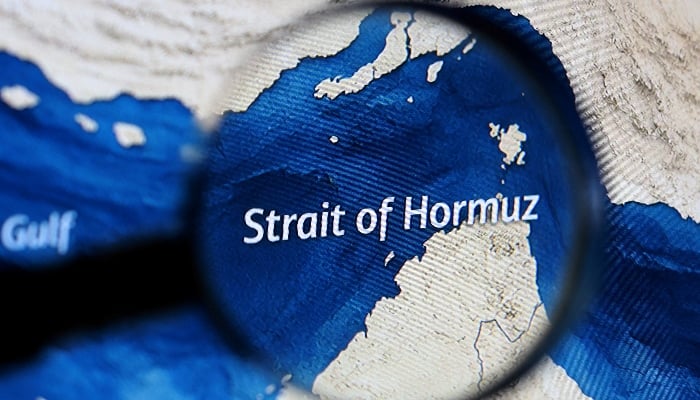
OPEC+, meanwhile, is expected to consider another increase in oil production on Sunday, sources said. This would allow members to add more barrels if the Strait of Hormuz reopens, but supply is unlikely to increase significantly before then.
In Russia, Ukrainian strikes on port infrastructure, pipelines and refineries have reduced export capacity by a million barrels per day, or a fifth of total capacity, sources say, enough to pave the way for imminent production cuts.
The head of the International Energy Agency also said supply disruptions would start to affect the European economy in April, after the region was protected by contracted cargoes before the start of the war.