
- Washington cuts tax breaks for data centers as pressure mounts nationwide
- Lawmakers rethink incentives as AI infrastructure costs continue to rise
- Industry Reluctance Slows Efforts to Reform Data Center Tax Policies
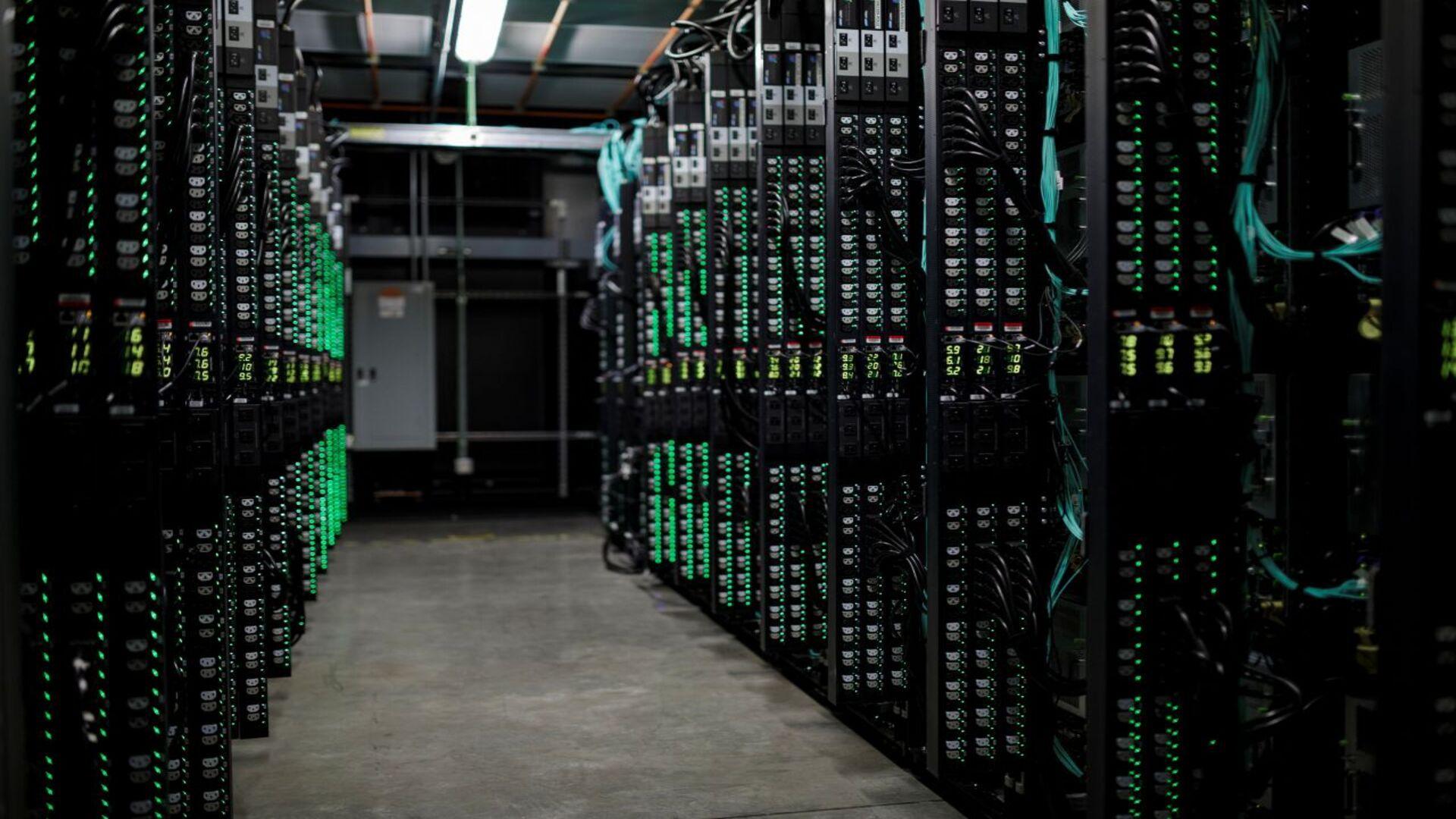
Washington state has decided to roll back a long-standing tax incentive tied to data center operations, a move that could reshape how artificial intelligence infrastructure grows in the region.
Governor Bob Ferguson signed SB 6231 into law, reducing a sales tax exemption that previously reduced the costs of replacing equipment at existing facilities.
While the move doesn’t eliminate all incentives, it introduces new frictions in a sector that has relied heavily on favorable tax treatment to support rapid growth.
Article continues below
Narrower incentives in a competitive landscape
The rollback focuses specifically on the refurbishment cycle of operational data centers, meaning businesses will now face higher costs when upgrading hardware.
New facilities, however, continue to benefit from existing exemptions, creating a divided policy approach that can influence how companies plan future investments.
Historically, sales tax incentives have allowed carriers to acquire expensive hardware at discounted rates, making it one of the most widely used tools in the United States.
As many as 37 states still offer some sort of incentive for data center development, showing how jurisdictions compete for these capital-intensive projects.
Still, Washington’s adjustment signals a shift in thinking, as policymakers weigh the long-term fiscal impact of these benefits against public concerns.
Efforts to reduce incentives have often stalled despite increased scrutiny, with similar proposals in states like Arizona, Georgia and Maryland struggling to move forward.
In Washington, industry opposition has already influenced the results, as another bill aimed at protecting utility costs and environmental transparency failed after strong resistance.
Microsoft, which operates a significant number of data centers in the state, has warned lawmakers of unintended consequences.
“We respectfully urge the committee not to move the bill forward without significant changes,” said Lauren McDonald, senior director of Washington state government affairs at Microsoft.
He argued the proposal was “particularly anti-competitive” and urged a review unless major revisions were introduced.
Elsewhere, Virginia continues to grapple with similar questions, but on a much larger scale given its status as the world’s premier data center hub.
Lawmakers are considering whether to eliminate or modify tax exemptions that would cost the state billions each year.
Louise Lucas, a Democrat, said the state “will not pass a budget that puts tax breaks for data centers ahead of hard-working families.”
At the same time, competing proposals suggest tying incentives to environmental friendliness rather than removing them outright, indicating that a compromise remains possible but uncertain.
Washington’s decision, while more limited in scope, provides momentum for a broader reassessment of how far states should go in subsidizing AI tools and infrastructure.
It also raises the question of whether the reduction in incentives discourages investment or reflects a necessary correction in policy direction.
Via MLex
Follow TechRadar on Google News And add us as your favorite source to get our news, reviews and expert opinions in your feeds. Make sure to click the Follow button!
And of course you can too follow TechRadar on TikTok for news, reviews, unboxings in video form and receive regular updates from us on WhatsApp Also.


