
There is a feeling of satisfaction after the first round of negotiations, with no negative developments reported so far
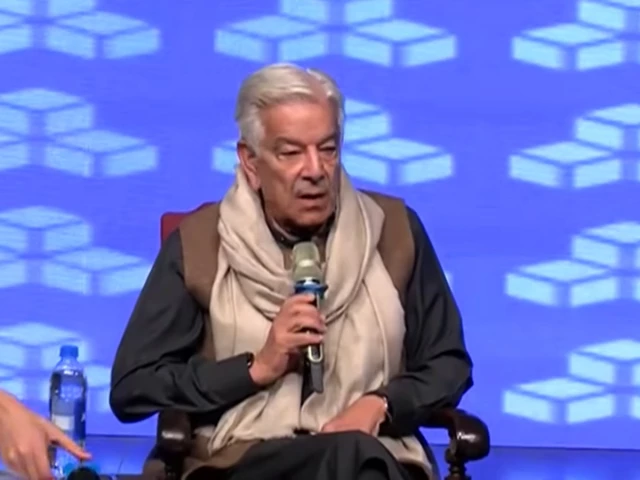
Defense Minister Khawaja Asif. Photo: screenshot
Defense Minister Khawaja Asif said the next round of Iran-US negotiations was expected soon, and positive progress had been observed.
His statement came a day after marathon talks between the two sides in Islamabad ended without a deal after more than 21 hours of negotiations.
Speaking to the media outside Parliament today, the minister noted that there remained a possibility of resumption of dialogue between Tehran and Washington, adding that following the last round of talks, there had been a feeling of satisfaction, with no negative developments reported so far.
“Only positive progress has been observed,” he stressed, indicating that ongoing diplomatic efforts were moving in a constructive direction.
Read: ‘The project was ready’: how US-Iran talks narrowly missed a historic deal in Islamabad
Responding to a question on whether Pakistan would play a decisive role in shaping the future of the region, Asif said the final decisions lie with Allah.
Speaking on India, the defense minister struck a critical tone, saying there appeared to be unease there, with varied reactions.
He said the broader diplomatic process in the region was progressing positively and continued negotiations strengthened prospects for peace and stability.
The United States and Iran have failed to reach an agreement to end their war despite marathon talks that ended Sunday in Islamabad, putting a fragile ceasefire in jeopardy. Each side blamed the other for the failure of 9 p.m. negotiations aimed at ending the fighting that “has killed thousands and sent global oil prices soaring since it began more than six weeks ago.”
US Vice President JD Vance left Pakistan after announcing that intensive talks with Iran had failed to result in a deal, while appreciating Pakistan’s efforts.
“We had been there since 9 p.m. and had several substantive discussions with the Iranians. That was the good news. The bad news was that we had not reached an agreement, and I think that was bad news much more for Iran than for the United States of America,” he said at a press conference in Islamabad.
Read also: Dar meets Chinese Ambassador to discuss developments following ‘Islamabad talks’
On the other hand, Iran accused the United States of derailing negotiations in Islamabad when the two sides were close to reaching an agreement. “We engaged in good faith with the United States to end the war,” Iranian Foreign Minister Abbas Araghchi said in a statement.
After the failure of the negotiations, US President Donald Trump had thanked Pakistan for hosting the talks between Washington and Tehran in Islamabad, while announcing that the US Navy would begin blockading the Strait of Hormuz after the negotiations failed.
The United States and Israel launched a joint offensive against Iran on February 28, killing thousands of people in Iran, including then-Supreme Leader Ayatollah Ali Khamenei, and injuring tens of thousands, including civilian areas including residential buildings and religious sites.
The conflict has also expanded geographically. Iran responded with drone and missile strikes targeting Israel as well as Jordan, Iraq and Gulf countries hosting US military assets. It also restricted the movement of ships through the Strait of Hormuz.
To ease tensions, Pakistan also hosted a quadrilateral meeting of foreign ministers in Islamabad, with representatives from Turkey, Saudi Arabia and Egypt. The meeting attracted worldwide attention and was widely appreciated for Pakistan’s efforts.
Pakistan and China also jointly proposed a five-point initiative aimed at restoring peace and stability in the Gulf and the entire Middle East.


