
Miami Beach, FL — After years of experimentation, crypto today has come down to two main uses: trading and payments.
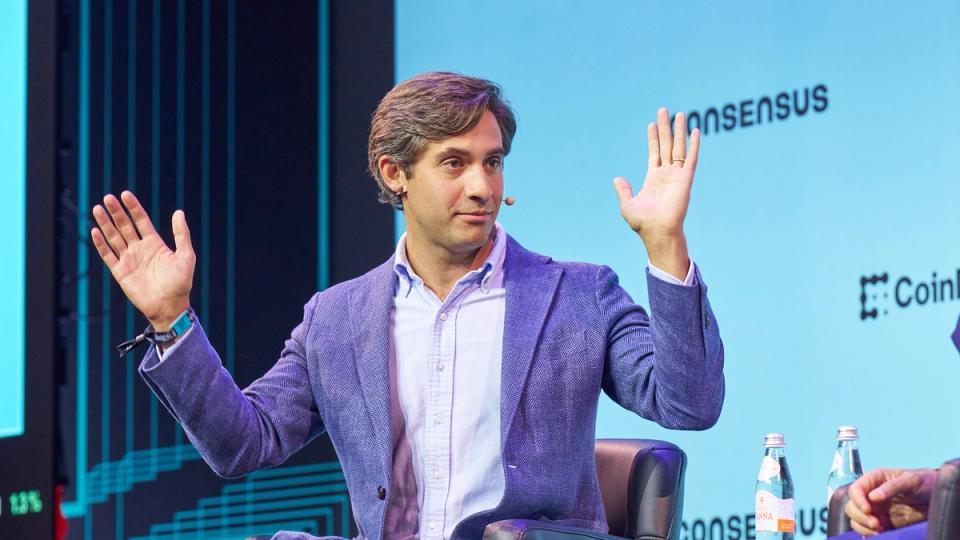
Speaking during a fireside chat at Consensus 2026 in Miami, Dan Romero, Tempo’s head of go-to-market, said the industry is settling into a “dumbbell” shape, with speculative exchanges like Hyperliquid’s market on one side and stablecoin-based payments gaining ground on the other.
“The things that have worked over the last five years are speculation and stablecoins,” he said. “In the middle, it’s a bit of a wasteland,” he added, describing a multitude of projects that have struggled to find product-market fit despite years of development and funding.
Romero speaks from experience. Before joining Tempo, he was a co-founder of crypto social app Farcaster, which struggled to gain traction despite significant venture capital scrutiny and years of hype.
Tempo, a payments-focused blockchain backed by Stripe and Paradigm, is firmly positioned on the payments side of this divide. Built as a purpose-specific Layer 1 blockchain, the network focuses on business needs such as compliance and transaction control – features often missing from public blockchains.
For example, companies can block interactions with certain wallet addresses, a feature aimed at reducing regulatory risk, Romero said.
This design reflects a broader shift in how big companies approach crypto. Rather than experimenting with tokens, many are adopting stablecoins as their backend infrastructure. “It’s plumbing,” the executive said. “But businesses like plumbing if it’s better, faster and cheaper.”
Stablecoins are already gaining traction in areas such as remittances. One example cited is cross-border payments between the United States and Mexico, where crypto rails now represent a growing share of flows.
The next wave could come from Internet-native companies. Startups, especially those built around AI agents, are likely to default to stablecoins as the easiest way to move money globally, he said – much like Stripe simplified online payments more than a decade ago.


