
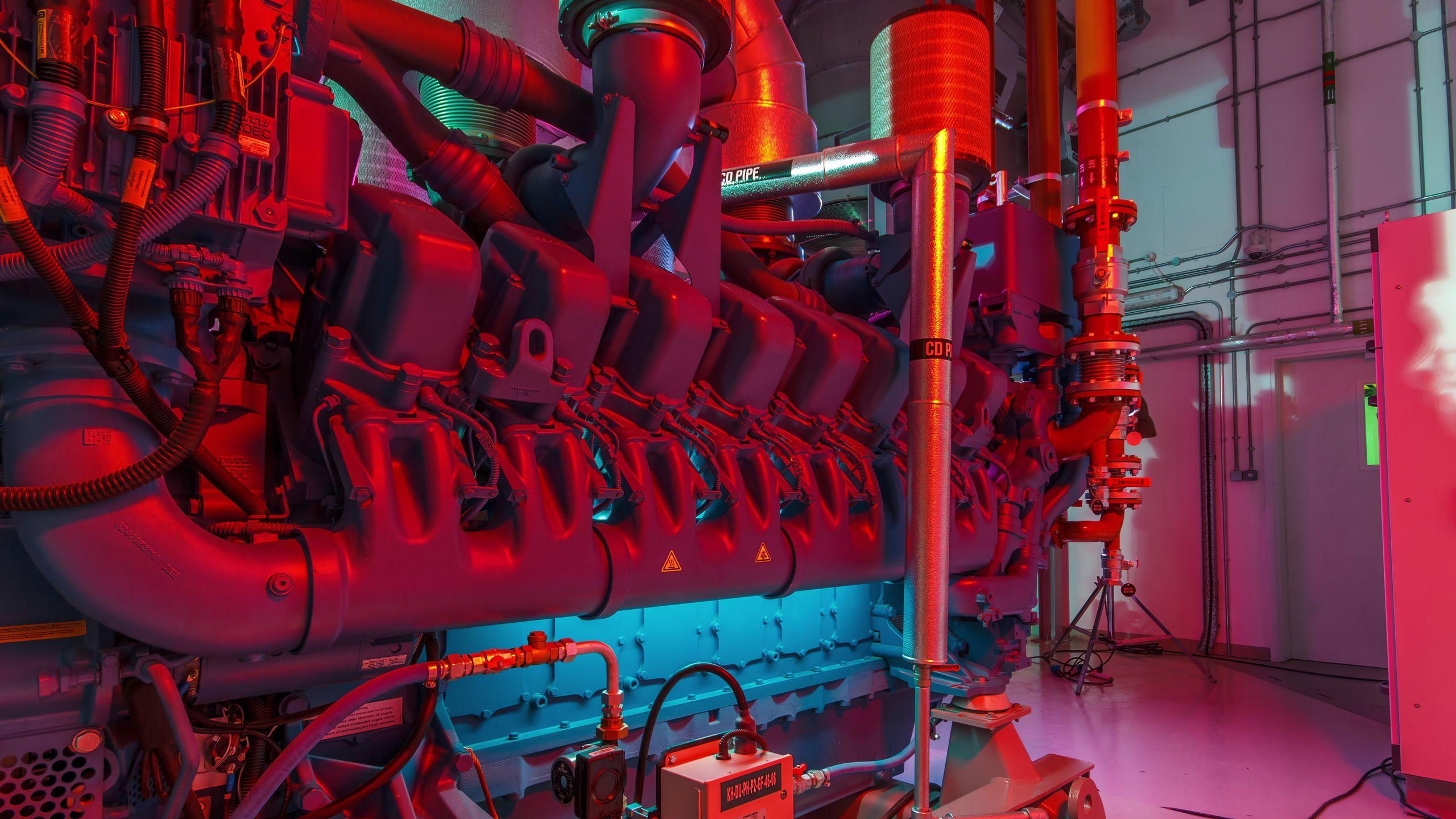
- AI data center cooling systems and generators cause illness
- Noise from data centers is below the threshold of human hearing
- Infrasound can be “felt” and causes dizziness, nausea, anxiety, etc.
In the United States, people living near AI data centers are increasingly reporting illnesses caused by an almost imperceptible buzzing sound.
Infrasound, which in some cases can be “felt” rather than heard, causes symptoms such as headaches, insomnia, nausea and anxiety in people living near multiple data centers.
People living near some data centers have reported noise levels approaching 100 dB, 24 hours a day, seven days a week.

Undetectable hum
Many grassroots groups and local communities have issued calls for bids to stop or stop the construction of data centers citing electricity consumption, pollution and general opposition to AI.
Now, noise pollution problems could soon join the list. According to the Institute for Environmental and Energy Studies (EESI), data centers emit sounds in a range of frequencies, high and low. Low frequencies, especially those below the threshold of human hearing, are particularly difficult to detect without reliable equipment, making noise auditing for local communities particularly difficult.
Residents of Brittany Heights in Chandler, Arizona, were forced to try to block out the constant hum of a data center built in 2014 using noise-cancelling headphones and earplugs, to little effect. Noise pollution was such a problem for local residents that it led to the new data center project being blocked.
🦔Residents living near AI data centers report a constant low-frequency hum measured as infrasound, a sound below the threshold of human hearing that causes dizziness, nausea, vertigo, and sleep disruption. The noise comes from the cooling systems and hyperscalers of the on-site gas turbines… pic.twitter.com/6tqjkrGiJ4May 8, 2026
As AI data centers rely on a large number of GPUs to operate, they generate a huge amount of heat. GPUs require cooling to operate at maximum efficiency, which means huge amounts of energy are used to cool the air. This can represent up to 40% of a data center’s total power consumption.
Many data centers also use backup generators to maintain their electricity supply at 100%. In many cases, these are diesel generators that are turned on during peak hours, when electricity providers need to power other residential and industrial areas. As a result, groups of generators releasing up to 105 dB each are turned on to maintain the flow of energy.
It’s even worse for off-grid data centers. Rather than building expensive infrastructure to connect a data center to existing infrastructure near population centers, some data centers are built in rural areas and powered by natural gas-fired turbines. These turbines generate electricity in the same way that jet engines generate thrust. The sound of these turbines can be heard miles away.
A study published in the US National Library of Medicine tested the effects of infrasound above 100 dB on human tissue. The experiment concluded that infrasound can affect heart function as little as an hour after exposure.
Infrasound has also been cited as a potential cause of “Havana Syndrome” experienced by U.S. and Canadian diplomats and their families working in some locations overseas, who have experienced symptoms similar to those living near data centers.
Via Tom’s material

Follow TechRadar on Google News And add us as your favorite source to get our news, reviews and expert opinions in your feeds.


