
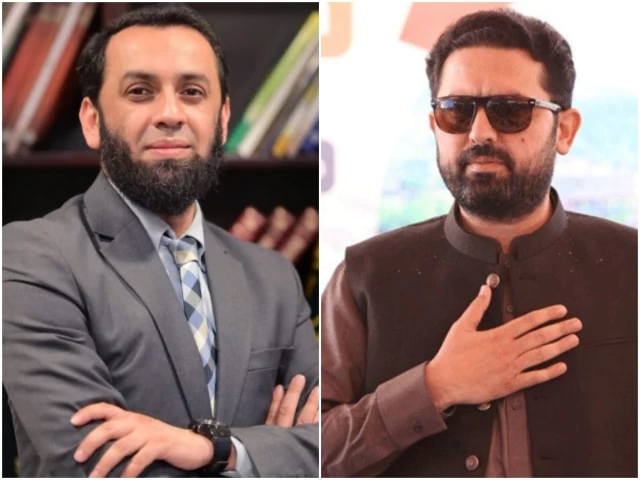
Information Minister Attaullah Tarar on Monday sharply criticized the expansion of the Khyber-Pakhtunkhwa (KP) cabinet, alleging that there was no governance in the province with rampant corruption and financial mismanagement in the administration.
The KP cabinet was expanded last week with the induction of six new ministers, four new advisers and eight special assistants, bringing the total strength of the provincial cabinet to 31 members.
With this expansion, the number of ministers, including Chief Minister Sohail Afridi, increased to 17, while the number of advisors rose to six. This exceeds the constitutional ceiling set in Article 130 of the Constitution, which limits the number of ministers to 15 and advisers to five.
In an article on X today, Tarar said: “Governance does not exist in KP. Corruption and mismanagement are at their peak. Lavish expenditures are made and public money is spent on politics.
He also questioned the expansion of the provincial cabinet, suggesting that the appointment of ministers and advisors was based solely on political loyalty. “Apart from incompetence, there is no other criterion for selecting these ministers and advisors,” he said.
He further criticized the government’s record over the past 12 years. “Provincial affairs have never been this bad,” Tarar added.
خیبر پختونخوا میں گورننس نام کی چیز نہیں۔ کرپشن اور بد عنوانی عروج پر ہیں۔ شاہانہ اخراجات کیے جا رہے ہیں اور سیاست پر عوامی پیسہ خرچ کیا جا رہا ہے۔ This is a bill about the future of your business. کوئی اور معیار نہیں۔ کیا کابینہ کی تعداد بڑھانے…
– Attaullah Tarar (@TararAttaullah) May 18, 2026
The summary of the expansion, approved by Afridi, was forwarded to provincial governor Faisal Karim Kundi on Friday. The governor signed and returned the summary, paving the way for the new members to be sworn in today at the Governor’s House.
The decision came almost seven months after Afridi took office. Following the resignation of former Chief Minister Ali Amin Gandapur in October last year, Afridi was elected as the new Leader of the House.
He initially formed a reduced 14-member cabinet after failing to secure a meeting with the party’s founding president for broader consultations. He had planned to expand the cabinet later, after consultation, but the meeting could not materialize.
The party leadership and pressure from the Provincial Assembly members finally forced the chief minister to opt for expansion.
Differences within the Tehreek-e-Insaf (PTI) emerged soon after the expansion, with several party leaders and lawmakers expressing strong displeasure at being neglected.
Sources said the decision was taken following consultations with the party’s founding chairman, although the meeting with the president did not take place before the announcement.
The announcement sparked an immediate backlash from party members who felt sidelined. Notably, the cabinet largely avoided including non-elected figures; only Muzzammil Aslam would have been an exception.
The cabinet expansion has exposed growing regional and factional fissures within the PTI in KP.


