
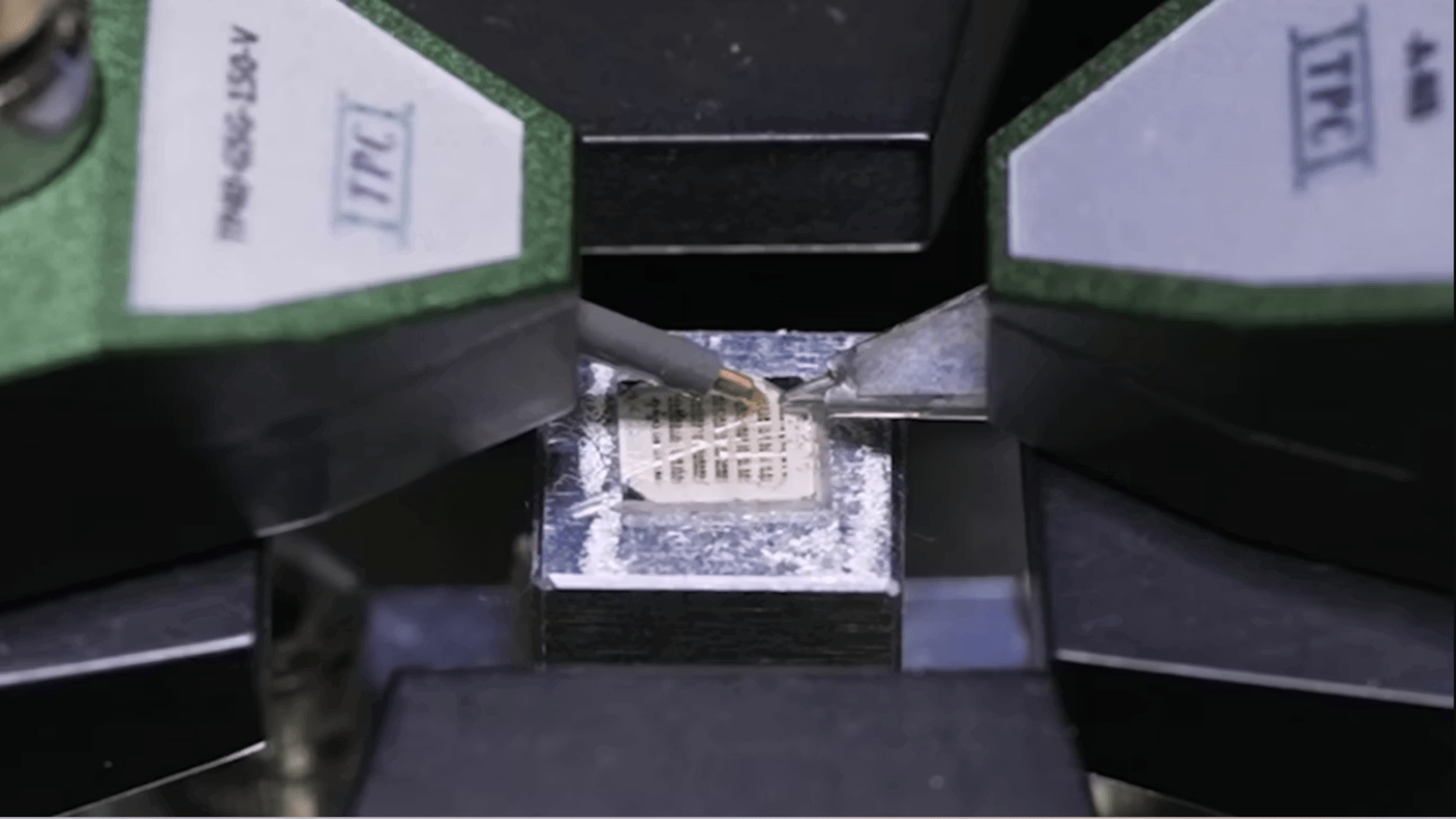
- Quantum switching element delivers ultra-fast processing with minimal heat
- The device stores bits using magnetic electronic properties instead of electricity
- Lab chip achieves processing speed of 40 picoseconds in experiments
A research team from the University of Tokyo has developed a device called a non-volatile quantum switching element that increases the speed of information processing by 1,000 times without generating additional heat.
This component represents bits using the magnetic properties of electrons rather than the flow of electricity itself.
In laboratory experiments, the device processed a bit of information in just 40 picoseconds, a thousandth of the time required by conventional methods.

How does the new technology avoid the heat problem that limits existing chips?
Existing technology takes about a nanosecond to record a single bit before overheating becomes a critical problem.
The new device is made of tantalum and manganese working together to convert electrical signals into magnetic information.
An electrical signal passes through the tantalum layer and the system records this signal in the manganese as the direction of a tiny magnetic force.
This recorded direction represents a single bit without depending on the continuous flow of electrical current.
The element worked stably even after processing information more than 100 billion times in controlled laboratory tests.
The research team found that the performance of these quantum switching elements improves as the components become physically smaller. So, if this technology can be successfully put into practice, it could reduce energy consumption for information processing to just one-hundredth of current levels.
Simply put, a large data center like Google’s, which currently consumes enough electricity to power 80,000 homes, could one day run on the energy of just 800 homes.
Likewise, a MacBook Pro that needs to be charged daily could run for three months on a single charge.
Lab’s success still requires years of engineering work
The device processed information 100 billion times without failure, while conventional chips would have overheated after just 10 million cycles at similar speeds.
Translating this lab breakthrough into a manufacturable chip is a completely different technical challenge.
Researchers have proven that physics works, but physics is not manufacturing, and mass production is not the same as running a single device in a university lab.
Data that currently takes an hour to download could theoretically be processed in just a second, but that theory requires years of engineering work to become a reality.
The prototype chip is planned for 2030, meaning commercial availability will likely come years after that.
Global energy consumption won’t wait patiently for Japanese physicists to finish their prototyping, but this technology offers a real path forward if the engineering challenges can be solved.
The University of Tokyo team has invented something new, but the equally difficult work of manufacturing, financing and distributing the result has only just begun.
For now, this technology is only at the laboratory demonstration stage, which leaves a long and uncertain road ahead.
Via Nikkei (originally in Japanese)

Follow TechRadar on Google News And add us as your favorite source to get our news, reviews and expert opinions in your feeds.


