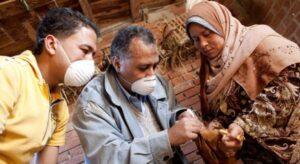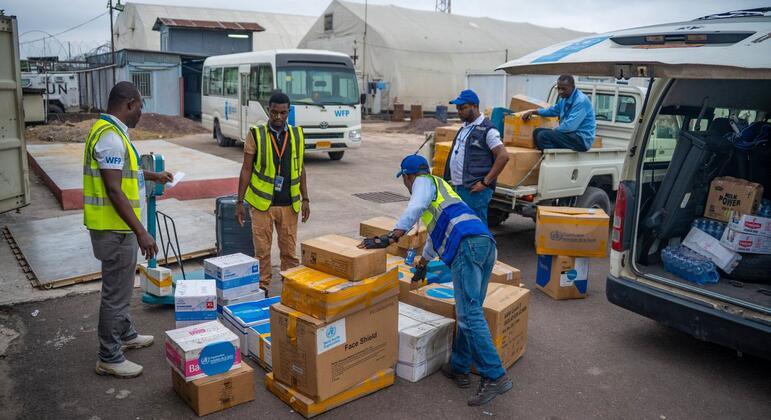
The outbreak of the Bundibugyo strain (BVD) is a major cause of concern in the DRC, where there have been more than 900 suspected cases and approximately 220 suspected deaths.
So far, seven cases have been confirmed in Uganda. The World Health Organization (WHO) says the outbreak, which it has declared a public health emergency of international concern, is spreading faster than health workers can contain it.
The International Civil Aviation Organization (ICAO) will update its guidance as necessary in light of the evolving situation, but for now, he insists that international air services stay safe.
Clear guidelines in place
On Tuesday, the UN agency called on governments and aviation stakeholders to strictly adhere to WHO recommendations to mitigate any Ebola-related risks.
The COVID-19 pandemic has caused massive disruption to air travel, prompting ICAO to establish new protocols for rapid, standardized information sharing between states, airlines, airports and health agencies.
Digital innovations such as electronic health declarations and contactless border processes have been incorporated into ICAO recommendations to more effectively track and manage health risks, and the agency is coordinating with WHO and its member states to take measures to prevent disease transmission through air transport.
These measures also aim to protect the health of aviation personnel and passengers, to reassure travelers and to keep flight cancellations to a minimum.