
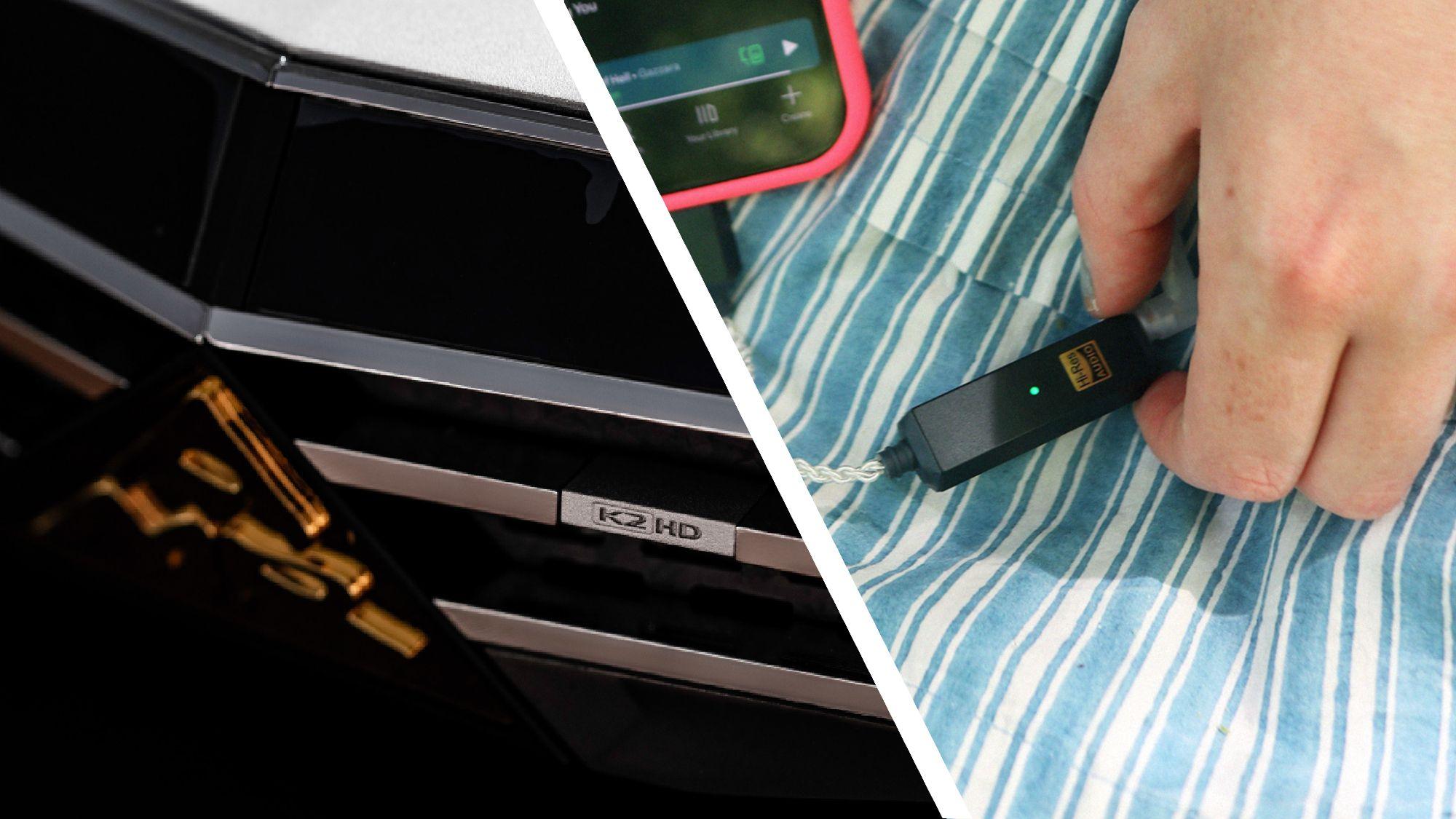
- AMR unveiled its Luna elite DAC engineer, as part of an official relaunch
- Meanwhile, iFi unveils another DAC, this one cheap and portable
- …proving that High End Vienna has something for every budget
At first glance, you’d be forgiven for thinking that a huge show full of audiophile-quality kit would be a little rich for most ordinary people’s blood – especially with a name like ‘High End’.
But this is where Viennese showrooms, filled with hi-fi systems, have, at least in part, sold themselves a little short. Because, as I’ll show you, these aren’t all the audio systems you’d need to sell the car and remortgage the house. No, while such products will certainly be revealed at the party, some hi-res audio upgrades will only cost you $85/£85 (or around AU$120).
But before we get to the budget, let’s go big, shall we? Elite British audio company AMR (Abbingdon Music Research) has revealed its Luna series to mark the brand’s official relaunch at the high end – and the company is calling it “the most ambitious expression of ultra-luxurious British audio design to date”.

AMR says the range was developed over more than seven years, in collaboration with renowned engineer John Curl, and includes the Luna Ingenii DAC, Luna Medii preamplifier and Luna Procellarum monoblock power amplifier, all “created without conventional cost constraints”. Come on!
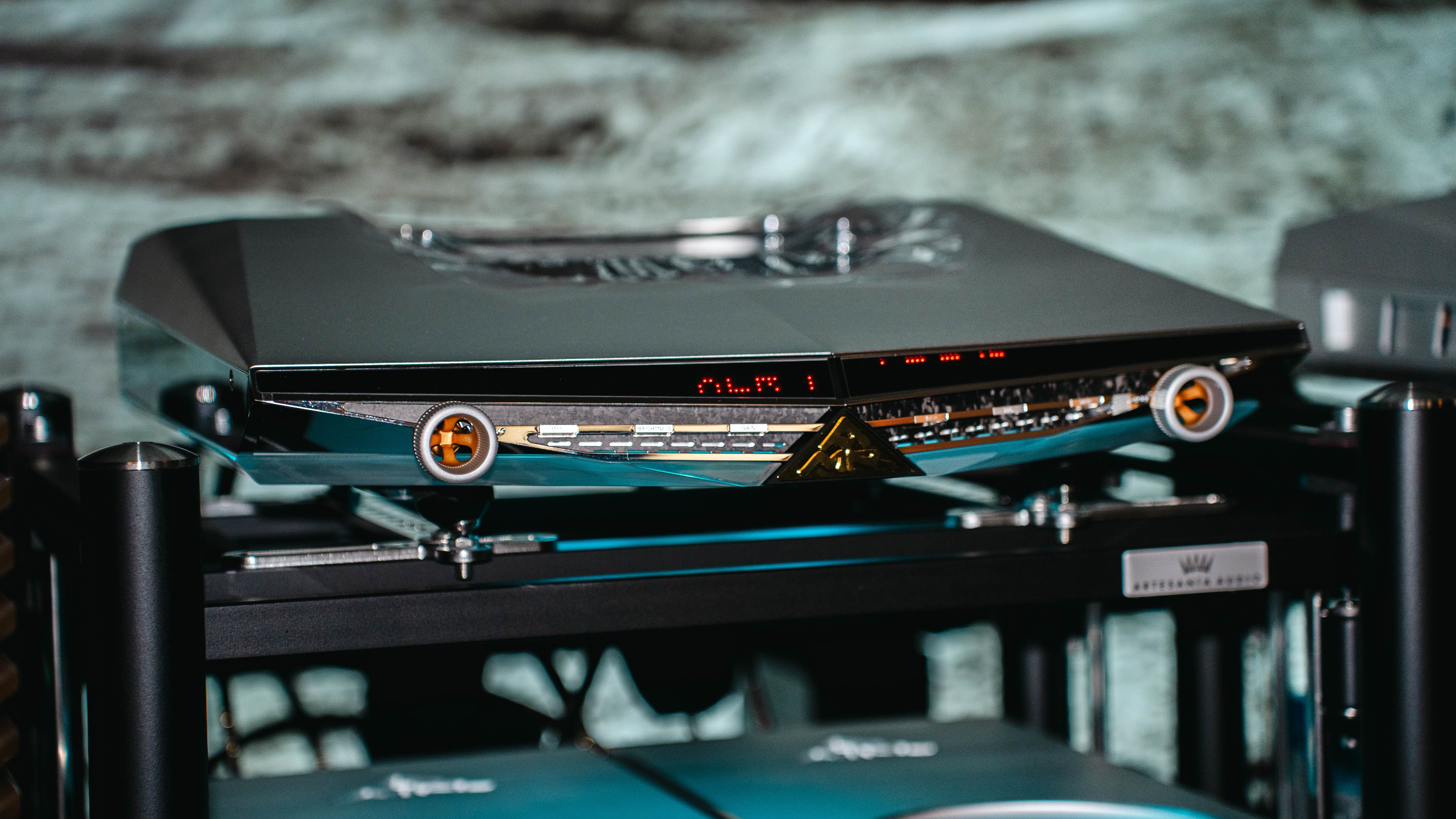
Think ultra-high-end components, meticulous hand assembly, and a multi-bit DAC engine, called AMR Luna Ingenii. Top of the bill for me is its exclusive, discrete 128-stage Direct DSD ‘Stonehenge’ engine. What is this? Well, AMR tells me that standard DSD implementations use a single chip and fewer than 10 components. The Stonehenge Engine uses 32 chips and more than 300 components, in a discrete 128-stage architecture that the company says has “no commercial equivalent.”
You also benefit from AMR’s exclusive “Zero Gravity Harmonic Weighting”, an industry-exclusive benefit that promises the user control over the fine tuning and tonal character of your digital playback.
Apparently, each unit is meticulously hand-assembled, matched and calibrated by superior technicians, with production limited by know-how (rather than manufacturing capacity). And for this reason, only 176 Luna Ingenii DACs are being manufactured, with AMR committing to lifetime service and support for every owner.
Prices are “available on request to prospects, reviewers and industry partners” only, which I think we can all agree means that if we have to ask for it, we can’t afford it. Could it even top the asking fee of the most expensive DAC I’ve heard to date, the $4,499 (before tax) / £4,499 (around AU$8,997) iFi iDSD Phantom? Whisper it, but it seems likely…
And now the pocket option for those who don’t have very deep pockets
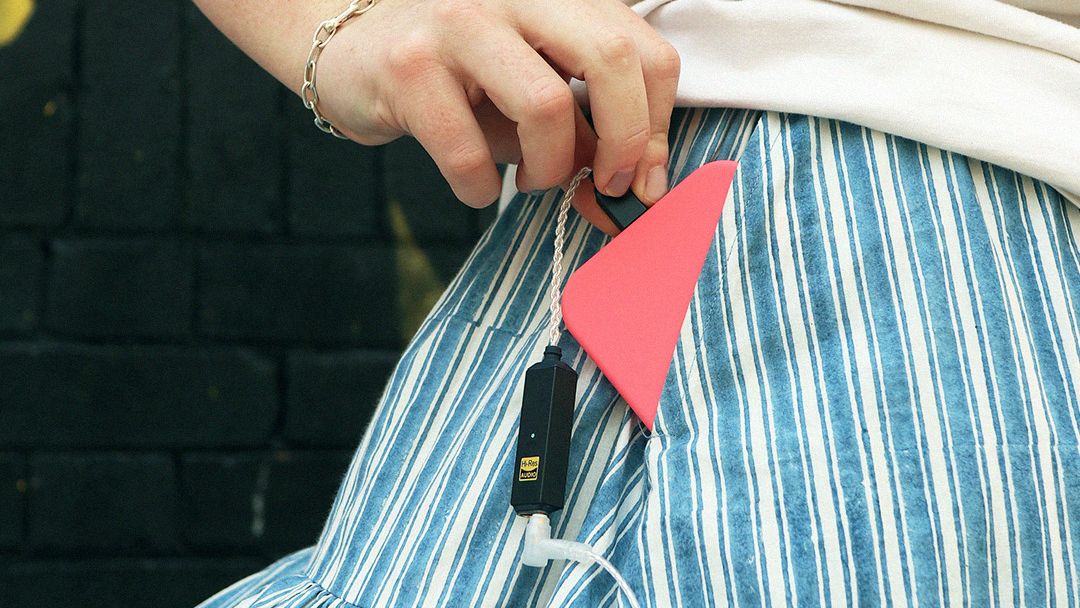
At the other end of the scale, also British audio brand iFi unveiled its iFi Go Link 2 Max DAC at the show. It’s billed as “smaller, sharper and more powerful” than the model it replaces, the five-star Go Link Max (not to be confused with the iFi Go Link 2, which also earned five stars from us in an in-depth review recently).
What has changed? The Go Link 2 Max offers significantly lower distortion than the model it replaces, along with selectable digital filters and over-the-air updates via the iFi Nexis app, all in a smaller, lighter form factor than its previous generation. I own the original Max and love how it enhances my phone’s music, so I’d love to try this one.
And with the best wired headphones boasting vinyl-style feedback (iFi tells me searches for wired headphones are up 88%), I think the Go Link 2 Max could be the relatively affordable upgrade Gen Z might, ahem, choose.
Add to all that its modest price, at just $85/£85 (or around AU$120), the Go Link 2 Max might be my high-end Vienna pick. That said, if anyone wants to buy me the AMR Luna series so I can hear it, I’m all ears. very open to that too.

Follow TechRadar on Google News And add us as your favorite source to get our news, reviews and expert opinions in your feeds.

The best headphone DACs for every budget


