The Democratic Republic of Congo said on Tuesday that confirmed Ebola cases had risen to nearly 600, raising awareness among the local population of the importance of safety measures.
The outbreak of the Bundibugyo strain of the Ebola virus was announced on May 15, although officials have since said it went undetected for weeks, leaving health authorities behind and struggling to bring it under control.
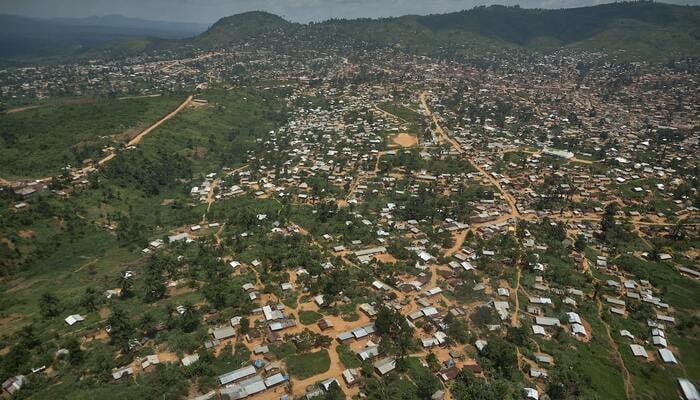
One of the largest Ebola epidemics ever recorded in the world is developing in three provinces long plagued by armed conflict: Ituri, North Kivu and South Kivu.
In its latest statement published on X, the Congolese government said the number of confirmed Ebola cases had risen to 598, including 115 deaths.
It also said 22 patients had recovered from the disease and the new cases had not spread to other health zones.
The cases were recorded in 17 health zones in Ituri as well as in seven health zones in North Kivu and one health zone in South Kivu.
“If you have fever, vomiting, diarrhea or severe weakness, you should go to the nearest health center immediately,” the statement said, calling on people to follow the instructions of health workers and not attack them.
Distrust and resistance have hampered the response, with attacks on burial teams and treatment centers reported.
Doctors are also struggling to obtain basic equipment to stay safe and prevent the spread of the disease, according to more than a dozen doctors, aid workers and public health officials.
The International Rescue Committee on Tuesday called for the funding needed to contain the outbreak in Ituri province before it spreads further.