
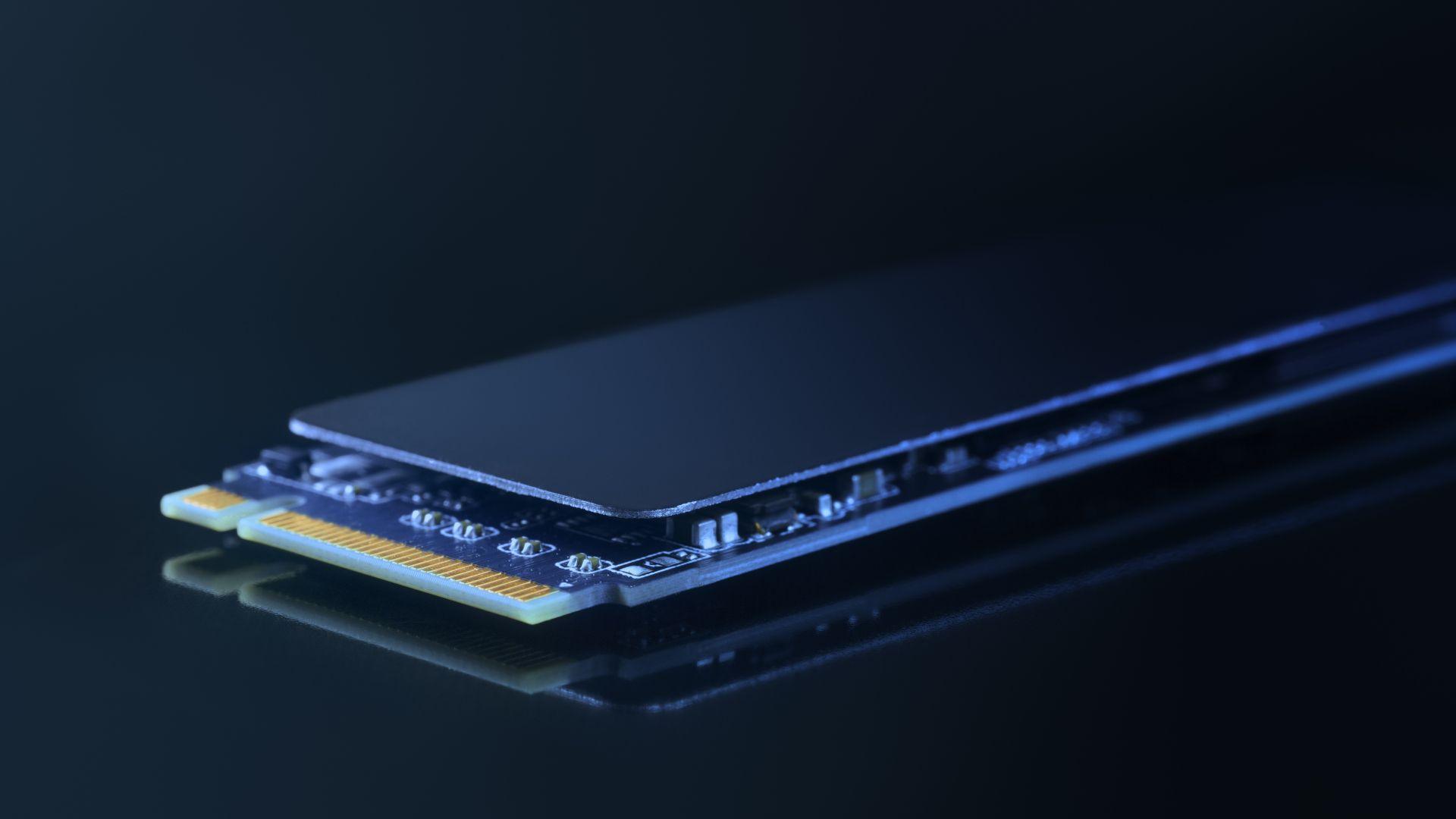
- Nelson Duann, Head of SSD Supply Chain, Said: “The SSD Retail Market Is Almost Extinct”
- DDR5 RAM prices refuse to drop, although older memory modules are dropping, but only very slightly
- System memory remains extremely expensive, and the same goes for many SSDs – and even hard drives are now getting more expensive.
There’s more news on the PC component crisis, in terms of SSDs – and how the retail drive market seems to be disappearing – and the price of RAM too, which is showing signs of slowing down in some respects, the notable problem being that this isn’t the case with DDR5.
Tom’s Hardware interviewed Nelson Duann, vice president of Silicon Motion, a leading force in SSD controller manufacturers, and the executive observed that: “The retail market for SSDs is almost gone.”
Duann explained: “The controllers we sell to module makers now largely end up in SSDs that are shipped to PC makers. The reason is that OEMs cannot obtain enough NAND directly from memory manufacturers, so they are increasingly sourcing SSDs from module manufacturers.

What Duann is saying is that with the current high demand from data centers, the retail market – that is, SSDs in boxes on shelves (virtual or physical) – is shrinking to the point of extinction. The drives are destined for data centers or PC manufacturers, so the choice available to consumers diminishes considerably.
Regarding RAM, Notebookcheck.net highlighted a report from 3D Center that examines component prices in the German retail market for the month of June, including memory and SSDs.
The price of DDR5 RAM sticks remained generally stable compared to June (they increased by 1%, so almost nothing). With DDR4 and DDR3, prices have actually fallen slightly – by just under 7%. With SSDs, prices remained almost stable, with a slight increase of just over 1%.
Analysis: harsh realities
In the German market, memory prices appear to have remained relatively stable over the past few months. Or, to look at it another way, system memory has remained exorbitantly priced throughout this year, still at a level 400% more expensive than before the RAM crisis began.
SSD prices have also remained stable in recent months, the difference being that they increased in the first quarter of 2026, while the price of RAM actually fell (from a high of 440%, believe it or not).
As always, keep in mind that this is the German market – and only a statistical source – but it’s at least not bad news as some people are predicting that RAM could get even more expensive as this year progresses. This could still happen, of course, but it doesn’t seem to be the case yet.
Based on Silicon Motion’s Duann’s comments, mind you, we could expect SSD prices to start rising again. If a prominent supply chain executive is talking about the SSD retail market “disappearing,” that must be a concern. It’s worth noting that hard drive prices are also increasing now, based on 3D Center stats: they’re 58% more expensive than they were a year ago, up from 34% last month (and an increase of just 14% at the start of 2026).
For now, we will continue to monitor these prices and accept the reality that there is little we can do about the situation – other than refuse to pay massively inflated markups. There is of course a line in which consumers will do just that (for the most part), which should theoretically maintain a strict cap on RAM and SSD price increases.
In the meantime, considering all of this, if you can find a good deal on storage during next week’s Prime Day sales, it might be worth jumping on it (especially in the case of larger SSDs or external hard drives).

Follow TechRadar on Google News And add us as your favorite source to get our news, reviews and expert opinions in your feeds.
The best laptops for every budget


